Natural bodybuilders across the UK are increasingly turning to plant-based protein powders for muscle recovery, and for good reason. Modern vegan proteins now rival whey in amino acid profiles while offering additional benefits like better digestibility and environmental sustainability. The key lies in choosing the right formulation for your specific recovery needs.
Why Vegan Protein Matters for UK Natural Bodybuilders
Vegan protein powders offer distinct advantages for natural bodybuilders who prioritise clean nutrition and sustainable training practices. Unlike synthetic alternatives, plant-based proteins provide additional phytonutrients, fibre, and antioxidants that support overall recovery beyond just muscle protein synthesis.
For UK bodybuilders specifically, vegan proteins address common concerns about ingredient transparency and quality standards. British supplement regulations ensure higher quality control, while many UK-made vegan proteins avoid artificial additives that can interfere with natural hormone production.
The digestibility factor cannot be overstated. Many natural bodybuilders experience less bloating and digestive discomfort with plant proteins compared to dairy-based alternatives, allowing for more consistent supplement timing around training sessions.

The Science Behind Vegan Protein and Muscle Recovery
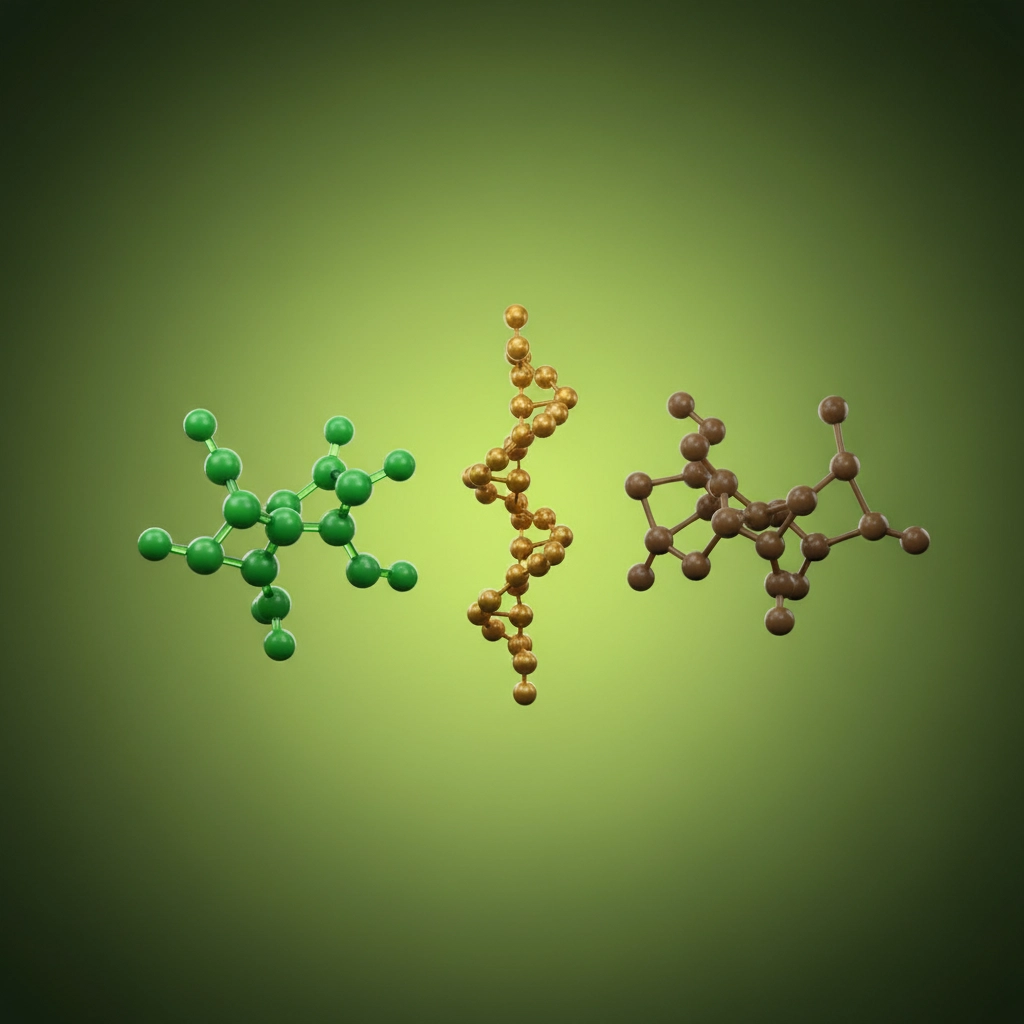
Amino acid profiles determine protein quality for muscle recovery. Complete proteins contain all nine essential amino acids your body cannot produce independently. While individual plant proteins may lack certain amino acids, modern vegan protein blends strategically combine sources to achieve complete profiles.
Pea protein provides high levels of branched-chain amino acids (BCAAs), particularly leucine, which triggers muscle protein synthesis. Research shows pea protein stimulates muscle growth as effectively as whey when consumed in adequate amounts.
Rice protein offers excellent digestibility and complements pea protein's amino acid profile. Together, they create a complete protein comparable to animal sources.
Hemp protein delivers omega-3 fatty acids alongside protein, supporting anti-inflammatory recovery processes. Its unique gamma-linolenic acid content may help reduce exercise-induced inflammation.
Soy protein remains controversial but provides one of the most complete plant-based amino acid profiles available. Modern processing methods have addressed previous concerns about phytoestrogens affecting natural hormone levels.
Absorption rates vary between plant proteins, but strategic timing and combination can optimise uptake. Unlike whey's rapid absorption, most plant proteins provide sustained amino acid release over 2-4 hours, potentially benefiting longer recovery periods.
Key Shopping Criteria for UK Natural Bodybuilders
Third-Party Testing ensures your protein contains what the label claims without banned substances. Look for certifications from Informed Sport or similar UK-recognised testing bodies.
UK Manufacturing Standards guarantee compliance with British supplement regulations. Products manufactured in UK facilities must meet stricter quality controls than imports.
Organic Certification indicates minimal pesticide exposure and sustainable farming practices. While not essential for muscle building, it aligns with natural bodybuilding philosophies.
Digestive Enzymes in the formula can improve protein absorption, particularly important for higher daily protein requirements.
Taste and Mixability affect long-term compliance. Poor-tasting proteins get abandoned, regardless of their nutritional profile.
Eco-Friendly Packaging reflects brand values while reducing environmental impact. Many UK companies now offer recyclable or biodegradable packaging options.
Top Vegan Protein Options for UK Recovery
Innermost The Fit Protein leads the market with 31g protein per serving and all nine essential amino acids. Its recovery-focused formula includes magnesium, Rhodiola root, and coconut water extract for comprehensive post-workout support. At £30 per container, it represents premium quality with proven results.
Indi Recover Protein Powder specifically targets recovery with 20g protein from pea and chickpea sources. The 134-calorie serving includes natural stevia sweetening without artificial additives. Available through Amazon (£27.60) or directly from INDI (£29), it offers excellent value for recovery-focused nutrition.
Vega Sport Premium Protein caters to serious athletes with enhanced texture and taste profiles. Its athlete-focused formulation prioritises post-workout nutrition and sustained muscle recovery support.
Free Soul Vegan Protein Blend provides 20g protein per 30g serving with hemp protein and 11 essential vitamins and minerals. Despite being marketed toward women, its comprehensive nutrient profile benefits all natural bodybuilders seeking well-rounded recovery support.
For budget-conscious options, MyVegan Plant Protein Superblend Caramel delivers 21g protein per 28g serving at just £8.99 for 168g, representing exceptional value per serving.
Optimal Usage and Dosing for Muscle Recovery
Post-Workout Timing: Consume 25-30g protein within 30 minutes of training completion. This window maximises muscle protein synthesis rates during early recovery phases.
Daily Protein Distribution: Spread total protein intake across 4-6 meals, with 20-25g per serving. This approach maintains consistent amino acid availability for ongoing recovery processes.
Pre-Sleep Protocol: Consider 20-25g casein-mimicking plant protein blend before bed. Slow-digesting proteins support overnight muscle repair and reduce morning muscle breakdown.
Training Day vs Rest Day: Maintain consistent protein intake on both training and rest days. Recovery continues 24-48 hours post-exercise, requiring sustained amino acid availability.
Hydration Requirements: Increase water intake when consuming higher protein amounts. Plant proteins often contain more fibre, requiring additional hydration for optimal digestion.
Strategic Supplement Pairing for Enhanced Recovery
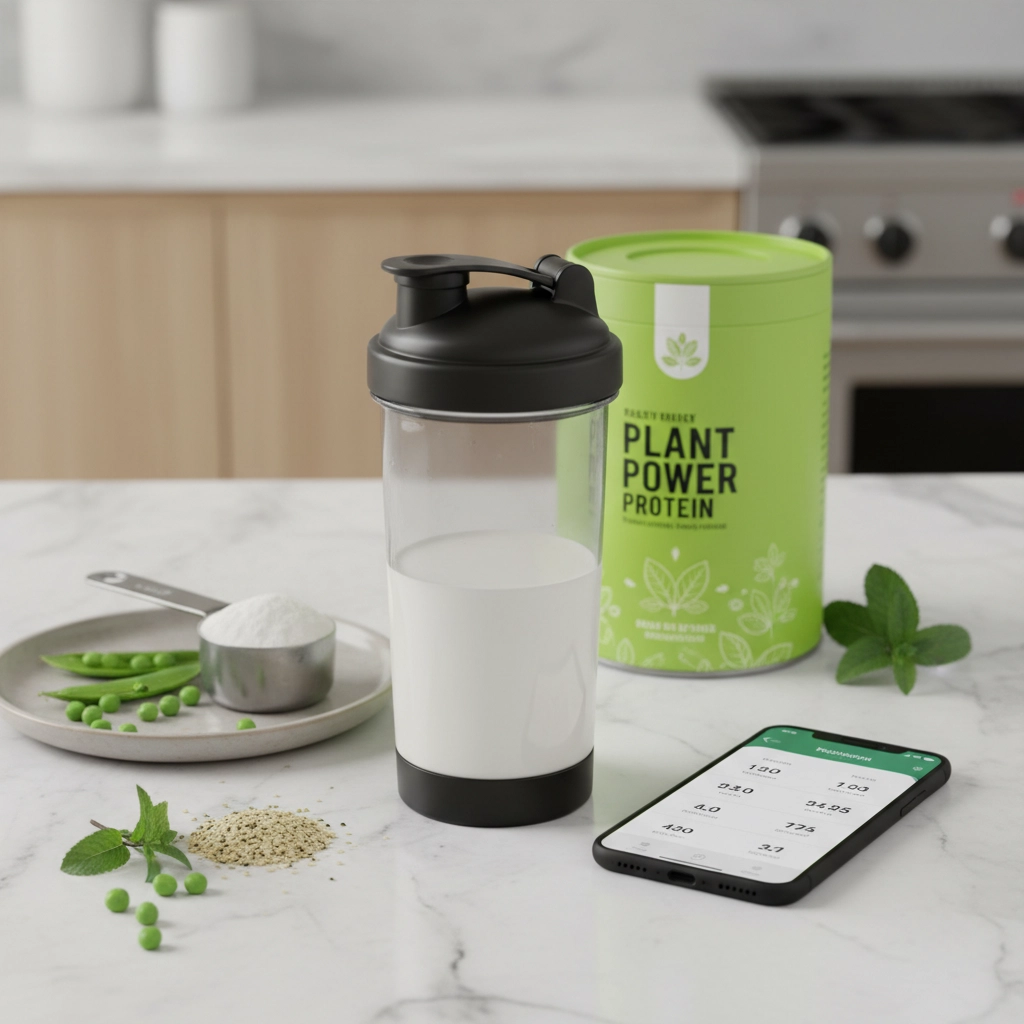
Creatine Monohydrate synergises with plant proteins to improve strength and power output. Take 3-5g daily with your post-workout protein shake for optimal uptake.
Branched-Chain Amino Acids can supplement plant proteins with lower BCAA content. However, complete plant protein blends typically provide adequate BCAAs without additional supplementation.
Digestive Enzymes improve protein absorption, particularly beneficial for higher daily protein requirements common in natural bodybuilding.
Vitamin B12 becomes essential when following plant-based nutrition approaches. Many vegan athletes require B12 supplementation to maintain optimal energy metabolism.
The Fitness Health B-Complex provides comprehensive B-vitamin support that complements plant-based nutrition approaches, ensuring optimal energy metabolism during intense training periods.
Common Vegan Protein Mistakes to Avoid
Underdosing Protein: Many natural bodybuilders underestimate plant protein requirements. Aim for 1.6-2.2g per kilogram bodyweight daily, with higher amounts during cutting phases.
Ignoring Amino Acid Profiles: Single-source plant proteins may lack complete amino acid profiles. Choose blended formulations or rotate between different plant protein sources.
Poor Timing: Consuming all daily protein in 1-2 large servings reduces absorption efficiency. Distribute intake across multiple smaller servings throughout the day.
Neglecting Micronutrients: Plant-based diets may lack certain nutrients essential for recovery. Monitor iron, zinc, and omega-3 fatty acid status regularly.
Choosing Based on Price Alone: Cheapest options often use lower-quality protein sources or inadequate amino acid profiles. Invest in proven formulations for consistent results.
Ignoring Digestibility: Some individuals struggle with certain plant proteins. Experiment with different sources to find optimal digestibility for your system.
Frequently Asked Questions
Can vegan protein build muscle as effectively as whey? Yes, when consumed in adequate amounts with complete amino acid profiles. Research consistently shows comparable muscle protein synthesis rates between high-quality plant and animal proteins.
What's the best time to take vegan protein after workouts? Within 30 minutes post-exercise for optimal muscle protein synthesis. However, total daily protein intake matters more than precise timing for overall muscle development.
How much vegan protein do natural bodybuilders need daily? 1.6-2.2g per kilogram bodyweight, with higher amounts (up to 2.8g/kg) during cutting phases or intensive training periods. Individual needs vary based on training volume, goals, and overall nutrition.
Do I need additional amino acid supplements with vegan protein? Complete plant protein blends typically provide adequate amino acid profiles without additional supplementation. Single-source proteins may benefit from amino acid complementation.
Are there any side effects to consider? Plant proteins generally cause fewer digestive issues than dairy-based alternatives. Some individuals may experience gas or bloating initially as gut bacteria adapt to increased fibre intake.
Building an effective vegan protein strategy requires understanding your individual needs, training demands, and recovery goals. Quality plant-based proteins now offer everything natural bodybuilders need for optimal muscle development and recovery, often with additional health benefits that support long-term training consistency and overall wellness.