Bloating affects nearly everyone at some point, leaving you feeling uncomfortable, sluggish, and frustrated. While social media is flooded with quick fixes and viral "cures," the reality is that effective bloating relief requires understanding what actually works versus what's just trending.
This guide covers evidence-based remedies that genuinely help reduce bloating, alongside an honest look at some of the stranger TikTok trends that have captured millions of views: and whether there's any science behind them.
Science-Backed Remedies That Actually Work
Herbal Teas: Your Digestive System's Best Friend
The most reliable bloating remedies often come from your kitchen. Peppermint and ginger teas work by relaxing stomach muscles, reducing spasms that contribute to that uncomfortable bloated feeling. These aren't just old wives' tales: both have solid research backing their effectiveness.
Chamomile tea functions as a natural anti-inflammatory, helping reduce the swelling sensation that accompanies bloating. Meanwhile, fennel and anise teas are particularly effective because of their carminative properties, which prevent gas buildup in your digestive tract.
The warmth of tea itself also plays a role, helping relax your entire digestive system and supporting natural digestion processes.

Movement: The Simplest Solution
Physical activity stimulates digestion and can provide relatively quick relief from bloating. You don't need an intense workout: light walking for 10-15 minutes after meals can make a significant difference.
For more immediate relief, try specific abdominal stretches. Lie on your back and pull one knee at a time toward your chest, applying gentle pressure to your abdomen. This position aids digestion and helps move trapped gas through your system.
Yoga poses, particularly the wind-relieving pose, are specifically designed to ease digestive discomfort. These aren't just feel-good stretches: they create physical pressure that helps your digestive system function more efficiently.
Smart Eating Strategies
How you eat matters as much as what you eat. Eating slowly and chewing thoroughly reduces the amount of air you swallow, which directly decreases gas buildup. Taking time to properly break down food also reduces strain on your digestive system.
Smaller, more frequent meals put less pressure on your digestive system compared to large meals that can overwhelm your stomach's capacity. This approach leads to less intestinal gas and more comfortable digestion overall.
Proper hydration is crucial: dehydration leads to constipation, which contributes significantly to bloating. Aim for six to eight glasses of water daily, but avoid drinking large amounts with meals as this can dilute digestive enzymes.
Natural Digestive Aids
Papaya contains high levels of essential digestive enzymes that specifically break down proteins. Including fresh papaya in your diet or taking papaya enzyme supplements can significantly improve digestion, especially after protein-rich meals.
Ginger has centuries of use as a digestive aid and has modern research supporting its effectiveness. It reduces inflammation and promotes digestion of heavy meals. Fresh ginger tea or supplements both provide benefits.
Apple cider vinegar: one tablespoon in a glass of water before meals: can stimulate digestive juices and support healthy digestion. Start with smaller amounts to assess tolerance.
For those dealing with specific food sensitivities, targeted enzyme supplements can help. Lactase products help break down lactose in dairy, while Beano assists with digesting complex carbohydrates in beans and gas-producing vegetables.

Heat Therapy
Applying heat to your abdomen through a warm compress, hot water bottle, or heating pad helps relax abdominal muscles and eases the pain that often accompanies bloating. This simple remedy works by increasing blood flow and reducing muscle tension.
The Wild World of TikTok Bloating "Cures"
Social media has produced some truly bizarre bloating remedies, with millions of views and passionate testimonials. Here's what's trending and what science actually says:
The Stomach Vacuum Challenge
This trend involves sucking in your stomach as far as possible and holding the position. While it might temporarily create the appearance of a flatter stomach, it doesn't address the underlying causes of bloating and can actually be counterproductive by creating additional tension in your abdominal muscles.
Icing Your Stomach
Some TikTokers claim that applying ice to the abdomen reduces bloating by "shocking" the digestive system. There's no scientific evidence supporting this approach, and cold temperatures can actually slow digestion and make bloating worse by reducing blood flow to digestive organs.

The Lemon Water Salt Flush
This involves drinking large amounts of salted lemon water to "flush out" bloating. While staying hydrated helps prevent constipation-related bloating, excessive salt can actually cause water retention and worsen bloating. Lemon water alone, without excessive salt, can be beneficial for digestion.
Jumping Jacks for Gas Release
The theory here is that vigorous movement helps release trapped gas. While movement does help digestion, gentle walking or yoga is more effective than high-impact exercises, which can actually cause more air swallowing and digestive disruption.
The Pineapple Core Trend
TikTokers eat pineapple cores claiming they contain special enzymes that eliminate bloating. Pineapple does contain bromelain, an enzyme that aids protein digestion, but eating the tough core isn't necessary: the flesh contains these enzymes too, and it's much easier to digest.
What Actually Doesn't Help (Despite the Hype)
Carbonated "Digestive" Drinks
Despite claims that certain carbonated beverages aid digestion, carbonation introduces more gas into your system, which typically increases rather than reduces bloating. Stick to flat beverages when you're already feeling bloated.
Extreme Food Restrictions
While certain foods can trigger bloating in sensitive individuals, completely eliminating entire food groups without professional guidance often leads to nutritional deficiencies and can worsen digestive issues long-term.
Over-the-Counter Gas Pills Without Understanding
While products containing simethicone (like Gas-X) work for some people, they haven't been scientifically proven effective for everyone. Understanding your specific triggers is more important than relying on general solutions.
Supporting Your Digestive Health Long-Term
Consider Quality Probiotics
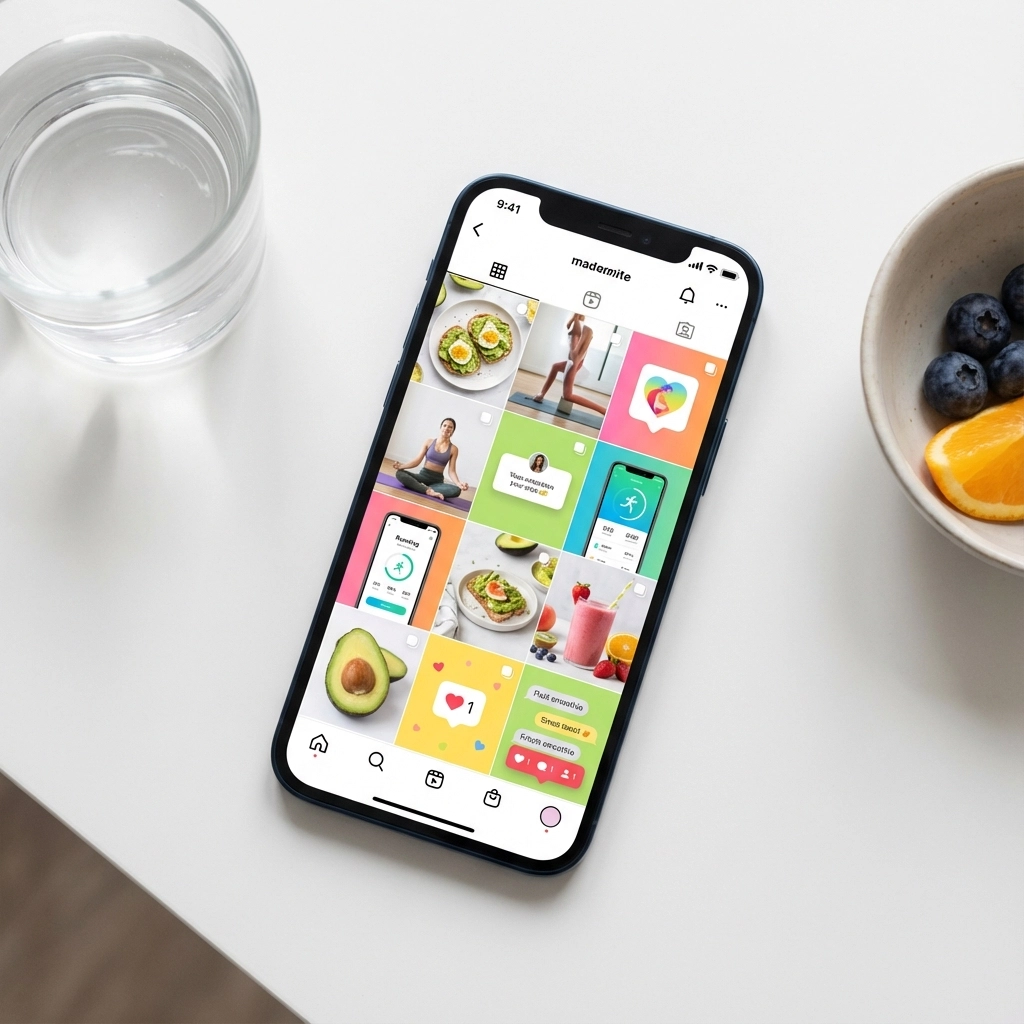
A healthy gut microbiome plays a crucial role in preventing bloating. High-quality probiotic supplements can help establish beneficial bacteria that support proper digestion and reduce gas production.
Fiber Introduction Strategy
If you're increasing fiber intake, do it gradually. Research shows you're 40% more likely to experience bloating if you rapidly increase both fiber and protein intake compared to a more balanced approach.
Identify Your Personal Triggers
Keep a food diary to identify specific foods that consistently cause bloating for you. Common culprits include certain vegetables (like broccoli and cabbage), dairy products, and high-FODMAP foods, but individual responses vary significantly.
When to Seek Professional Help
While occasional bloating is normal, persistent bloating that interferes with daily life warrants professional evaluation. See a healthcare provider if you experience:
- Bloating that lasts more than a few days
- Severe abdominal pain with bloating
- Changes in bowel habits alongside persistent bloating
- Unexplained weight loss with digestive symptoms
- Bloating that worsens over time despite dietary changes
The Bottom Line
Effective bloating relief comes from understanding your digestive system and using evidence-based approaches rather than chasing viral trends. Simple strategies like herbal teas, gentle movement, proper hydration, and mindful eating provide reliable results without risks.
While TikTok remedies might seem appealing for their simplicity or novelty, most lack scientific support and some can actually worsen symptoms. The most effective approach combines proven natural remedies with attention to your individual triggers and eating habits.
For comprehensive digestive support, explore our nutrition resources for additional evidence-based guidance on maintaining optimal digestive health. Remember, sustainable relief comes from consistent healthy practices rather than quick fixes that promise immediate results.