Winter brings unique challenges to digestive health. Cold weather, dietary changes, and reduced physical activity create the perfect storm for IBS flare-ups and persistent bloating. Your gut microbiome becomes more vulnerable during these months, making targeted supplementation and natural relief methods essential for maintaining digestive wellness.
Why IBS Symptoms Worsen in Winter
The colder months trigger several factors that disrupt normal digestion. Reduced sunlight exposure decreases vitamin D levels, which directly impacts gut health and immune function. Holiday comfort foods high in refined sugars and processed ingredients feed harmful bacteria while starving beneficial microbes.
Winter stress compounds these issues. Seasonal changes affect cortisol production, which influences gut motility and intestinal permeability. When you're less active due to weather constraints, digestion slows down, leading to increased bloating and IBS symptoms.
Your body's natural inflammatory response also shifts during winter. The combination of dietary changes, stress, and reduced physical activity creates an environment where digestive issues thrive.

Natural Methods for IBS Relief
Probiotics: Your First Line of Defense
Probiotics remain the most researched natural approach for IBS management. These beneficial bacteria restore balance to your gut microbiome, which becomes disrupted during winter months. Look for multi-strain formulations containing at least 10-15 billion CFUs.
Specific strains show particular promise for IBS relief:
- Bifidobacterium infantis 35624: Reduces overall IBS symptoms
- Lactobacillus plantarum 299v: Decreases bloating and gas
- Saccharomyces boulardii: Supports digestive balance during stress
Natural probiotic sources include kefir, sauerkraut, kimchi, and kombucha. These fermented foods provide live cultures while offering additional nutrients that support digestive health.
Prebiotic Power for Gut Balance
Prebiotics feed beneficial bacteria, helping them flourish and crowd out harmful microbes. During winter, when your diet may lack diversity, prebiotic supplements become particularly valuable.
Key prebiotic sources include:
- Inulin from chicory root
- Fructooligosaccharides (FOS)
- Galactooligosaccharides (GOS)
- Resistant starch
Our Fibre Pro Capsules combine multiple prebiotic sources with gentle fiber to support digestive regularity without causing additional bloating.
Low-FODMAP Strategies for Winter
The low-FODMAP approach helps identify and eliminate foods that trigger IBS symptoms. During winter, this becomes more challenging with holiday foods and comfort eating patterns.
High-FODMAP winter foods to limit:
- Wheat-based comfort foods
- Beans and lentils in hearty stews
- Apples and pears in seasonal desserts
- Garlic and onions in savory dishes
Low-FODMAP winter alternatives:
- Rice-based dishes instead of wheat pasta
- Carrots, parsnips, and potatoes as vegetable bases
- Oranges and grapes for vitamin C
- Chives and green onion tops for flavor

Herbal Remedies for Digestive Comfort
Peppermint: Nature's Antispasmodic
Peppermint oil capsules provide targeted relief for IBS cramping and bloating. The menthol content relaxes intestinal smooth muscle, reducing spasms that cause discomfort. Enteric-coated capsules deliver peppermint oil directly to the intestines, avoiding potential heartburn.
Research supports 0.2-0.4ml of peppermint oil taken 30-60 minutes before meals for optimal results.
Ginger: Warming Digestive Aid
Fresh ginger stimulates digestion while providing warming properties perfect for winter wellness. This root increases gastric motility, helping food move through your system more efficiently and reducing bloating.
Try ginger tea between meals, crystallized ginger as a snack, or ginger capsules providing standardized amounts of active compounds.
Chamomile: Gentle Soothing Support
Chamomile offers anti-inflammatory properties that calm digestive irritation. This gentle herb works particularly well for stress-related IBS symptoms common during winter months.
German chamomile contains higher levels of active compounds compared to Roman chamomile. Brew strong tea or look for standardized extracts providing consistent potency.

Stress Reduction for IBS Management
Mindful Eating Practices
Winter schedules often disrupt normal eating patterns, contributing to IBS flare-ups. Mindful eating helps restore proper digestion by activating your parasympathetic nervous system.
Key mindful eating techniques:
- Eat without distractions (no phones, TV, or work)
- Chew each bite 20-30 times
- Take deep breaths between bites
- Stop eating when 80% full
Breathing Exercises for Gut Health
Simple breathing techniques directly impact digestion through the vagus nerve connection. Practice diaphragmatic breathing for 5-10 minutes before meals to optimize digestive function.
Basic technique:
- Place one hand on chest, one on belly
- Breathe slowly through nose, expanding belly
- Exhale through mouth, contracting belly
- Repeat 10-15 cycles
Supplement Combinations for Maximum Relief
Essential Daily Stack
Morning:
- Multi-strain probiotic (10-50 billion CFUs)
- Vitamin D3 (2000-4000 IU during winter months)
- Digestive enzyme complex with meals
Evening:
- Prebiotic fiber supplement
- Magnesium glycinate (200-400mg) for stress and regularity
- Chamomile tea or extract
Targeted Flare-Up Support
For acute bloating:
- Simethicone 40-80mg
- Peppermint oil capsules
- Activated charcoal (away from other supplements)
For cramping:
- Magnesium glycinate extra dose
- Warm ginger tea
- Heat therapy on abdomen

Lifestyle Planning for Winter IBS Management
Creating Your Winter Meal Plan
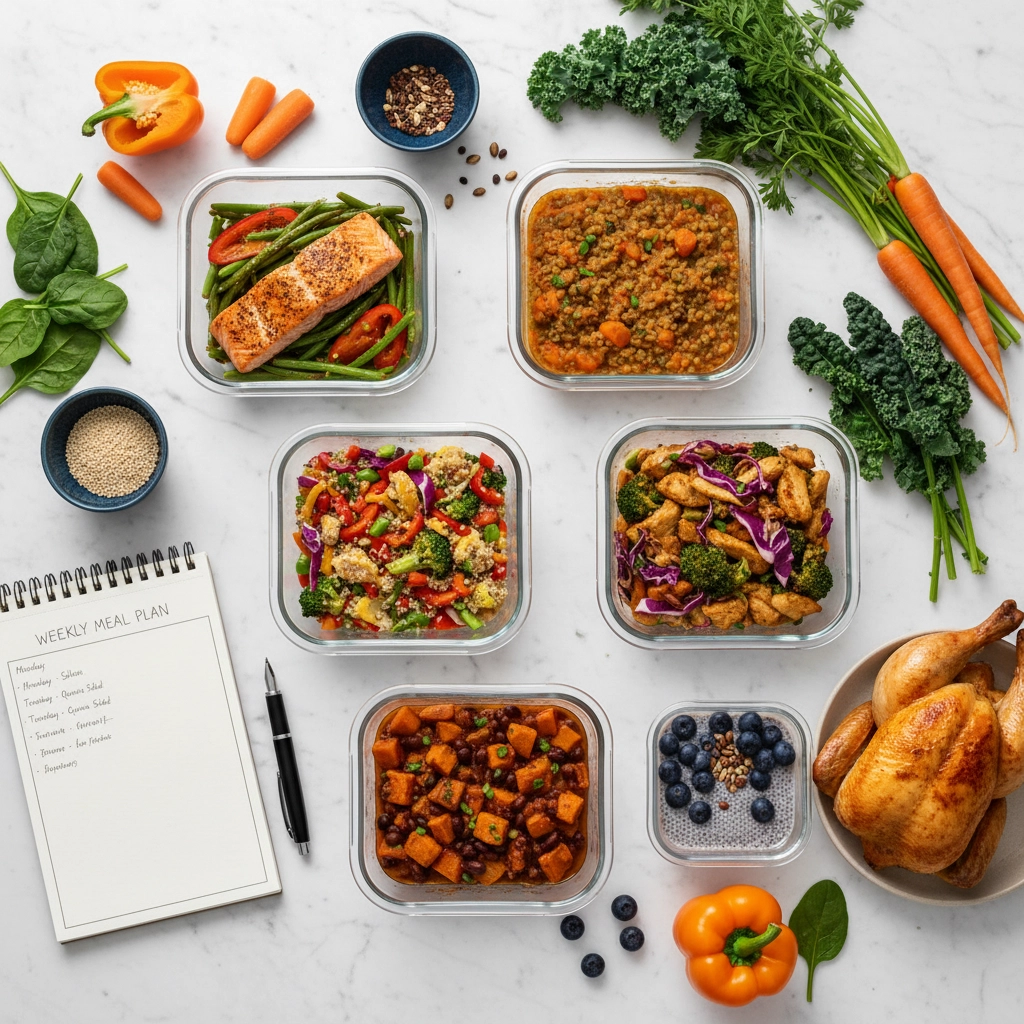
Structure meals around IBS-friendly foods while maintaining seasonal enjoyment. Batch-cook low-FODMAP soups and stews on weekends. Prepare emergency snack kits with safe options for travel or work.
Sample daily structure:
- Breakfast: Oatmeal with lactose-free milk, blueberries, walnuts
- Lunch: Rice bowl with grilled chicken, carrots, spinach
- Dinner: Salmon with roasted potatoes and green beans
- Snacks: Rice cakes with almond butter, orange slices
Food and Symptom Tracking
Keep a winter-specific food diary noting not just what you eat, but also stress levels, sleep quality, and weather changes. Many IBS sufferers notice patterns related to barometric pressure and seasonal light changes.
Use smartphone apps or simple notebooks to track:
- Meal timing and content
- Symptom severity (1-10 scale)
- Stress levels
- Sleep quality
- Supplement timing
Product Recommendations for Winter Digestive Health
Eco-Friendly Options
Choose supplements with minimal packaging and sustainable sourcing. Glass bottles with metal lids offer better protection for probiotics while reducing plastic waste. Look for brands using renewable energy in manufacturing.
Budget-Conscious Choices
Prioritize the most impactful supplements first: probiotics, digestive enzymes, and vitamin D. Generic brands often provide equivalent benefits at lower costs. Buy in bulk during sales to reduce per-dose expenses.
Cost-effective priorities:
- Multi-strain probiotic
- Digestive enzyme complex
- Vitamin D3
- Magnesium supplement
- Peppermint oil capsules
Frequently Asked Questions
Q: How quickly do natural IBS remedies work? A: Probiotics typically show benefits within 2-4 weeks of consistent use. Herbal remedies like peppermint oil may provide relief within hours to days. Dietary changes often produce noticeable improvements within 1-2 weeks.
Q: Can I combine multiple herbal remedies safely? A: Most digestive herbs work well together, but start with single ingredients to identify what works best for you. Ginger, chamomile, and peppermint generally combine safely. Always consult healthcare providers if taking medications.
Q: Do probiotics work better with food or on an empty stomach? A: This depends on the specific strain and formulation. Enteric-coated probiotics can be taken anytime, while standard capsules often survive better with food. Check manufacturer recommendations for optimal timing.
Q: How do I know if my symptoms require medical attention? A: Seek medical evaluation for severe abdominal pain, blood in stool, unexplained weight loss, or symptoms that interfere significantly with daily activities. Natural approaches complement but don't replace proper medical care.
Q: Are there specific vitamins that help with winter IBS symptoms? A: Vitamin D supports immune and gut health, while B-complex vitamins help with stress response. Vitamin C provides antioxidant support. Focus on whole-food sources when possible, supplementing as needed.
Supporting Your Winter Digestive Wellness Journey
Natural IBS relief combines targeted supplementation with lifestyle modifications for comprehensive results. Start with foundational support through probiotics and dietary adjustments, then add specific remedies based on your primary symptoms.
Remember that consistency matters more than perfection. Small, sustainable changes to your winter routine often produce better long-term results than dramatic overhauls. Work with healthcare providers familiar with integrative approaches to develop your personalized digestive wellness plan.
Focus on creating a supportive environment for your digestive system during winter's challenges. With the right combination of natural methods, quality supplements, and mindful lifestyle choices, you can maintain gut health and minimize IBS symptoms throughout the colder months.