Across British fitness centres and walking trails, a growing number of people are strapping on weighted backpacks and heading out for what might look like an ordinary walk. This is rucking: a military-inspired fitness trend that's transforming how people approach cardiovascular exercise and functional strength training.
Rucking involves walking or hiking whilst carrying a weighted backpack, typically ranging from 10-30 pounds. What started as standard military training has evolved into one of the most accessible yet effective workout methods available, attracting everyone from office workers seeking low-impact exercise to serious athletes looking for functional fitness alternatives.
From Military Necessity to Mainstream Fitness Movement
The concept of load-bearing marches has been fundamental to military training for centuries. British forces, like their international counterparts, have long recognised that soldiers must be capable of moving efficiently whilst carrying essential gear over various terrains. This practical necessity developed into structured training programmes designed to build both physical resilience and mental fortitude.
The transition to civilian fitness began in the early 2000s, accelerated by military veterans seeking to maintain their fitness levels post-service. The appeal was immediate: rucking required minimal equipment, could be performed anywhere, and delivered measurable results without the joint stress associated with running or the complexity of gym-based programmes.

Today's rucking movement has gained momentum through social media, with fitness influencers and health experts promoting its benefits for functional strength and cardiovascular health. The accessibility factor cannot be overstated: participants need only a sturdy backpack and weight, making it one of the most barrier-free fitness activities available.
Comprehensive Health and Fitness Benefits
Cardiovascular Improvements
Rucking delivers significant cardiovascular benefits whilst remaining in a moderate intensity zone. Research indicates that carrying additional weight whilst walking can increase heart rate by 10-15 beats per minute compared to unweighted walking, providing an effective aerobic stimulus without the high-impact stress of running.
The sustained nature of rucking sessions: typically lasting 30-60 minutes: promotes improvements in aerobic capacity and endurance. Unlike interval training, which alternates between high and low intensities, rucking maintains a steady-state effort that builds aerobic base fitness effectively.
Functional Strength Development
Unlike isolated gym exercises, rucking engages multiple muscle groups simultaneously in movement patterns that translate directly to daily activities. The weighted backpack challenges the posterior chain: glutes, hamstrings, and lower back: whilst engaging core stabilizers throughout the movement.
The postural demands of carrying weight properly strengthen the upper back, shoulders, and neck muscles, counteracting the forward head posture common in desk-based workers. This functional approach to strength building offers practical benefits that extend beyond the exercise itself.
Bone Density Enhancement
Weight-bearing exercise is crucial for maintaining bone density, particularly as people age. Rucking provides mechanical loading through both the impact of walking and the additional weight carried, stimulating bone formation. This makes rucking particularly valuable for individuals at risk of osteoporosis or those seeking to maintain bone health throughout their lives.
Studies suggest that progressive loading exercises like rucking may be more effective for bone health than non-weight-bearing activities such as cycling or swimming, making it an excellent choice for long-term skeletal health.
Rucking Versus Traditional Exercise Methods
Comparison with Running
Whilst running burns more calories per minute, rucking offers several advantages that make it preferable for many individuals. The reduced impact stress makes rucking suitable for those with joint concerns or previous injuries. Additionally, the lower intensity allows for longer duration sessions, potentially resulting in comparable total calorie expenditure.
Rucking also develops strength components that running lacks. The weighted resistance challenges muscles throughout the body, providing a more comprehensive workout than traditional cardiovascular exercise alone.
Comparison with Weight Training
Traditional resistance training excels at building maximum strength and muscle mass through progressive overload with specific exercises. However, rucking offers functional integration that isolated exercises cannot match. The combination of cardiovascular challenge and resistance work makes rucking an efficient option for those seeking comprehensive fitness benefits from a single activity.
For individuals following a structured nutrition programme, rucking provides an excellent complement to weight training, adding cardiovascular fitness and functional movement patterns.
Comparison with Other Cardio Methods
Compared to cycling, swimming, or rowing, rucking requires minimal equipment and can be performed virtually anywhere. The upright, load-bearing nature more closely mimics daily movement patterns than seated or supported exercises. This specificity makes rucking particularly valuable for improving real-world functional capacity.
Safe Progression and Injury Prevention
Starting Weight Guidelines
Beginners should start with 10-15% of their body weight in the backpack. For a 70kg individual, this translates to approximately 7-10kg initially. This conservative approach allows the body to adapt to the new movement pattern and loading demands gradually.
The weight should be distributed evenly within the backpack, positioned close to the back to maintain proper centre of gravity. Poorly distributed weight can lead to postural compensations and increased injury risk.
Distance and Frequency Progression
Initial sessions should focus on duration rather than speed or distance. Starting with 20-30 minute sessions allows the body to adapt to the sustained loading. Distance can increase by no more than 10% per week to prevent overuse injuries.
Frequency should begin at 2-3 sessions per week, allowing adequate recovery between sessions. As adaptation occurs, frequency can increase, but daily rucking is generally unnecessary and may increase injury risk.

Common Injury Prevention Strategies
Proper footwear selection is crucial. Trail running shoes or hiking boots provide better support and traction than standard trainers. The additional weight increases forces through the feet and ankles, making appropriate footwear essential for injury prevention.
Attention to backpack fit prevents neck and shoulder strain. The pack should sit snugly against the back without excessive movement during walking. Loose-fitting packs create instability and increase injury risk through compensatory movement patterns.
The Commercialisation of Tactical Fitness
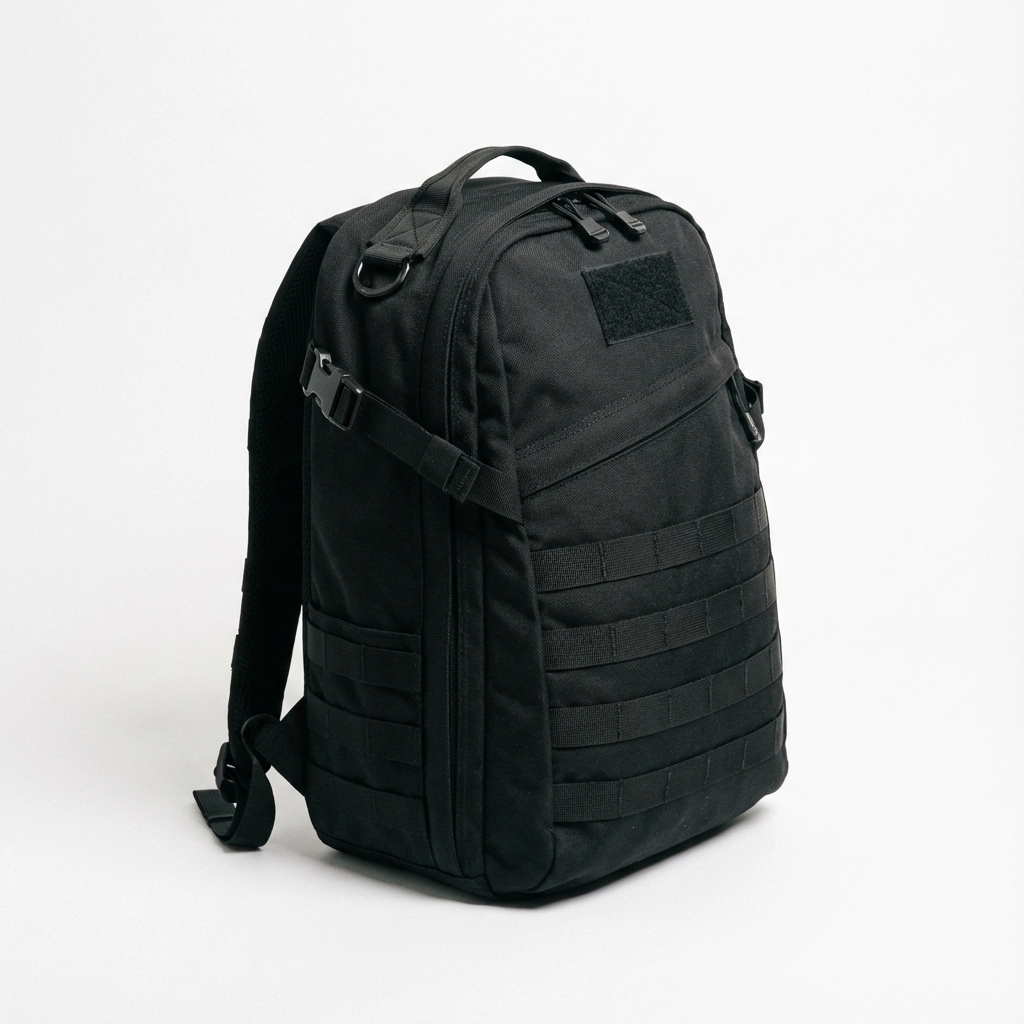
GORUCK has emerged as the leading brand in commercial rucking, transforming military-style training into organised events and challenges. Founded by former Special Forces member Jason McCarthy, GORUCK has created a community around tactical fitness that extends well beyond simple weighted walks.
The company's events: ranging from light 4-hour challenges to extreme 48-hour ordeals: have introduced thousands to rucking whilst building a premium brand around military heritage. GORUCK rucksacks, whilst expensive, are designed to military specifications and have become status symbols within the tactical fitness community.
This commercialisation has benefits and drawbacks. Positive aspects include increased awareness, community building, and equipment innovation. However, the marketing can create unrealistic expectations or intimidate newcomers who assume expensive gear is necessary for participation.

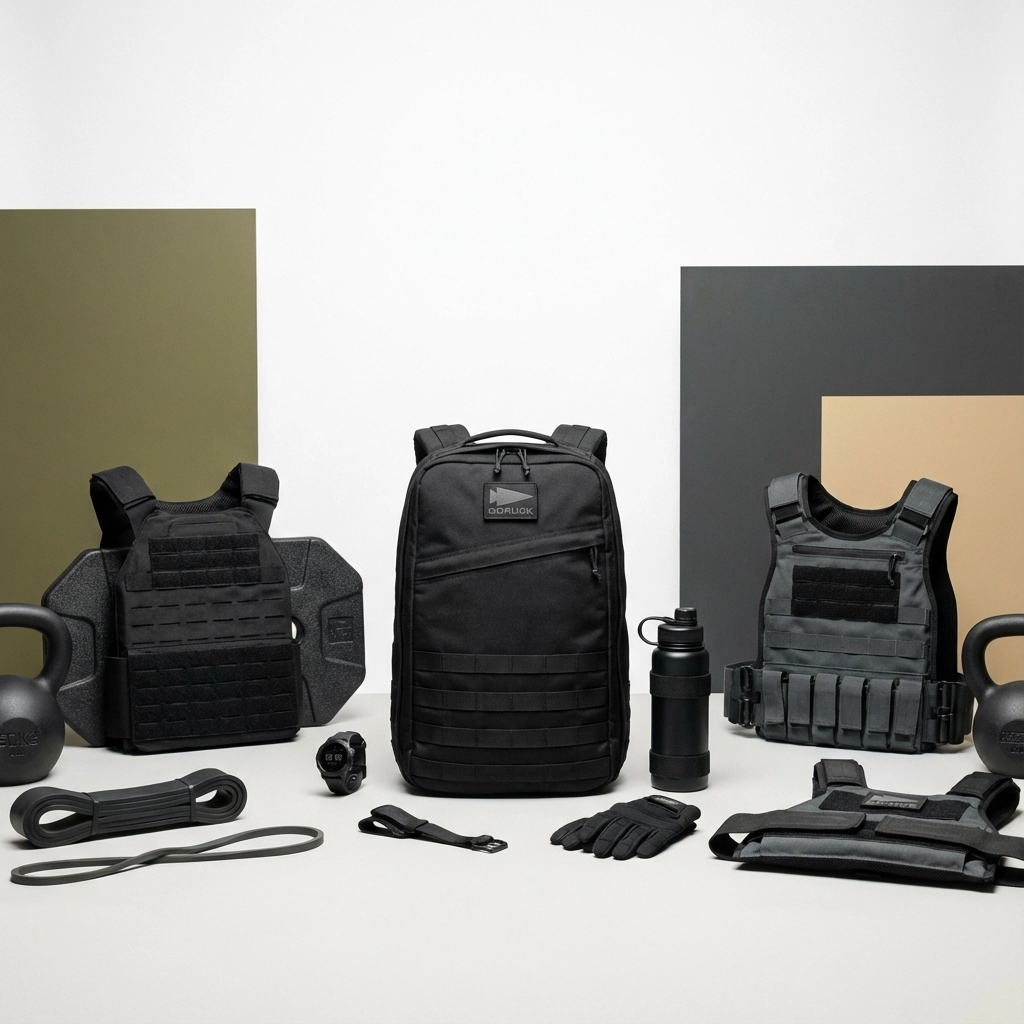
Other companies have followed GORUCK's lead, creating everything from specialised rucking weights to GPS tracking devices designed specifically for load-carrying activities. This market expansion provides more options for participants but can also create confusion about equipment necessity.
Who Benefits Versus Who's Following a Trend
Ideal Candidates for Rucking
Rucking particularly benefits individuals seeking low-impact cardiovascular exercise combined with functional strength development. Those with running-related injuries often find rucking allows them to maintain fitness whilst recovering. The lower intensity also suits older adults or those returning to exercise after a break.
People with limited time for exercise appreciate rucking's efficiency. A single session addresses cardiovascular fitness, functional strength, and mental well-being, making it ideal for busy professionals seeking maximum benefit from minimal time investment.
Those who enjoy outdoor activities find rucking more engaging than indoor cardio alternatives. The ability to vary routes and terrain maintains interest whilst providing different training stimuli.
Trend Followers Who May Not Benefit
Individuals seeking maximum muscle mass or strength gains may find rucking insufficient as a primary training method. Whilst rucking builds functional strength, it cannot provide the progressive overload necessary for significant hypertrophy or strength development.
Competitive athletes in sports requiring high power output or speed may find rucking too slow and steady to provide sport-specific benefits. The moderate intensity doesn't address the high-end fitness components required for performance athletics.
Those expecting rapid aesthetic changes may be disappointed. Rucking's benefits develop gradually and focus more on functional capacity than dramatic physique changes.
Integrating Rucking into a Broader Fitness Strategy
Rucking works best as part of a comprehensive fitness approach rather than as a standalone activity. When combined with resistance training for strength development and higher-intensity cardio for anaerobic capacity, rucking fills the crucial middle ground of steady-state, functional fitness.
For optimal results, rucking sessions can complement nutritional strategies focused on supporting recovery and adaptation. The moderate intensity makes rucking suitable for both fed and fasted states, providing flexibility in timing around meals and other activities.
The scalability of rucking makes it suitable for long-term participation. As fitness improves, participants can increase weight, distance, speed, or terrain difficulty to maintain progressive challenge. This adaptability helps prevent plateaus and maintains engagement over time.
Success with rucking, like any fitness endeavour, depends on consistent participation and gradual progression. The simplicity that makes rucking accessible can also make it easy to underestimate: proper attention to form, progression, and recovery remains essential for optimal outcomes.
The military origins of rucking provide proven effectiveness, but civilian applications must account for different goals and constraints. By understanding both the benefits and limitations of this training method, individuals can make informed decisions about incorporating rucking into their fitness routines.