You've crushed your workout. You've downed your protein shake. You're doing everything right: or so you think.
Here's the thing: protein gets all the glory when it comes to muscle recovery, but it's only part of the equation. Without certain micronutrients working behind the scenes, your body can't efficiently use that protein to repair damaged muscle tissue and get you back in the gym faster.
Think of it like building a house. Protein is your bricks, but without the right tools and workers (micronutrients), those bricks just sit there. Your recovery stalls, soreness lingers, and your next session suffers.
Let's break down the three micronutrients that actually speed up healing after a tough workout: and how to make sure you're getting enough of them.
Why Protein Alone Falls Short
Protein provides the amino acids your muscles need to rebuild. That part is true and well-documented. But here's what most people miss: your body requires specific vitamins and minerals to actually process and synthesise that protein into new muscle tissue.
Without adequate micronutrients:
- Protein synthesis slows down significantly
- Muscle contractions remain impaired
- Oxidative stress from exercise goes unchecked
- Inflammation persists longer than necessary
- Hormone production for recovery gets disrupted
The result? You stay sore longer, recover slower, and plateau faster. Not exactly the progress you're after.
Micronutrient #1: Magnesium – The Recovery Regulator
Magnesium is arguably the most underrated mineral for anyone who trains regularly. It's involved in over 300 enzymatic reactions in your body, and many of them directly impact how well you recover.
What Magnesium Does for Recovery
Regulates muscle contraction and relaxation. After intense exercise, your muscles need to properly relax to begin the repair process. Magnesium enables this by counteracting calcium, which causes contraction. Low magnesium = cramping, spasms, and prolonged tightness.
Supports protein synthesis. Without sufficient magnesium, your body can't efficiently convert dietary protein into muscle tissue. Research shows that adequate magnesium levels significantly reduce muscle soreness and boost perceived post-training recovery.
Gets lost through sweat. This is critical for anyone doing high-intensity or endurance training. You're actively depleting magnesium every session, making replacement essential rather than optional.
How Much You Need
Active individuals typically require 400–420 mg daily for men and 310–320 mg daily for women. Athletes and heavy trainers may benefit from the higher end of this range.
Best Food Sources
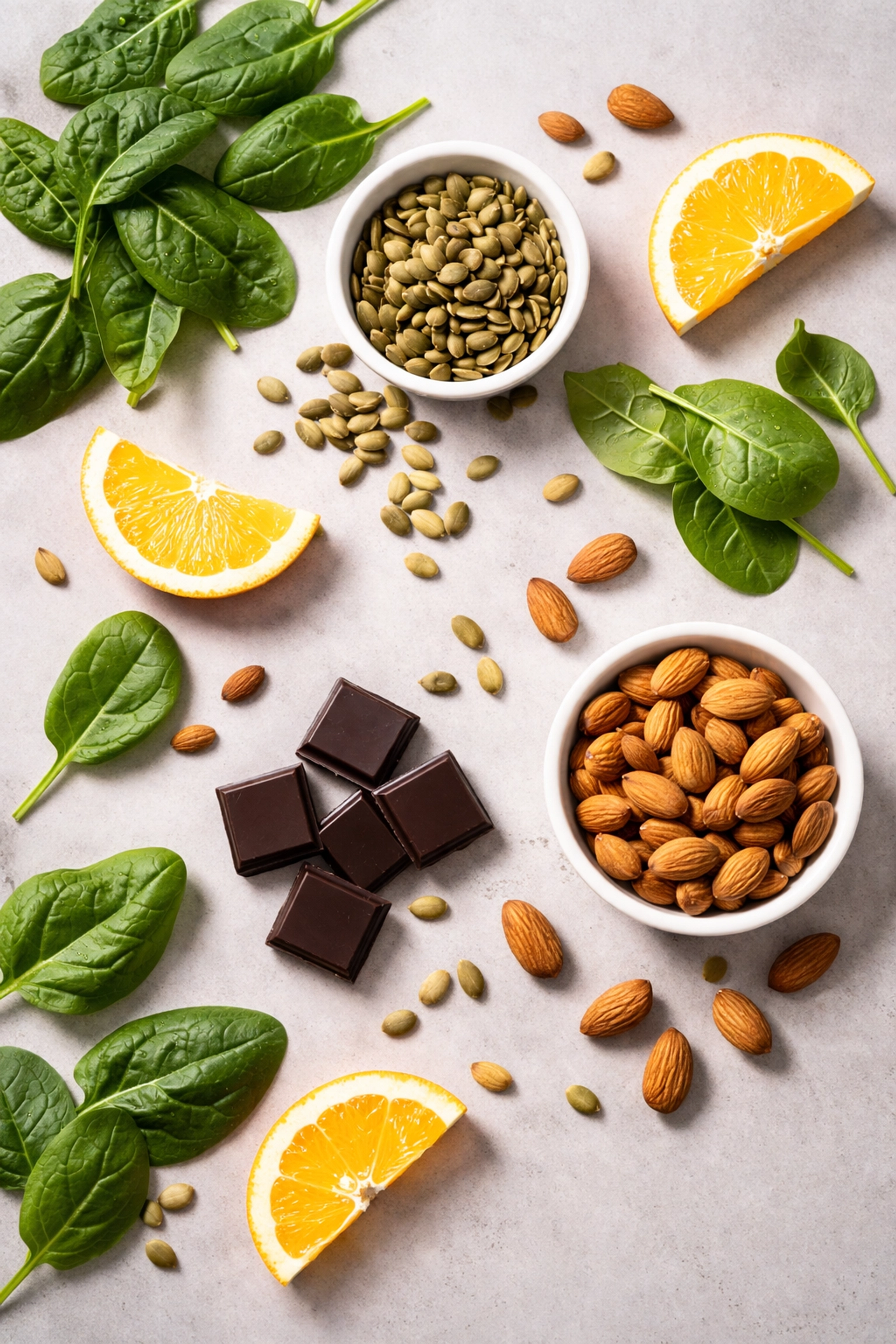
- Pumpkin seeds: 156 mg per ounce
- Spinach: 157 mg per cooked cup
- Dark chocolate (70%+): 64 mg per ounce
- Almonds: 80 mg per ounce
- Black beans: 120 mg per cooked cup
Supplementation Considerations
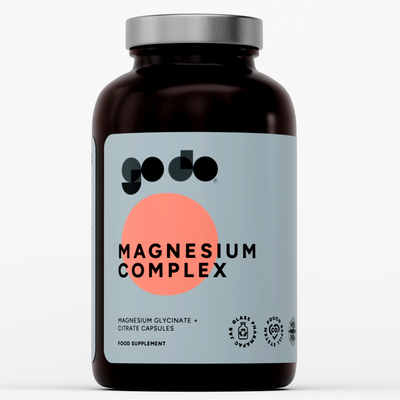
If you're training hard and sweating heavily, food sources alone may not cut it. Magnesium citrate and magnesium glycinate are the most bioavailable forms for supplementation. Our UK-made magnesium supplements at Fitness Health use high-quality formulations designed specifically for absorption.
Micronutrient #2: Vitamin C – The Tissue Repair Specialist
You probably associate vitamin C with fighting colds, but its role in exercise recovery is far more significant than most realise.

What Vitamin C Does for Recovery
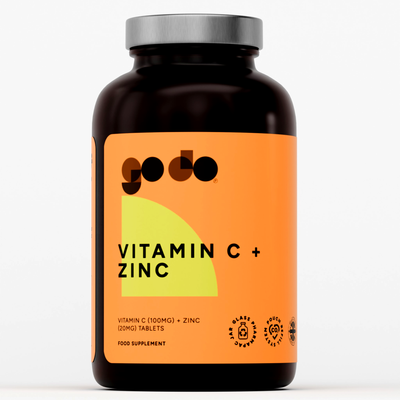
Repairs connective tissue. Vitamin C is essential for collagen synthesis: the protein that forms the structural foundation of tendons, ligaments, and muscle tissue. Every time you train, you create micro-tears that require collagen to heal.
Combats oxidative stress. Intense exercise generates free radicals that damage cells and prolong inflammation. Vitamin C acts as a powerful antioxidant, neutralising these free radicals and allowing your body to focus on repair rather than damage control.
Works synergistically with vitamin E. When combined, these two vitamins provide enhanced protection against exercise-induced cellular damage. They essentially tag-team the recovery process.
How Much You Need
While the general RDA sits around 65–90 mg, athletes may require significantly more: between 200–1,000 mg daily for optimal recovery support. The higher end applies to those doing intense, frequent training.
Best Food Sources
- Red bell peppers: 190 mg per cup (raw)
- Oranges: 70 mg per medium fruit
- Kiwi: 64 mg per fruit
- Broccoli: 81 mg per cooked cup
- Strawberries: 89 mg per cup
Timing Matters
Consume vitamin C-rich foods both before and after workouts. Pre-workout vitamin C helps prepare your antioxidant defences, while post-workout intake supports the immediate repair process.
Micronutrient #3: Zinc – The Muscle Repair Catalyst
Zinc often gets overlooked in favour of flashier supplements, but it's absolutely fundamental to how quickly your muscles bounce back.
What Zinc Does for Recovery
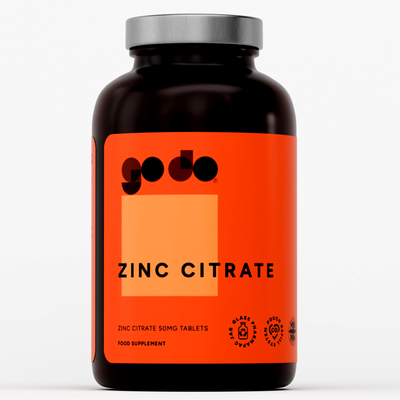
Directly boosts muscle repair. Zinc is required for cell division and protein synthesis: the core processes that rebuild damaged muscle fibres. Without it, recovery literally cannot proceed at optimal speed.
Supports hormone production. Testosterone and growth hormone both play crucial roles in muscle recovery and adaptation. Zinc deficiency is directly linked to reduced levels of both.
Enhances enzyme function. Many of the enzymes involved in energy metabolism and tissue repair require zinc as a cofactor. Think of it as the ignition key for your recovery machinery.
The Magnesium-Zinc Combination
Here's where it gets interesting: when you pair zinc with magnesium post-workout, you get a compounding effect on protein synthesis and overnight muscle repair. This combination has become a staple in recovery protocols for good reason.
How Much You Need
Men need approximately 11 mg daily, while women require around 8 mg. Athletes may benefit from slightly higher intakes, though excessive zinc can interfere with copper absorption: balance matters.
Best Food Sources
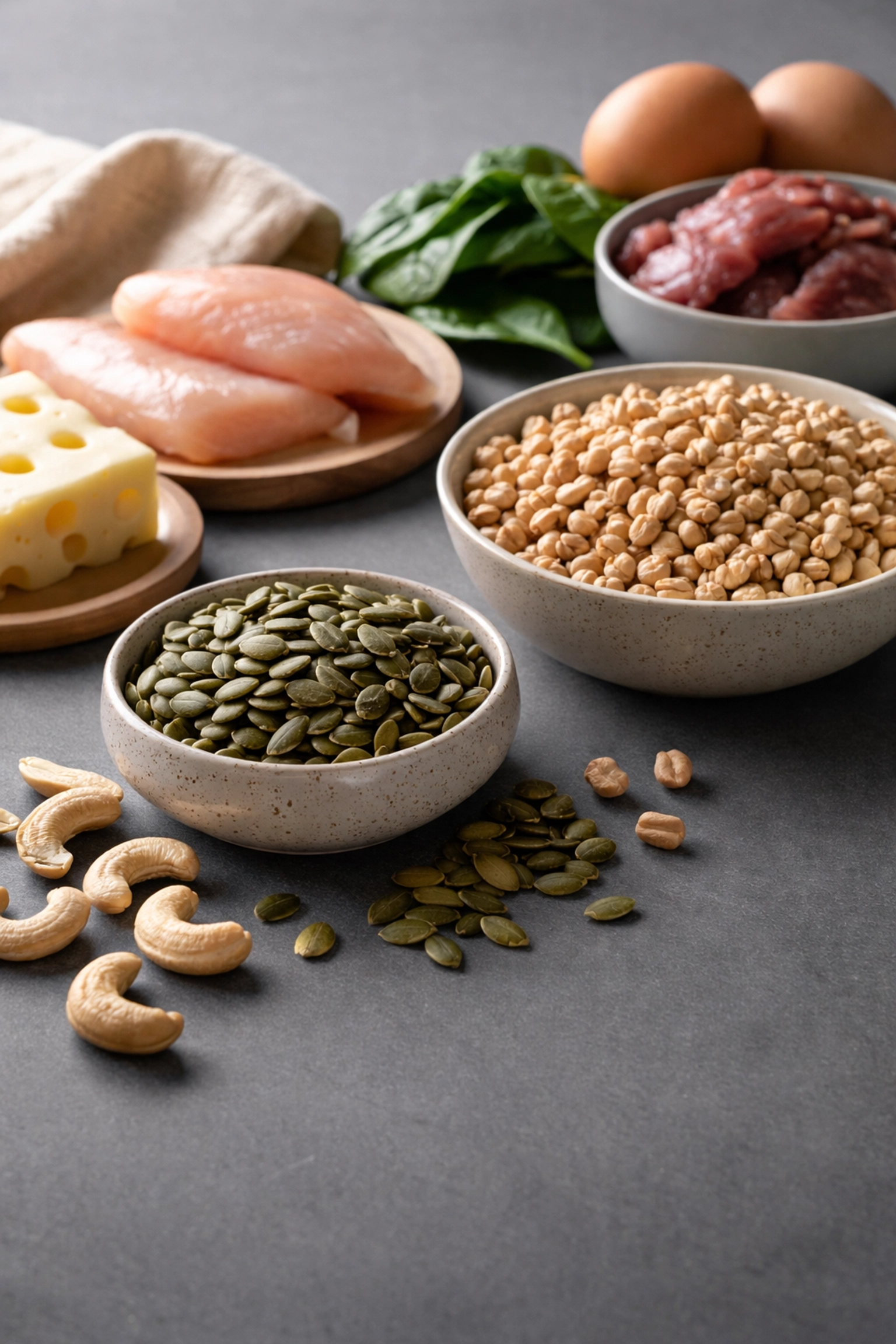
- Oysters: 74 mg per 3-ounce serving (the undisputed champion)
- Beef: 7 mg per 3-ounce serving
- Pumpkin seeds: 2.2 mg per ounce
- Chickpeas: 2.5 mg per cooked cup
- Cashews: 1.6 mg per ounce
Timing Your Micronutrient Intake for Maximum Effect
When you consume these nutrients matters almost as much as whether you consume them at all.
The anabolic window (30 minutes to 2 hours post-workout): This is when your body most efficiently absorbs nutrients and restores muscle protein and glycogen. Prioritise all three micronutrients during this window for optimal results.
Practical timing strategy:
- Immediately post-workout: Consume a vitamin C-rich food or drink alongside your protein source
- Within 2 hours: Eat a balanced meal containing magnesium and zinc-rich foods
- Before bed: Consider a magnesium-zinc supplement to support overnight repair processes
Food Sources vs. Supplements: Making the Right Choice
Whole foods should form the foundation of your micronutrient intake. They provide additional cofactors, fibre, and compounds that enhance absorption.
However, supplements make sense when:
- You're training intensely and sweating heavily (magnesium loss)
- Your diet doesn't consistently include micronutrient-rich foods
- You have increased requirements due to training volume
- You want precise dosing for recovery optimisation
At Fitness Health, our UK-made supplements prioritise bioavailability and purity. We formulate specifically for active individuals who need reliable, high-quality micronutrient support. Check out our supplement range to find options that fit your recovery needs.
Putting It All Together
Stop thinking of protein as your sole recovery tool. Start treating magnesium, vitamin C, and zinc as essential partners in the muscle repair process.
Your action plan:
- Audit your current intake of these three micronutrients against the recommended amounts
- Add 2-3 food sources from each category to your weekly shopping list
- Time your intake around the post-workout window for maximum absorption
- Consider supplementation if training intensity or dietary gaps warrant it
Recovery isn't just about rest days and protein shakes. It's about giving your body every tool it needs to rebuild stronger. These three micronutrients are non-negotiable components of that toolkit.
For more nutrition strategies to support your training, explore our nutrition blog or check out our guide to high-protein breakfast ideas that pair perfectly with these micronutrient principles.