Swimming is one of the most demanding full-body exercises, recruiting multiple muscle groups while depleting energy stores and causing microscopic muscle damage. What you consume in the hours following your swim session directly impacts how quickly your body recovers, adapts, and prepares for the next training session.
Proper post-swim nutrition isn't just about replacing what you've lost: it's about optimising your body's natural recovery processes to build stronger, more resilient muscles and improve overall performance.
The Critical Recovery Window
The 30-60 minutes immediately following your swim represents the most crucial period for recovery nutrition. During this window, your muscles are primed to absorb nutrients more efficiently than at any other time.
Research shows that muscle protein synthesis: the process of building new muscle tissue: remains elevated for up to 48 hours after exercise. However, muscle glycogen replenishment occurs most rapidly in the first hour post-exercise, making this timeframe essential for refuelling.
Your body's ability to utilise nutrients during this period is enhanced by increased blood flow to muscles and heightened insulin sensitivity, creating optimal conditions for recovery.
The Four Pillars of Swim Recovery
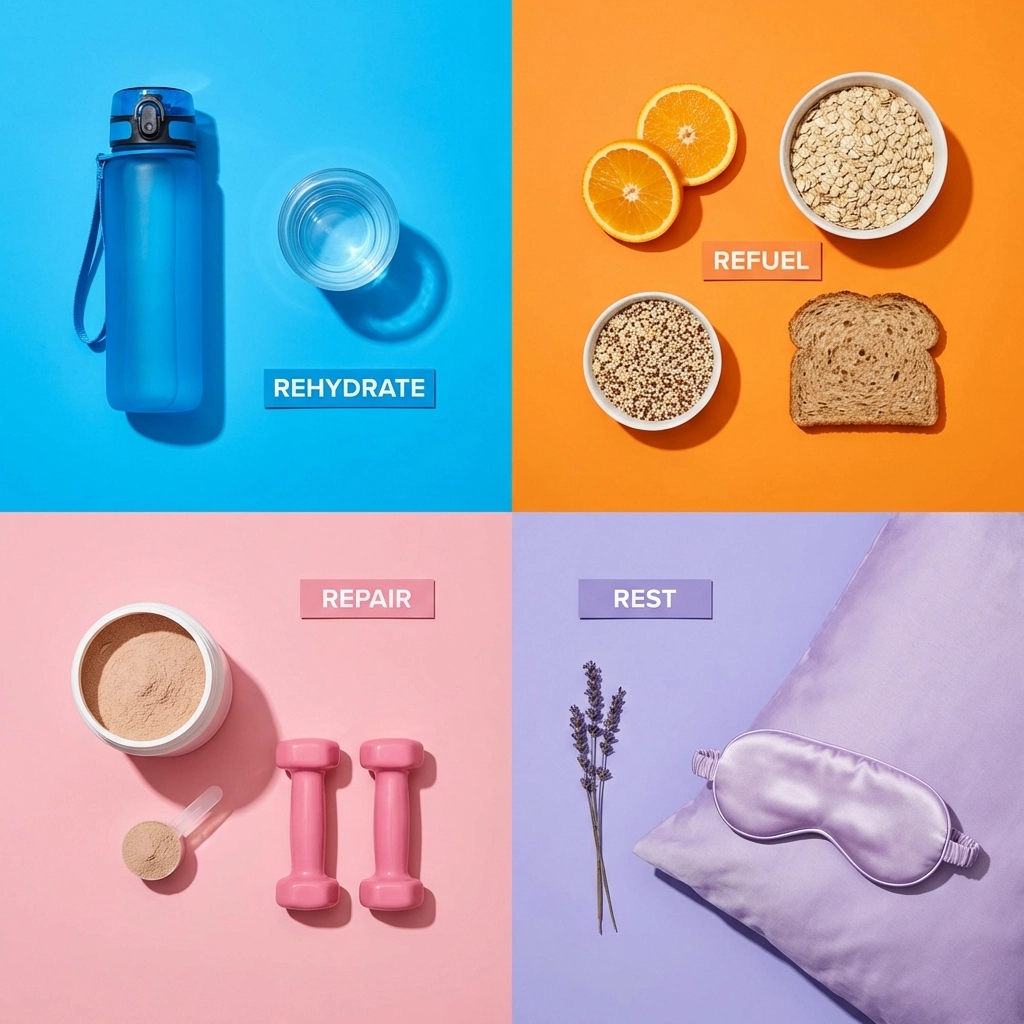
Effective post-swim recovery follows four fundamental principles:
Refuel your depleted energy stores with carbohydrates and quality proteins
Rehydrate to replace fluid losses from sweating and elevated core temperature
Repair muscle tissue with amino acids and anti-inflammatory nutrients
Rest to allow your body's natural recovery processes to work optimally
Macronutrient Requirements for Swimmers
Protein: The Building Blocks
Aim for 20-25 grams of high-quality protein within your post-swim meal or snack. This amount provides sufficient amino acids to maximise muscle protein synthesis without overwhelming your digestive system.
Complete proteins containing all essential amino acids prove most effective. These include:
- Whey protein (fastest absorbing)
- Eggs (highest biological value)
- Greek yogurt (casein and whey combination)
- Lean meats and fish (sustained amino acid release)
- Quinoa and hemp seeds (plant-based complete proteins)
Carbohydrates: Rapid Refuelling
Swimming depletes muscle and liver glycogen stores, particularly during longer sessions or high-intensity training. Target 30-60 grams of carbohydrates depending on your body weight and training intensity.
Choose easily digestible carbs that raise blood sugar quickly:
- Bananas (natural sugars plus potassium)
- White rice or pasta (rapid digestion)
- Honey or dates (simple sugars)
- Oats (sustained energy release)
Electrolytes: Restoring Balance
Swimming in chlorinated pools and elevated core temperatures cause significant electrolyte losses. Focus on replacing:
- Sodium (200-300mg) for fluid retention
- Potassium (150-300mg) for muscle function
- Magnesium (50-100mg) for muscle relaxation
- Calcium for muscle contraction
Optimal Post-Swim Foods
Quick Recovery Snacks (Within 30 Minutes)
Chocolate milk remains the gold standard recovery drink, providing an ideal 3:1 carb-to-protein ratio in an easily digestible form. The combination of fast-acting whey and slower-digesting casein proteins supports both immediate and prolonged recovery.
Greek yogurt with berries delivers 15-20g protein plus natural sugars and antioxidants. The probiotics support gut health, which plays a crucial role in nutrient absorption and immune function.
Banana with almond butter combines fast-acting natural sugars with healthy fats and plant-based protein. Add a pinch of sea salt to boost sodium levels.

Substantial Recovery Meals (1-2 Hours Post-Swim)
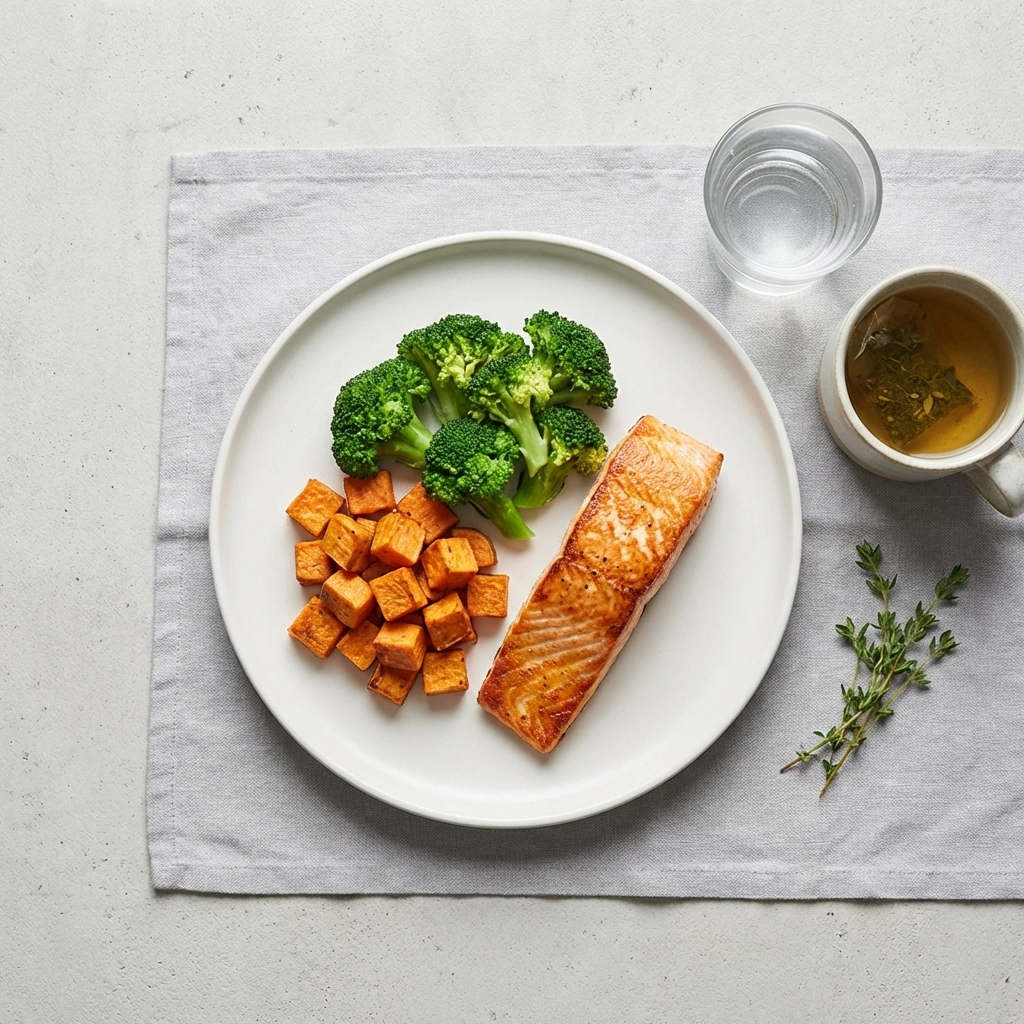
Salmon with sweet potato and broccoli provides omega-3 fatty acids for anti-inflammatory effects, complex carbohydrates for sustained energy, and micronutrients for cellular repair.
Chicken and quinoa bowl with vegetables offers complete proteins, complex carbs, and a spectrum of vitamins and minerals essential for recovery processes.
Scrambled eggs on wholemeal toast with avocado delivers high-quality proteins, healthy monounsaturated fats, and B-vitamins crucial for energy metabolism.
Essential Recovery Supplements
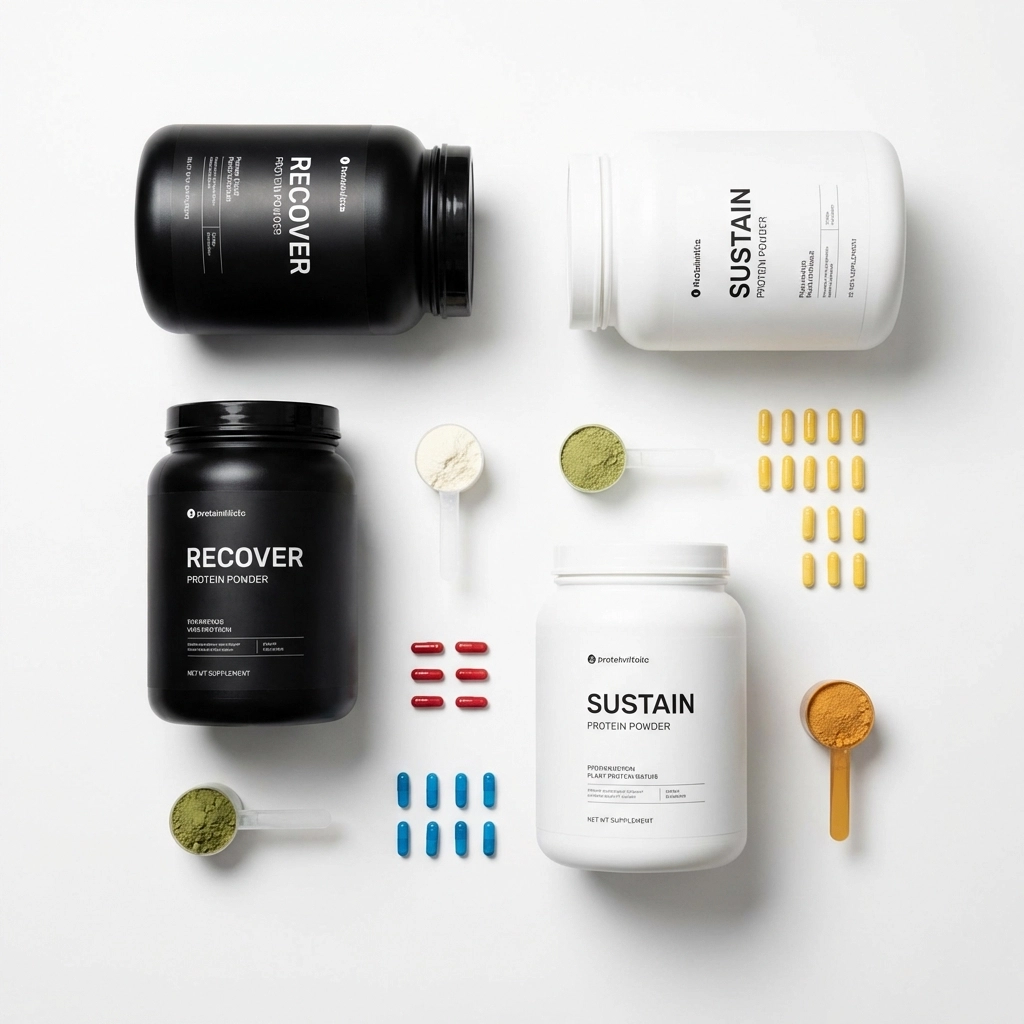
Whey Protein Powder
Dosage: 20-25g in 300-400ml water or milk Timing: Immediately post-swim Benefits: Rapidly absorbed, complete amino acid profile, stimulates muscle protein synthesis
Whey protein isolate offers the highest protein content with minimal lactose, making it suitable for those with dairy sensitivities.
Plant-Based Protein Alternatives
For vegans or those avoiding dairy, combine complementary proteins:
Pea and rice protein blend: Provides complete amino acid profile Hemp protein: Rich in omega-3s and magnesium Soy protein isolate: Complete protein with additional isoflavones
BCAAs (Branched-Chain Amino Acids)
Dosage: 10-15g before or during long swim sessions Benefits: Reduces muscle breakdown, delays fatigue, supports recovery
While BCAAs can be beneficial during extended training, complete proteins generally provide superior recovery benefits.
Creatine Monohydrate
Dosage: 3-5g daily (timing irrelevant) Benefits: Enhances power output, supports muscle recovery, improves training adaptations
Creatine proves particularly beneficial for sprint swimmers and those incorporating high-intensity intervals.
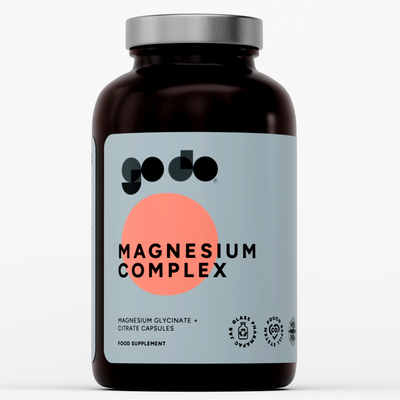
Magnesium
Dosage: 200-400mg before bed Benefits: Muscle relaxation, improved sleep quality, enzyme function
Swimming places high demands on magnesium stores. Deficiency can lead to muscle cramps, poor sleep, and impaired recovery.
Omega-3 Fatty Acids
Dosage: 1-3g EPA/DHA daily Benefits: Reduces inflammation, supports joint health, enhances recovery
Fish oil supplements prove most effective, though algae-based options suit vegetarians and vegans.
Hydration Strategies for Swimmers
Despite being surrounded by water, swimmers often finish sessions dehydrated due to:
- Elevated core temperature
- Increased respiratory rate
- Chlorine exposure
- Failure to recognise thirst signals
Immediate Rehydration (0-2 Hours)
Consume 150% of fluid lost during your session. Weigh yourself before and after swimming to calculate losses.
Water suffices for sessions under 60 minutes Electrolyte drinks for longer or more intense sessions Coconut water provides natural electrolytes without excess sugar
Daily Hydration Maintenance
Monitor urine colour: aim for pale yellow throughout the day. Dark yellow indicates dehydration, while completely clear suggests overhydration.
Daily fluid targets:
- Men: 35-40ml per kg body weight
- Women: 30-35ml per kg body weight
- Additional: 500-750ml per hour of training
Timing Your Recovery Nutrition
Immediate (0-30 minutes)
Focus on rapidly absorbed carbs and proteins. Liquid forms digest faster than solid foods.
Short-term (30 minutes - 2 hours)
Incorporate a balanced meal with complete proteins, complex carbohydrates, and healthy fats.
Long-term (2+ hours)
Maintain regular meal patterns with adequate protein at each meal (20-30g) to sustain muscle protein synthesis.
Common Recovery Mistakes to Avoid
Skipping the recovery window: Delaying nutrition beyond 2 hours significantly reduces recovery efficiency
Over-relying on supplements: Whole foods provide nutrients in optimal ratios with enhanced bioavailability
Inadequate protein intake: Many swimmers consume insufficient protein to support training adaptations
Ignoring hydration: Poor hydration impairs nutrient transport and cellular function
Excessive sugar intake: While some sugar aids recovery, excessive amounts can promote inflammation
Sample Recovery Protocols
For Sprint Training Sessions
Immediately: Chocolate milk or whey protein shake 1 hour later: Chicken sandwich with banana Evening: Salmon with vegetables and quinoa
For Distance Training Sessions
During long sets: Sports drink with electrolytes Immediately: Recovery smoothie with protein powder, berries, and banana 2 hours later: Complete meal with complex carbs and lean protein
For Easy/Technique Sessions
Post-swim: Greek yogurt with fruit Next meal: Normal balanced meal with adequate protein
Optimising your post-swim recovery nutrition creates a foundation for consistent training, reduced injury risk, and improved performance. Start with the basics: adequate protein, smart carbohydrate timing, and proper hydration: then consider targeted supplements based on your specific training demands and goals.
For more nutrition guidance tailored to your fitness goals, explore our comprehensive nutrition resources including high-protein breakfast ideas to fuel your morning swim sessions.