Achieving a healthy pregnancy is a complex biological journey that depends equally on the health of both the egg and the sperm. Research from the National Institutes of Health (NIH) highlights that while age and genetics are significant factors, micronutrient status plays a pivotal role in optimizing reproductive outcomes. For couples navigating the road to conception, understanding the specific roles of folate, zinc, and antioxidants can turn a confusing process into a targeted, evidence-based plan.
Table of Contents
- Why Fertility is a Team Sport
- Key Takeaways Table
- The Female Blueprint: Best Vitamins to Get Pregnant
- The Male Blueprint: Essential Male Fertility Vitamins
- The Science of "The Big Four": Folate, Zinc, Selenium, and CoQ10
- The 90-Day Conception Framework
- Real-World View: Hype vs. Scientific Reality
- Safety, Dosage, and Contraindications
- Frequently Asked Questions
Why Fertility is a Team Sport
For decades, the burden of fertility preparation was placed primarily on women. However, modern reproductive science has shifted the focus. We now know that male-factor infertility contributes to approximately 40-50% of all cases. Sperm quality, defined by count, motility (movement), and morphology (shape), is highly susceptible to oxidative stress and nutrient deficiencies.
When both partners optimize their nutritional status at least three months prior to conception, the chances of successful fertilization and a healthy pregnancy increase significantly. This "pre-conception window" is the most critical time to introduce high-quality fertility tablets and targeted supplements.
Key Takeaways
| Nutrient | Primary Role | Target Population | Evidence-Based Benefit |
|---|---|---|---|
| Folate (B9) | DNA synthesis | Both | Prevents neural tube defects; improves sperm DNA integrity. |
| Zinc | Hormonal balance | Both | Boosts testosterone in men; supports oocyte development in women. |
| Selenium | Antioxidant defense | Men | Improves sperm motility and protects against oxidative damage. |
| CoQ10 | Mitochondrial energy | Both | Enhances egg quality (especially 35+); improves sperm concentration. |
| Vitamin D | Hormone regulation | Both | Linked to higher clinical pregnancy rates in IVF settings. |
The Female Blueprint: Best Vitamins to Get Pregnant
Preparing the female body for pregnancy involves more than just a healthy diet; it requires specific "insurance" in the form of prenatal vitamins. These formulas are designed to fill nutritional gaps that are difficult to meet through food alone during the intense biological demands of early gestation.
Essential Nutrients for Women
- Folate (Folic Acid): The cornerstone of prenatal health. It is essential for closing the neural tube in the first weeks of pregnancy, often before a woman knows she is pregnant.
- Iron: Supports the increased blood volume required during pregnancy and prevents anemia, which is linked to lower birth weights.
- Iodine: Critical for thyroid function. An underactive thyroid can interfere with ovulation and increase the risk of early pregnancy loss.
- Omega-3 (DHA): Supports the baby’s brain and eye development and may improve the receptivity of the uterine lining.
"The most important supplement for any woman planning a pregnancy is a folic acid supplement of 400 micrograms every day, ideally starting two to three months before conception." , General consensus from the NHS and major health bodies.

Alt text: A minimalist 90-day calendar cycle representing the timeline for egg and sperm maturation.
The Male Blueprint: Essential Male Fertility Vitamins
Sperm take approximately 74 days to develop and another 2-3 weeks to mature and be ready for ejaculation. This means the lifestyle and supplement choices a man makes today won't be reflected in his sperm quality for nearly three months. Targeted male fertility vitamins focus on protecting developing sperm from "oxidative stress", the biological equivalent of rust.
Key Nutrients for Sperm Health
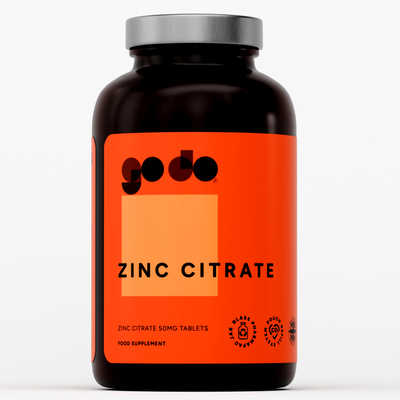
- Zinc Citrate: High concentrations of zinc are found in the testes and prostate. It is vital for sperm production and tail strength (motility).
- Selenium: This trace mineral is a component of selenoproteins that protect the sperm membrane.
- L-Carnitine: An amino acid that provides the energy required for sperm to swim effectively.
- Vitamin C & E: These antioxidants work synergistically to reduce DNA fragmentation in sperm.
Pro Tip: Men should avoid hot tubs, saunas, and tight-fitting underwear during the 90-day pre-conception window, as excessive heat can negate the benefits of even the best supplement regimen.
The Science of "The Big Four"
To understand why these specific vitamins are considered the "best vitamins to get pregnant" and optimize male health, we look at the clinical mechanisms.
Mechanism of Action Table
| Nutrient | Mechanism | Clinical Finding |
|---|---|---|
| Folate | DNA Methylation | Higher folate levels in follicular fluid are associated with better embryo quality. |
| Zinc | Enzyme Co-factor | Men with low zinc levels show decreased sperm volume and testosterone. |
| Selenium | GPx Activity | Selenium levels are directly correlated with sperm motility and morphology. |
| CoQ10 | ATP Production | Pre-treatment with CoQ10 in women over 35 can improve mitochondrial function in eggs. |
Coenzyme Q10 (CoQ10) and Egg Quality
As women age, the mitochondria (the energy factories) in their eggs begin to decline in efficiency. CoQ10 acts as a spark plug for these mitochondria. Clinical studies suggest that CoQ10 supplementation can help "recharge" older eggs, potentially improving embryo quality and fertilization rates in women over 35.
The 90-Day Conception Framework
Follow this practical guide to synchronize your fertility efforts.
- Month 1: The Foundation. Both partners should start a high-quality multivitamin. Women should focus on B-Complex (containing Folate) and Men on Zinc Citrate.
- Month 2: The Antioxidant Boost. Introduce CoQ10 and Selenium. This is when sperm and eggs are in their most sensitive stages of development.
- Month 3: Maintenance and Monitoring. Continue the regimen. Women should track ovulation using basal body temperature or LH strips.
- Ongoing: Stay consistent. Missing doses can disrupt the steady state of nutrients required for gamete development.
Real-World View: Hype vs. Scientific Reality
The Hype: "Fertility supplements can guarantee a pregnancy in the first month."
The Reality: Supplements are optimizers, not cures. They improve the biological environment and the quality of the "seeds" (egg and sperm), but they cannot overcome structural issues like blocked fallopian tubes or severe anatomical abnormalities.
The Hype: "You need to spend hundreds of pounds on designer fertility blends."
The Reality: The most important ingredients, Folate, Zinc, and Selenium, are inexpensive. You don't need to pay for fancy branding. High-quality, UK-made formulations like those at Fitness Health (priced between $13-15) provide the same clinical dosages as expensive boutique brands.
Safety, Dosage, and Contraindications
While supplements are generally safe, "more" is not always "better."
- Zinc Warning: Do not exceed 40mg of elemental zinc daily for extended periods without medical supervision, as this can lead to copper deficiency.
- Selenium Warning: The upper tolerable limit for selenium is 400mcg. Excessive intake can cause "selenosis," characterized by hair loss and nail brittleness.
- Folate vs. B12: High intake of folic acid can mask a Vitamin B12 deficiency. It is best to take Folate as part of a Vitamin B Complex.
- Blood Thinners: CoQ10 can interact with anticoagulant medications like Warfarin. Consult your GP if you are on medication.
Trust Fitness Health for Your Journey
We provide premium, UK-made supplements in eco-friendly packaging. No plastic bottles, no unnecessary fillers, just the nutrients you need at a price that makes long-term support possible.

Alt text: Fitness Health products being packed with care in the UK using eco-conscious materials.
Shop our Reproductive Health Collection
Frequently Asked Questions
Q: How long should I take fertility vitamins before trying to conceive?
A: Ideally, start three months before you plan to conceive to allow for a full cycle of egg and sperm maturation.
Q: Can I just take a normal multivitamin?
A: A high-quality multivitamin is a great start, but it may lack sufficient dosages of Folate (400-800mcg) or CoQ10 (200mg+) specifically needed for fertility optimization.
Q: Does Vitamin D help with getting pregnant?
A: Yes, Vitamin D receptors are present in the ovaries and the uterus. Low levels are frequently linked to ovulatory dysfunction and lower success rates in assisted reproduction.
Q: Are vegan supplements effective for fertility?
A: Absolutely. Fitness Health offers many vegan-friendly options, including our Zinc and B-Complex, which provide the same biological benefits without animal-derived ingredients.
Recommended Reading