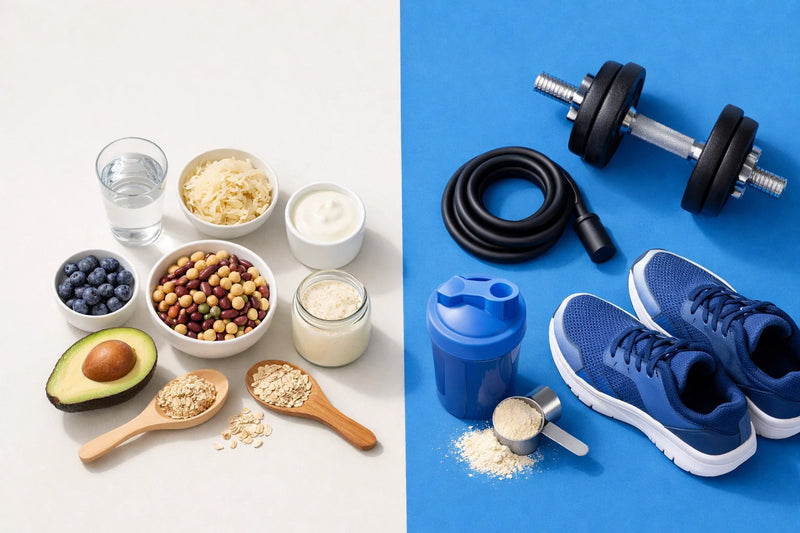
Getting stronger isn't actually about what happens while you’re under the barbell; it’s about what happens in the hours and days after you leave the gym. Most of us have been taught that "more is better," but the latest recovery science for muscle growth and athletic performance suggests that your rest is just as productive as your reps. I remember when I first started lifting, I thought taking a day off was a sign of weakness. I’d grind through six days of heavy compound movements, wondering why my progress had stalled and why my joints felt like they were filled with sand. It wasn't until I embraced the science of rest that my numbers finally started moving again.
Table of Contents
- The Science of Muscle Repair and Hypertrophy
- Spotting Early Signs of Overtraining in Weightlifting
- Active Recovery vs. Complete Rest: Which is Better?
- Sleep: The Ultimate Performance Pillar
- Evidence-Based Benefits of Proper Recovery
- Safety Warnings and Overtraining Risks
The Science of Muscle Repair and Hypertrophy
When we train hard, we aren't actually building muscle in the moment. Instead, we are creating microscopic tears in our muscle fibers. The real magic, the actual growth, happens during the recovery phase. This process, known as muscle protein synthesis, is where your body repairs those tiny tears, making the fibers thicker and stronger than they were before.

The efficiency of this repair depends on how well you manage your "recovery debt." If you jump back into another high-intensity session before this process is complete, you’re essentially tearing down a house while the cement is still wet. By understanding evidence based recovery strategies for muscle growth, you can time your workouts to hit that "sweet spot" where your body has fully compensated and is ready for the next challenge. It’s a delicate dance between stress and adaptation, and finding your rhythm is the key to long-term gains.
Spotting Early Signs of Overtraining in Weightlifting
One of the biggest hurdles for fitness enthusiasts is the ego. We want to push through the pain, but your central nervous system (CNS) has its own set of rules. Unlike your muscles, which might feel sore for a day or two, your CNS can take much longer to recover. If you’re constantly feeling "wired but tired," or if your usual warm-up weights feel like a maximum effort, you might be dealing with more than just a bit of fatigue.
Knowing how to know if you are overtraining in the gym is a vital skill for any athlete. Some common red flags include a persistent lack of motivation, irritability, and even a resting heart rate that is higher than normal. I’ve found that keeping a simple training log helps, not just for tracking my sets and reps, but for noting how I feel. If I see three sessions in a row where my energy is in the gutter, I know it’s time to back off. Ignoring these early signs of overtraining in weightlifting is a fast track to injury and burnout.
Active Recovery vs. Complete Rest: Which is Better?
There’s a common misconception that recovery means sitting on the couch all day. While complete rest days are occasionally necessary, many athletes find better results with "active recovery." This involves low-intensity movement that gets the blood flowing without adding significant stress to the body. Think of it as a "flush" for your system.

The benefits of active recovery for muscle soreness and stiffness are well-documented. Activities like a brisk walk, gentle swimming, or light mobility work help circulate nutrient-rich blood to your muscles, which can actually speed up the repair process. On the other hand, complete rest is often better when you are feeling physically drained or dealing with a nagging injury. Choosing between the two isn't about following a rigid rule; it's about listening to what your body is whispering before it starts screaming.
Sleep: The Ultimate Performance Pillar
If there were a magic pill that could increase your strength, improve your focus, and accelerate fat loss, everyone would take it. That pill is sleep. During deep sleep cycles, your body releases its highest levels of growth hormone, which is essential for tissue repair and bone growth. Without enough shut-eye, your hormone profile shifts, increasing cortisol (the stress hormone) and decreasing testosterone.

The importance of sleep for muscle repair and growth hormone release cannot be overstated. Most experts recommend 7–9 hours of quality sleep for active individuals. I personally noticed a massive shift in my recovery when I started a "digital detox" an hour before bed. By putting the phone away and dimming the lights, I was able to fall into a deeper sleep faster, and my morning workouts felt night-and-day different. It’s the most underrated "hack" in the fitness world.
Evidence-Based Benefits of Proper Recovery
Incorporating a science-backed recovery protocol isn't just about avoiding injury; it’s about optimizing every minute you spend in the gym. Here are some of the key benefits:
- Enhanced Muscle Hypertrophy: Allowing full repair leads to thicker, stronger muscle fibers over time.
- Improved Central Nervous System Function: Better focus and explosive power during your heavy lifts.
- Reduced Risk of Overuse Injuries: Giving tendons and ligaments time to adapt to the load.
- Hormonal Balance: Keeping cortisol in check while maximizing natural growth hormone production.
- Psychological Longevity: Avoiding "gym burnout" and maintaining a high level of motivation.
- Better Metabolic Efficiency: Helping the body clear out metabolic waste products more effectively.
Safety Warnings and Overtraining Risks
While pushing your limits is part of the fitness journey, doing so without a recovery plan can lead to serious health issues. Please keep the following safety warnings in mind:
- Overtraining Syndrome (OTS): This is a clinical condition that can take months to recover from. It affects your mood, sleep, and immune system.
- Increased Cortisol Levels: Chronic overtraining can lead to elevated stress hormones, which can actually cause muscle breakdown rather than growth.
- Joint and Tendon Strain: Soft tissues often take longer to adapt to weight than muscles do; don't outpace your structural integrity.
- Weakened Immune System: Excessive training volume without rest can make you more susceptible to common illnesses.
- Sleep Disturbances: Ironically, training too hard can lead to insomnia, creating a vicious cycle of poor recovery.
If you experience persistent joint pain, extreme lethargy, or a sudden drop in performance, it is vital to consult with a fitness professional or healthcare provider.
Elevate Your Training with Fitness Health
At Fitness Health, we believe that high-quality fitness should be accessible to everyone. Whether you are a seasoned lifter or just starting your journey into the world of recovery science, we are here to support your goals with education and premium solutions. Our UK-made products are designed with care and shipped worldwide in eco-conscious packaging.

Ready to take your fitness to the next level? Explore our range of tools and resources designed to help you recover faster and perform better.