Scroll through fitness Instagram or TikTok for five minutes and you'll encounter it: someone standing sideways in front of a mirror, pointing dramatically at their lower back curve and declaring they've discovered the root of all their problems. Anterior pelvic tilt has become the postural boogeyman of social media fitness culture, blamed for everything from back pain to poor aesthetics. But does the evidence support this level of concern, or has the internet turned a common anatomical variation into a manufactured crisis?
What Anterior Pelvic Tilt Actually Is
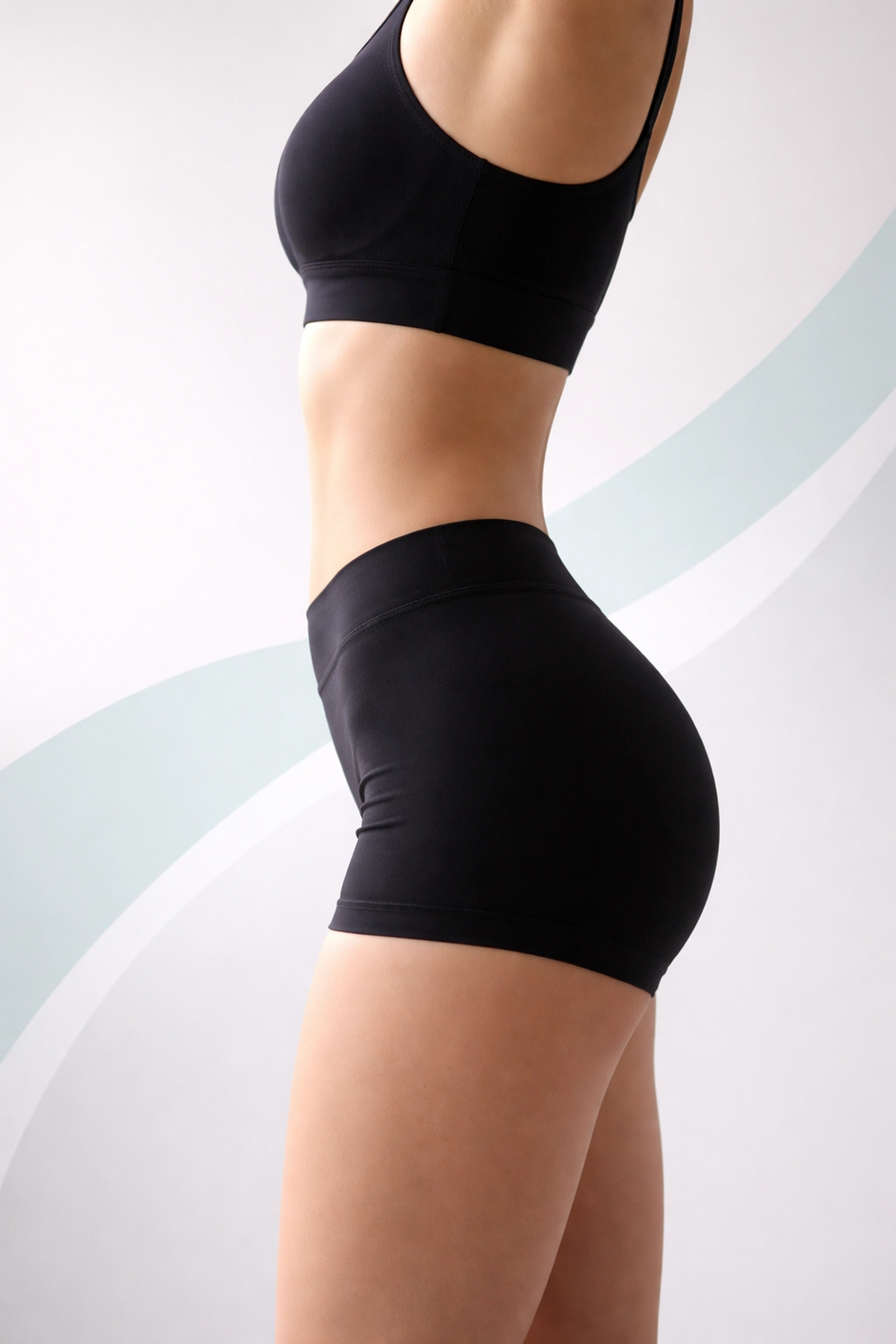
Anterior pelvic tilt occurs when the front of the pelvis rotates forward while the back of the pelvis rises. Picture a bowl of water tipping forward and spilling out the front: that's essentially what happens to the pelvis in this position. This forward rotation creates an increased curve in the lumbar spine, which can result in a more prominent lower back arch, a protruding abdomen, and buttocks that appear more pronounced.
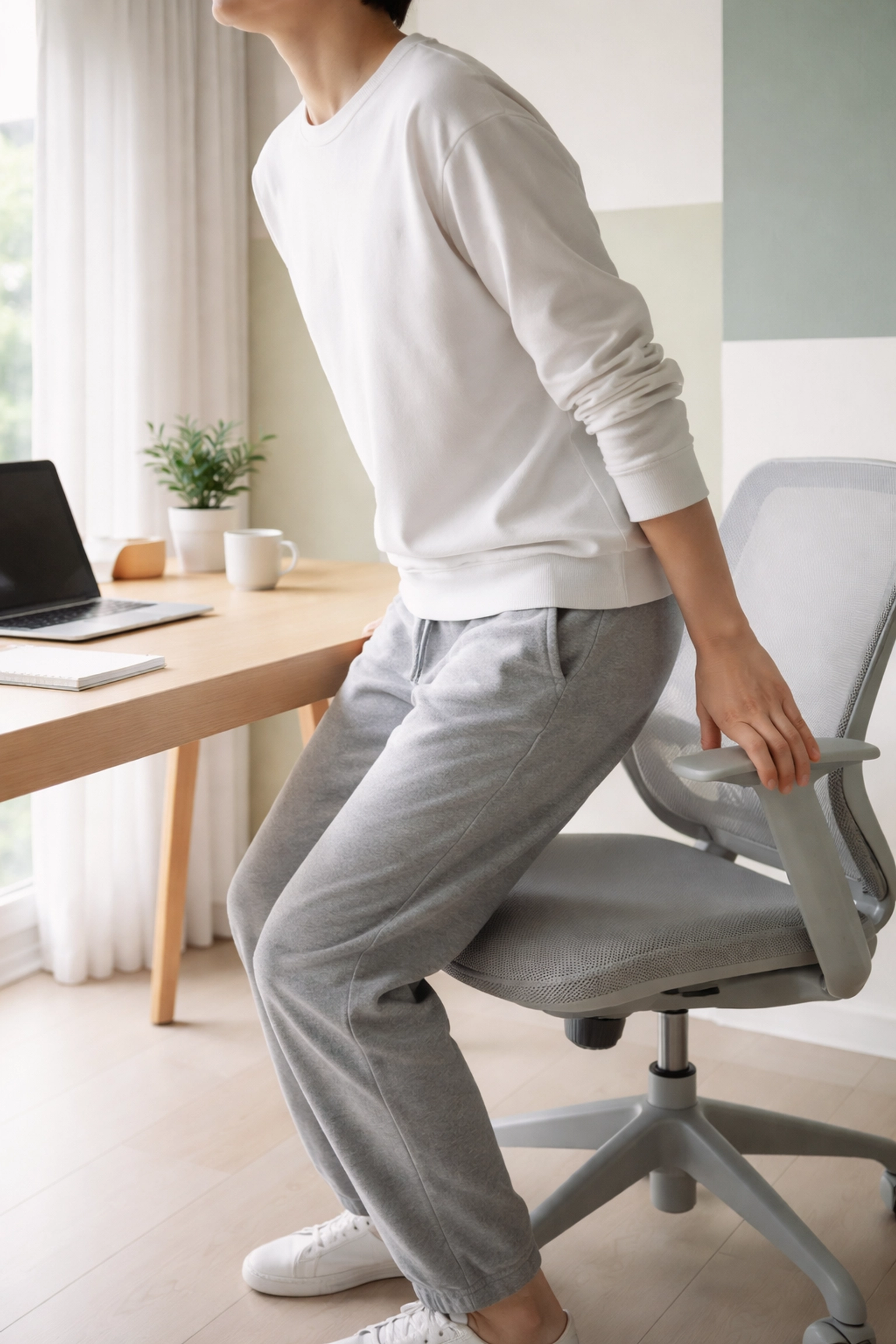
The condition develops from a combination of factors, primarily prolonged sitting, sedentary lifestyles, and habitual postural patterns. When someone spends hours each day in a seated position, the hip flexors at the front of the pelvis remain in a shortened state while the glutes and abdominals become lengthened and potentially weakened.
The Prevalence Problem: When "Common" Becomes "Normal"
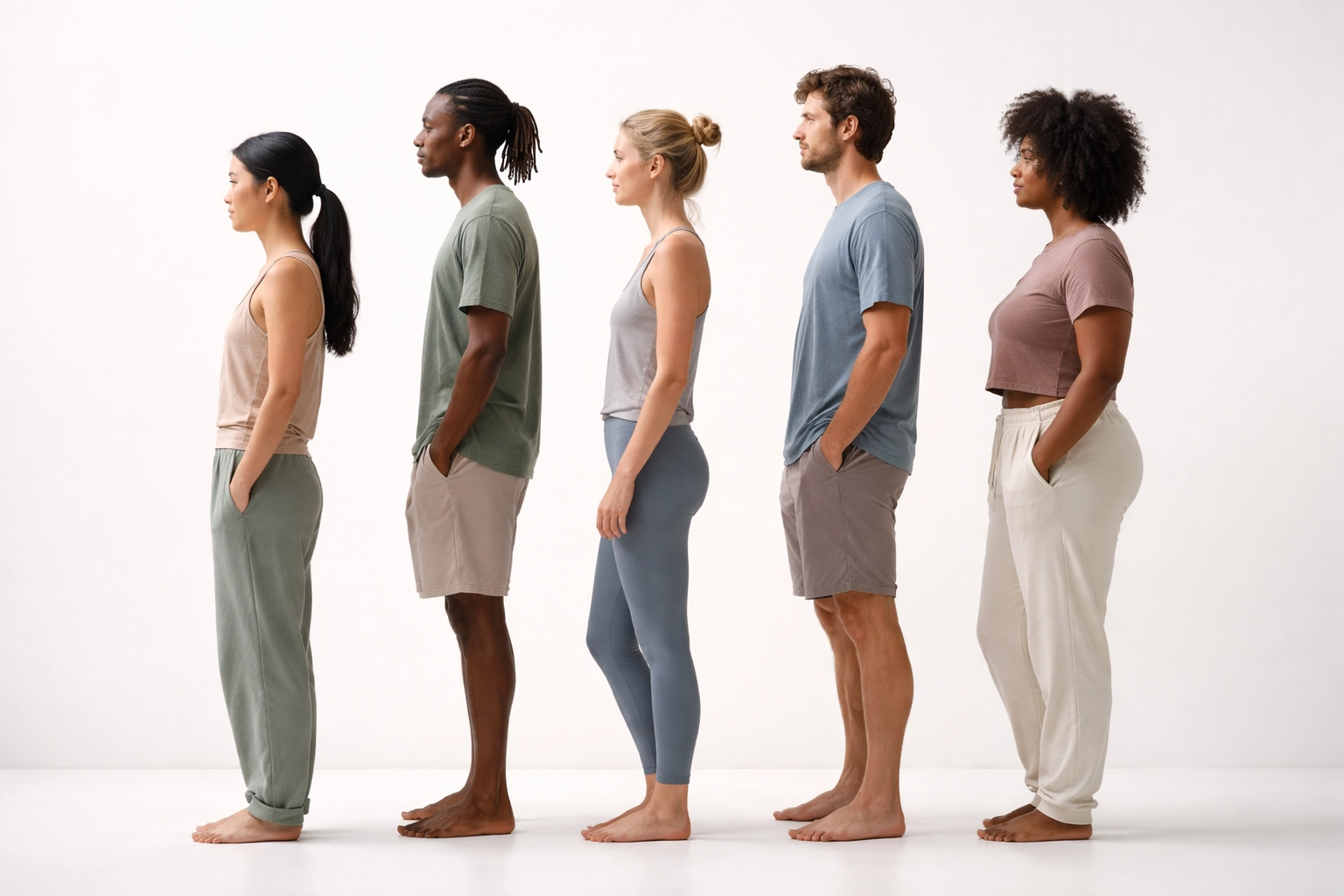
Here's where the social media narrative starts to unravel. Research estimates that 75-85% of people present with some degree of anterior pelvic tilt. Read that again. The vast majority of the population has this condition.
This raises an important question: if nearly everyone has anterior pelvic tilt, is it actually a problem requiring correction, or is it simply within the range of normal human anatomical variation? The answer matters significantly for how people should approach their own bodies.
The fitness industry has historically profited from making people feel broken. Anterior pelvic tilt fits perfectly into this model: it's visible, measurable, and creates an immediate sense that something needs fixing. But prevalence data suggests that mild to moderate anterior pelvic tilt may simply be how most human pelvises naturally orient themselves.
The Symptom Disconnect
Perhaps the most telling statistic in the anterior pelvic tilt debate is this: 75-85% of people with the condition don't experience any symptoms whatsoever. They have the postural pattern, but they feel fine. No pain, no dysfunction, no limitation.
Research hasn't clearly established anterior pelvic tilt as a direct cause of pain symptoms. While the theoretical biomechanical argument makes sense: increased lumbar curve creates compression, altered muscle lengths create imbalances: the real-world data doesn't consistently support this pathway.
This doesn't mean anterior pelvic tilt never causes problems. Some individuals with significant degrees of tilt do experience:
- Lower back discomfort, particularly after prolonged standing
- Hip flexor tightness and associated restrictions
- Knee tracking issues in some cases
- Difficulty activating glutes during exercise
The key distinction is between correlation and causation. Many people with pain have anterior pelvic tilt. Many people without pain also have anterior pelvic tilt. The tilt alone doesn't predict who will hurt.
The Oversimplified "Tight Hip Flexors, Weak Glutes" Narrative
Social media loves a simple explanation, and the anterior pelvic tilt narrative delivers one: tight hip flexors pull the pelvis forward, weak glutes fail to pull it back, stretch the tight things, strengthen the weak things, problem solved.
The reality is considerably more complex. Anterior pelvic tilt is a structural alignment issue, not simply a muscle tightness problem. This explains why stretching alone consistently proves ineffective as a long-term solution. Someone can stretch their hip flexors daily for months and see minimal change in their pelvic position.
The muscular components exist, but they interact with:
- Bony architecture of the individual pelvis and spine
- Nervous system motor patterns developed over years
- Fascial restrictions throughout the entire posterior chain
- Habitual movement and positioning throughout the day
- Individual anatomical variations in hip socket depth and angle
Reducing anterior pelvic tilt to a simple muscle imbalance ignores these factors and sets people up for frustration when basic corrective exercises don't produce dramatic results.
When Anterior Pelvic Tilt Actually Matters
Despite the overblown social media response, anterior pelvic tilt does warrant attention in specific circumstances:
Symptomatic presentations: When someone experiences consistent pain that correlates with their pelvic position: particularly lower back pain that worsens with standing or extension-based movements: addressing pelvic positioning makes clinical sense.
Significant functional limitation: If anterior pelvic tilt prevents someone from achieving positions needed for their sport or daily activities, targeted intervention becomes appropriate.
Extreme degrees of tilt: While mild anterior pelvic tilt falls within normal variation, extreme degrees may place genuinely excessive stress on spinal structures and warrant professional assessment.
Progressive worsening: A pelvis that continues tilting further forward over time, particularly when accompanied by increasing symptoms, signals a need for evaluation.
Supporting overall joint and bone health through adequate nutrition and appropriate loading becomes relevant here: the skeletal system adapts to the demands placed upon it, and maintaining general musculoskeletal health helps the body tolerate various postural positions.
The Social Media Body Dysmorphia Connection
The most concerning aspect of anterior pelvic tilt hysteria isn't the condition itself: it's what the obsessive focus does to people's relationship with their bodies. When fitness content consistently frames a normal anatomical variation as a defect requiring correction, it trains people to view their bodies as collections of problems to solve rather than functional systems to work with.
Young people scrolling through posture-correction content absorb the message that their bodies are wrong. They develop hyperawareness of their pelvic position, checking mirrors constantly, convinced something is broken. This mirrors the patterns seen in body dysmorphic disorder, where perceived flaws become magnified far beyond their actual significance.
The irony is that this hypervigilance often makes things worse. Constant tension and positioning attempts can create the very discomfort people are trying to avoid. The body works best when it can move freely through a range of positions, not when it's held rigidly in an "ideal" alignment.
A More Balanced Approach
Rather than obsessing over anterior pelvic tilt correction, a more evidence-based approach focuses on:
- Movement variability: Change positions frequently throughout the day rather than seeking one perfect posture
- General strength: Build overall lower body and core strength without fixating on specific "corrective" exercises
- Symptom-based intervention: Address problems if they arise rather than preemptively treating a structural pattern
- Context awareness: Recognise that pelvic position changes with activity and that some anterior tilt during standing is normal
The pelvis isn't meant to sit in one fixed position. It tilts, rotates, and shifts as part of normal movement. A body that can access multiple positions is healthier than one locked into any single alignment: even a theoretically "perfect" one.
The Bottom Line
Anterior pelvic tilt exists. It's real, it's measurable, and in some cases it contributes to symptoms worth addressing. But the social media hysteria surrounding it has transformed a common anatomical variation into an imaginary epidemic of broken bodies requiring urgent correction.
For most people, mild anterior pelvic tilt represents nothing more than how their pelvis happens to sit: no different from having slightly longer arms or a particular foot shape. The energy currently devoted to pelvic position would serve most people better if directed toward consistent movement, progressive strength training, and developing a healthier relationship with their bodies as they actually are.