In the evolving landscape of 2026 nutrition, the conversation has shifted. For years, the low-carb community focused almost exclusively on protein and healthy fats. While these are essential for muscle retention and satiety, the "Fiber-Maxxing" trend has highlighted a critical missing piece: the gut microbiome.
If you are following a low-carb or ketogenic diet, you might be hitting your protein targets but starving your gut bacteria. "Fiber-maxxing" is the practice of intentionally maximizing fiber intake: specifically prebiotic fibers: to support metabolic health, digestion, and long-term wellness without breaking your carb limit.
The 2026 Shift: Why Fiber is Trending Now
The trend toward fiber-maxxing isn’t just about avoiding constipation. It is a response to the latest research in metabolic health and the rise of GLP-1-friendly eating strategies. We now understand that the gut is the control center for systemic inflammation, hormone regulation, and even mental clarity.
While high-protein diets are excellent for body composition, relying solely on animal proteins and fats can lead to a less diverse microbiome. Fiber-maxxing bridges the gap, allowing you to maintain the benefits of a low-carb lifestyle while ensuring your internal ecosystem thrives.
Understanding the Net Carb Advantage
The most common reason people avoid fiber on a low-carb diet is the fear of increasing their carbohydrate count. However, it is vital to distinguish between total carbohydrates and net carbohydrates.
- Total Carbs: The sum of all carbohydrates in a food, including sugars, starches, and fiber.
- Fiber: A type of carbohydrate that your body cannot digest. It passes through your system without being converted into glucose.
- Net Carbs: Total Carbs minus Fiber (and some sugar alcohols).
Because fiber does not raise blood sugar levels or trigger an insulin response, it is effectively "free" in the context of a low-carb diet. In fact, increasing your fiber intake can actually improve your glucose stability.

Why Protein Alone Isn’t Enough for Your Gut
Protein provides the building blocks for your muscles, but your gut bacteria need fermentable material to produce Short-Chain Fatty Acids (SCFAs) like butyrate. These SCFAs are the primary energy source for the cells lining your colon and play a massive role in reducing inflammation.
Without adequate fiber, your gut bacteria may begin to consume the protective mucus lining of your intestines, potentially leading to "leaky gut" or increased systemic inflammation. By incorporating "fiber-maxxing" strategies, you provide the necessary fuel for beneficial bacteria like Akkermansia and Bifidobacterium, which are linked to leaner body mass and better metabolic outcomes.
Metabolic Benefits of High Fiber Intake
Integrating high fiber into a low-carb framework offers several distinct physiological advantages:
1. Improved Insulin Sensitivity
Soluble fiber forms a gel-like substance in the gut that slows the absorption of nutrients. This results in a slower, more controlled release of glucose into the bloodstream, which reduces the demand for insulin. For those using low-carb diets for weight management or blood sugar control, fiber is a powerful tool.
2. Satiety and Appetite Control
Fiber adds bulk to your meals and slows gastric emptying. This triggers stretch receptors in the stomach and signals the brain that you are full. When combined with the satiating effects of protein, fiber makes a caloric deficit significantly easier to maintain. Check out our weight loss collection for more support on managing your goals.
3. Cholesterol Management
Viscous fibers bind to bile acids (which are made of cholesterol) in the digestive tract and carry them out of the body as waste. This forces the liver to use more cholesterol to produce new bile, effectively lowering circulating LDL levels.
How to "Fiber-Max" on a Low-Carb Diet
Achieving 30 to 50 grams of fiber daily while staying under 50 grams of net carbs requires a strategic approach. You cannot rely on bread or pasta; instead, you must focus on nutrient-dense, high-fiber plants.
Top Low-Carb Fiber Sources:
- Chia Seeds: 10g of fiber per 2 tablespoons (nearly 0g net carbs).
- Flaxseeds: 2g of fiber per tablespoon.
- Avocado: 10g of fiber per medium fruit.
- Psyllium Husk: 7g of fiber per tablespoon.
- Leafy Greens: Spinach, kale, and arugula offer high fiber-to-carb ratios.
- Cruciferous Vegetables: Broccoli, cauliflower, and Brussels sprouts.

The Role of Prebiotic Fibers
Not all fiber is created equal. While insoluble fiber (the "roughage" in celery) is great for regularity, prebiotic fibers are what truly fuel the microbiome. These are fermentable fibers that act as a fertilizer for your good bacteria.
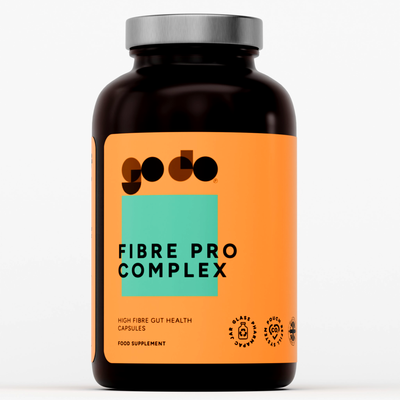
In 2026, we are seeing a major focus on specific prebiotics like Inulin and Fructooligosaccharides (FOS). These are often found in supplement form or in specific foods like chicory root and artichokes. For those struggling to hit their fiber targets through whole foods alone, our gut health collection offers targeted support to nourish your microbiome.
Implementation Guide: A Sample Day of Fiber-Maxxing
To transition into a high-fiber, low-carb routine, follow this blueprint:
- Morning: Add 2 tablespoons of chia seeds to a high-protein Greek yogurt or a protein shake. This adds 10g of fiber instantly.
- Lunch: Base your meal around a large bowl of leafy greens. Include half an avocado and a serving of protein (chicken or salmon).
- Snack: A handful of almonds or pumpkin seeds.
- Dinner: Swap traditional sides for "riced" cauliflower or roasted broccoli seasoned with olive oil and sea salt.
- Supplementation: If you are still short of your 30g target, a tablespoon of psyllium husk mixed in water before dinner can bridge the gap.
Safety and Practical Tips
If you are currently only eating 10-15 grams of fiber per day, do not try to hit 40 grams tomorrow. A sudden increase in fiber can cause bloating, gas, and abdominal discomfort.
- The "Low and Slow" Rule: Increase your fiber intake by 5 grams every few days to allow your gut enzymes and bacteria to adjust.
- Hydration is Mandatory: Fiber needs water to move through your system. If you increase fiber without increasing water, you may experience constipation. Aim for an extra 500ml of water for every 10g of fiber added.
- Monitor Your Biofeedback: Everyone's microbiome is unique. If certain high-fiber foods (like cruciferous veg) cause excessive bloating, try switching to different sources like seeds or skinless squash.

Summary of Key Takeaways
- Fiber doesn't count against your goals: In a low-carb context, fiber is a "net zero" carbohydrate that provides essential metabolic benefits.
- Gut health is metabolic health: A healthy microbiome supported by fiber improves insulin sensitivity and reduces inflammation.
- Aim for diversity: Don't just eat one type of fiber. Mix seeds, greens, and supplements to provide a varied diet for your gut bacteria.
- Support your journey: If you're focused on high-intensity training alongside your low-carb diet, ensure your recovery is also optimized through our strength and fitness collection.
By adopting the "fiber-maxxing" approach, you ensure that your low-carb diet is not just a tool for short-term weight loss, but a sustainable foundation for long-term health. Your gut needs more than just protein; it needs the complex fuel that only quality fiber can provide.
For more information on optimizing your nutrition and supplement stack, visit our home page to explore our full range of health care solutions.