If you’re serious about your training, you already know about protein for muscle repair and carbohydrates for energy. But there is a third pillar of nutrition that often gets overlooked by everyone except the pros: polyphenols.
These plant-based compounds are the secret weapon for athletes looking to shave time off their recovery and push their performance limits. At Fitness Health, we’re all about high-quality formulations that actually work, so let’s dive into the science of how polyphenols can transform your fitness routine without breaking the bank.
What Are Polyphenols?
Polyphenols are bioactive compounds found naturally in plants. Think of them as the plant’s own defense system. They protect vegetation from UV radiation, pests, and disease. When we consume them: whether through a bowl of blueberries or a high-quality supplement: those protective benefits transfer to us.
There are over 8,000 identified types of polyphenols, generally categorized into groups like flavonoids, phenolic acids, and stilbenes. In the world of sports nutrition, we value them primarily for two things: their antioxidant properties and their ability to modulate inflammation.
How Polyphenols Power Your Performance
Most people think of recovery as something that happens after the gym. While that’s true, polyphenols can actually help you perform better while you’re still in the middle of a set.
1. Improved Blood Flow
Certain polyphenols, particularly those found in cocoa and grapes, help increase the production of nitric oxide. This relaxes your blood vessels (vasodilation), allowing more oxygen-rich blood to reach your working muscles. Better blood flow means better endurance and a delayed "burn" during high-intensity intervals.
2. Increased Time to Exhaustion
Research suggests that taking about 300 mg of polyphenols roughly one hour before exercise can significantly improve performance. Studies have shown athletes can push longer before hitting exhaustion, making these compounds a great addition to your pre-workout stack.

The Recovery Phase: Crushing Inflammation and DOMS
This is where polyphenols really shine. When you lift heavy or run long distances, you create tiny tears in your muscle fibers and trigger an inflammatory response. While some inflammation is good (it tells your body to grow stronger), too much of it leads to Delayed Onset Muscle Soreness (DOMS) and keeps you out of the gym for longer.
Reducing Oxidative Stress
During intense exercise, your body produces Reactive Oxygen Species (ROS). These are unstable molecules that can damage cells. Polyphenols act as scavengers, hunting down these free radicals and neutralizing them before they can cause significant muscle damage.
Faster Strength Return
One of the biggest hurdles after a "leg day" is the loss of functional strength. You might find you can’t squat your usual weight for three or four days. Data shows that athletes using a high-dose polyphenol protocol (around 1,000–1,200 mg per day) recover their baseline strength significantly faster: often within 48 to 72 hours.
Top Sources: Food vs. Supplements
You can absolutely get polyphenols from your diet, but for athletic performance, the dosage is the tricky part. Here are the heavy hitters:
- Montmorency Cherries: The gold standard in recovery research. These are packed with anthocyanins that specifically target muscle soreness.
- Pomegranates: Excellent for reducing markers of muscle damage.
- Blueberries: Great for general antioxidant support.
- Green Tea (EGCG): Boosts metabolism while protecting cells.
- Turmeric (Curcumin): A powerful anti-inflammatory polyphenol.
The Supplement Advantage
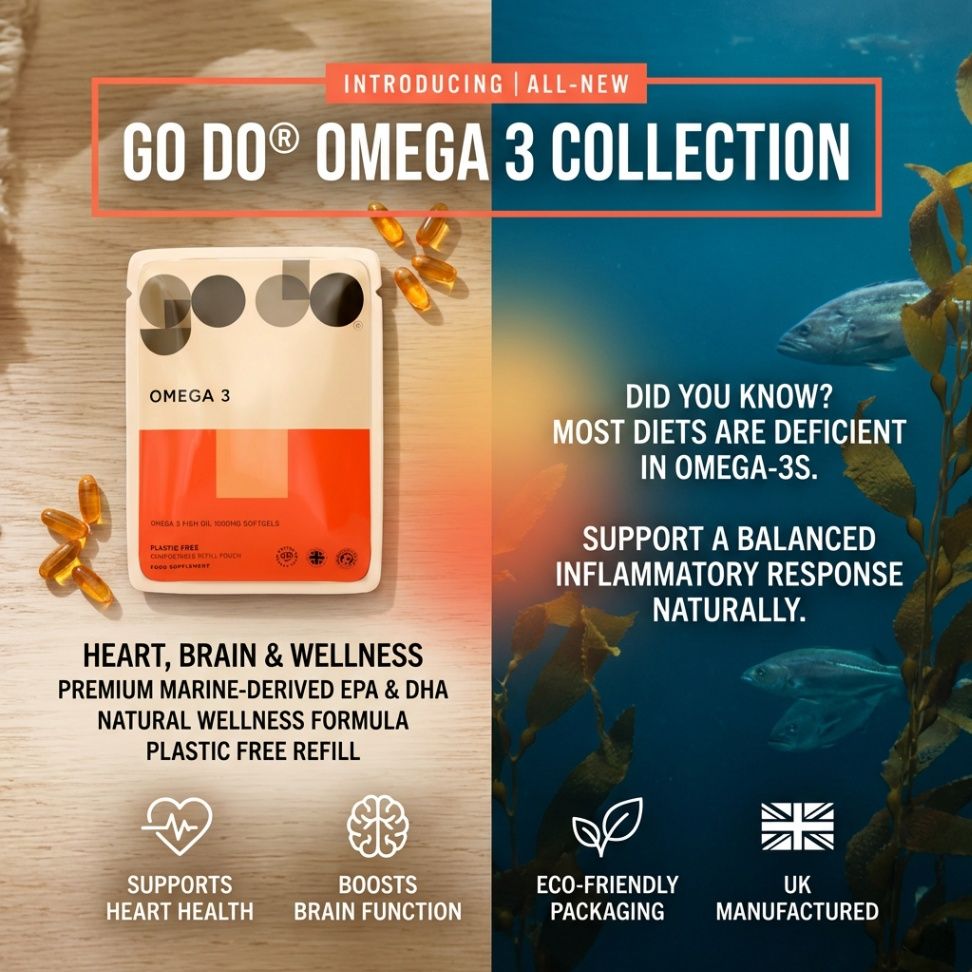
While we love a good smoothie, eating the sheer volume of fruit required to hit 1,200 mg of polyphenols every day can be expensive and high in sugar. That’s why we focus on high-quality, affordable formulations at Fitness Health. Our antioxidant collection provides concentrated doses of these compounds, ensuring you get the clinical benefits without the "fruit bloat."
The Winning Dosing Strategy
To get the most out of polyphenols, you need a strategy. You can't just take one pill and expect to turn into an elite athlete overnight. Consistency is the name of the game.
For Daily Maintenance
If you’re just looking for general health and modest recovery support, aim for a variety of colorful fruits and vegetables daily. A high-quality multivitamin or a dedicated antioxidant supplement can help fill the gaps.
For Intense Training or Competition
If you have a marathon, a crossfit competition, or a particularly brutal training week coming up, follow this evidence-based protocol:
- The Loading Phase: Start taking 1,000–1,200 mg of polyphenols per day (split into two doses, morning and evening) starting 3 days before your event.
- The Event Day: Take 300 mg about an hour before you start.
- The Recovery Phase: Continue the 1,200 mg daily dose for 3 days after the event.
This protocol has been shown to maximize the restoration of muscle strength and significantly reduce plasma markers of inflammation like IL-6 and CRP.
Why Quality Matters
Not all supplements are created equal. When you're looking at labels, you want to see standardized extracts. This ensures that the "300 mg" on the bottle actually contains the active polyphenols you're looking for, rather than just ground-up plant material.
At Fitness Health, we pride ourselves on transparency. Whether you're looking at our probiotics for gut health or our recovery aids, we ensure our formulations meet high standards. If you have questions about how our products are made, check out our FAQ-products page.

Key Takeaways for Your Routine
If you want to start using polyphenols to boost your recovery today, keep these three points in mind:
- Timing is Key: Use a small dose pre-workout for performance and a larger, consistent dose post-workout for recovery.
- Stack Your Sources: Combine different types of polyphenols (like cherry and pomegranate) to cover more biological pathways.
- Watch the Window: The most significant benefits for muscle soreness usually appear 48 to 72 hours after exercise. Don't stop your protocol too early!
Summary Table: Polyphenols at a Glance
| Benefit | Optimal Dose | Best Source |
|---|---|---|
| Endurance Boost | 300 mg (Pre-workout) | Green Tea / Cocoa |
| Muscle Recovery | 1,200 mg (Daily) | Tart Cherry / Pomegranate |
| Inflammation Reduction | 500-1,000 mg (Daily) | Turmeric / Quercetin |
Reducing inflammation isn't just about feeling less sore; it’s about being able to train harder, more often. By integrating polyphenols into your supplement stack, you’re giving your body the tools it needs to repair itself efficiently.
Ready to upgrade your recovery game? Explore our full range of antioxidant supplements and start seeing the difference in your next session. If you need help picking the right product for your specific goals, don't hesitate to reach out via our contact page.
For more tips on mastering your fitness, check out our blog on resistance band techniques to keep your training varied and effective.