If you have spent more than five minutes in a health food store or scrolling through wellness TikTok, you have seen the "Golden Milk" lattes and the vibrant orange stains on every influencer's wooden cutting board. Turmeric is everywhere. It is heralded as the king of anti-inflammatory spices, a miracle for joint health, and a general systemic "reset" button.
But here is the messy truth: your body is remarkably bad at using it.
You could be dumping a tablespoon of raw turmeric powder into your morning smoothie every single day and getting almost zero of the actual benefits. When it comes to the battle of Turmeric vs. Raw Powder, the winner isn't determined by who has the brightest color: it’s determined by bioavailability.
In this guide, we are breaking down why your body treats turmeric like an unwanted guest, the massive difference between the root and the extract, and why turmeric curcumin capsules are usually the superior choice for therapeutic results.
The Chemistry: Turmeric vs. Curcumin
Before we talk about absorption, we have to clear up a common naming mistake. Turmeric is the root (Curcuma longa). Curcumin is the active compound inside the root.
Think of it like an orange. Turmeric is the whole orange; curcumin is the Vitamin C. While the whole root contains hundreds of different compounds, curcumin is the one responsible for the heavy lifting: specifically the anti-inflammatory and antioxidant effects.
The problem? Curcumin only makes up about 3% of the weight of turmeric powder. If you are looking for a therapeutic dose to help with recovery or strength and fitness goals, eating raw powder is like trying to fill a swimming pool with a squirt gun.
Fresh Root vs. Dried Powder: The Hydration Factor
Many people assume that "fresh is best." In the world of vegetables, that is usually true. In the world of turmeric, it’s a bit more complicated.
- Fresh Turmeric Root: Fresh turmeric contains about 70% to 80% water. This means it is significantly less concentrated than the dried version. You would need to eat a massive amount of the raw root to get a functional dose of curcuminoids.
- Dried Powder: When turmeric is dried and ground, the water is removed, leaving behind a more concentrated substance.
Research indicates that for therapeutic element absorption, powdered forms: especially standardized ones: tend to outperform the fresh root. Powdered turmeric has been shown to contain higher levels of phenolic compounds and demonstrates more potent antioxidant activity because the beneficial elements are not diluted by water weight.

The Bioavailability Barrier: Why You Aren't Absorbing It
The biggest hurdle with turmeric isn't its concentration; it’s its bioavailability. Bioavailability is just a fancy way of saying "how much of this actually makes it into your bloodstream."
Curcumin is notoriously "hydrophobic," meaning it doesn't like water. Since your blood is mostly water, the curcumin molecules tend to clump together and get flushed out of your system by the liver before they can do any good. Without a "delivery vehicle," most of the turmeric you eat stays in your digestive tract and ends up in the toilet.
If you are taking turmeric to support immunity or systemic health, you need to bypass this "first-pass metabolism" in the liver.
The Triple-Threat Hack: Pepper, Fat, and Heat
If you are going to use raw powder in your kitchen, you cannot use it alone. To move the needle on absorption, you need to employ three specific "hacks" that change how your body processes the spice.
1. The Piperine Synergy (Black Pepper)
This is the most famous trick in the book. Black pepper contains a compound called piperine. When you consume piperine with curcumin, it inhibits the metabolic pathway that eliminates curcumin from the body.
- The Result: Pairing turmeric with black pepper can increase curcumin absorption by up to 2,000% (or 20-fold).
- Actionable Step: Never eat turmeric without a crack of fresh black pepper.
2. The Fat-Solubility Factor
Curcumin is fat-soluble. It needs to hitch a ride on a fat molecule to pass through the lining of the gut and into the bloodstream.
- The Solution: Mix your powder with healthy fats like coconut oil, olive oil, or grass-fed butter. This is why "Golden Milk" (made with full-fat milk) is more effective than just drinking turmeric tea made with water.
3. Heat Activation
Research suggests that heat can increase the solubility of curcumin. Boiling turmeric for a few minutes or using it in a hot curry makes the curcumin more available for your body to pick up.

Why Turmeric Curcumin Capsules Are the Pro Move
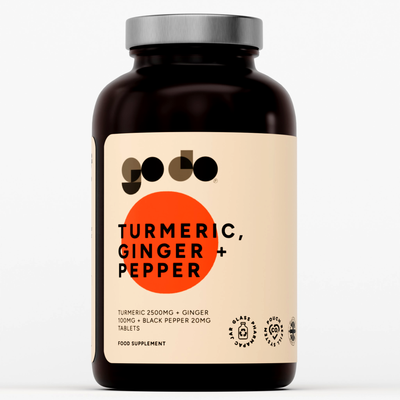
While cooking with turmeric is great for flavor and mild gut health benefits, it is rarely enough if you are dealing with chronic inflammation or looking for specific health outcomes. This is where turmeric curcumin capsules come into play.
Standardization
When you buy a bag of raw powder from the grocery store, you have no idea how much curcumin is actually in it. It could be 1%, it could be 4%. High-quality capsules are "standardized" to 95% curcuminoids. This ensures you are getting a consistent, potent dose every single time.
Integrated Absorption Enhancers
Most reputable turmeric curcumin capsules are formulated with "BioPerine" (a patented black pepper extract) or are delivered in a lipid-based (fatty) formula. They have done the math for you, ensuring the piperine-to-curcumin ratio is exactly what the science says is optimal.
Convenience vs. Quantity
To get the same amount of curcumin found in one or two standard capsules, you would likely need to consume several tablespoons of raw powder daily. Aside from the fact that this would make your food taste like a dirt-flavored sunset, it's also hard on the palate and the kitchen counters. Capsules allow for targeted delivery without the yellow-stained fingers.

Comparison Table: Powder vs. Capsules
| Feature | Raw Turmeric Powder | Turmeric Curcumin Capsules |
|---|---|---|
| Curcumin Content | ~3% | ~95% (Standardized) |
| Absorption Rate | Low (unless paired with fat/pepper) | High (pre-formulated for absorption) |
| Primary Use | Culinary flavor / Gut maintenance | Therapeutic / Anti-inflammatory |
| Convenience | Low (requires prep/cooking) | High (takes 5 seconds) |
| Cost per Dose | Very Low | Moderate |
How to Choose the Right Supplement
If you decide to go the supplement route to support heart health or joint health, don't just grab the cheapest bottle on the shelf. Look for these three non-negotiables:
- Look for Piperine: Ensure the label lists black pepper extract or BioPerine.
- Check the Percentage: Ensure it specifies "95% Curcuminoids."
- Third-Party Testing: Turmeric can sometimes be contaminated with heavy metals (like lead) used to enhance the color in cheaper manufacturing plants. Ensure the brand provides lab results or has a "certified" stamp.
For those looking to optimize their daily routine, check out our best sellers for formulated options that prioritize high bioavailability.
When to Stick with the Powder
Is there any reason to keep the powder in your pantry? Absolutely.
Powdered turmeric in the context of a full meal has been shown in some studies to have a unique relationship with gut bacteria. It acts as a prebiotic, feeding the beneficial bugs in your microbiome. If your goal is general gut health or adding vitamins and minerals to your diet, cooking with the whole spice is a fantastic habit.
However, if you are waking up with stiff joints or looking to recover faster from a heavy lifting session, the powder in your spice rack isn't going to cut it. You need the concentrated power of an extract.

Summary Takeaways
- Fresh vs. Powder: Powder is more concentrated than fresh root because the water has been removed.
- The 3% Rule: Turmeric is only about 3% curcumin. Capsules give you the 95% extract.
- Absorption is King: You must consume turmeric with fat and black pepper (piperine) to get it into your bloodstream.
- The Verdict: Use raw powder for cooking and flavor; use turmeric curcumin capsules for targeted health benefits and maximum absorption.
Whether you are looking to support womens health, mens health, or just want to feel a little less "creaky" in the mornings, understanding the absorption science is the first step. Stop wasting your turmeric: start optimizing it.
Disclaimer: Turmeric can act as a blood thinner. If you are on medication or scheduled for surgery, always consult with a healthcare professional before starting a new supplement regimen.