After two decades in the fitness industry, I've witnessed countless clients walk into my gym with the same request: "I want abs like the magazines." Without fail, they'd drop to the floor and start cranking out crunches, convinced that endless spinal flexion was the golden ticket to core strength.
Here's the reality check I give every single one of them: your core does far more than create a pretty six-pack, and crunches barely scratch the surface of what functional trunk stability actually demands.
What Your Core Really Is (And It's Not What You Think)
Forget everything you've learned about "abs" for a moment. Your core isn't just the rectus abdominis: those mirror muscles everyone obsesses over. It's an integrated system of muscles that includes your diaphragm, pelvic floor, transverse abdominis, internal and external obliques, erector spinae, and multifidus.
Think of your core as nature's own weight belt. Its primary job isn't to flex your spine repeatedly; it's to resist unwanted movement and transfer force efficiently between your upper and lower body.
I learned this lesson the hard way early in my career. Sarah, a keen runner, came to me complaining of persistent lower back pain despite doing 200 crunches daily. Her abs looked impressive, but she couldn't carry a laundry basket up the stairs without discomfort. The problem? Her core could flex brilliantly but couldn't stabilise against real-world movement demands.

The Three Pillars of Anti-Movement Training
Functional core training revolves around teaching your trunk to resist three fundamental movement patterns:
Anti-Extension: Protecting Your Lower Back
Anti-extension exercises prevent excessive arching of your lower back: a common culprit in back pain and poor posture. When your core can't resist extension forces, your spine pays the price.
The Dead Bug remains my go-to starting point. Lie on your back with knees bent at 90 degrees, arms reaching toward the ceiling. Slowly extend one arm overhead while simultaneously extending the opposite leg, maintaining a flat back throughout. The moment your lower back arches, you've lost the battle.
Planks are obvious choices, but most people butcher them. Focus on creating a straight line from head to heels, actively pulling your ribs down and engaging your glutes. If you're shaking after 30 seconds, you're doing it right.
Anti-Rotation: Building Rotational Stability
Your core must resist rotational forces constantly: from carrying shopping bags on one side to throwing movements in sport. Anti-rotation training builds this crucial stability.
Pallof Presses are game-changers. Using a resistance band or cable machine, hold the handle at chest height and press straight out from your body. The resistance tries to rotate you; your job is to stand firm like a statue. I use these with every client because they directly translate to real-world stability demands.
Single-arm carries work brilliantly too. Grab a heavy dumbbell or kettlebell in one hand and walk. Your core works overtime to prevent you from leaning sideways. It's simple, effective, and mirrors everyday activities.

Anti-Lateral Flexion: Preventing Side Bending
Anti-lateral flexion exercises teach your core to resist unwanted side bending, crucial for maintaining proper posture and preventing compensatory movement patterns.
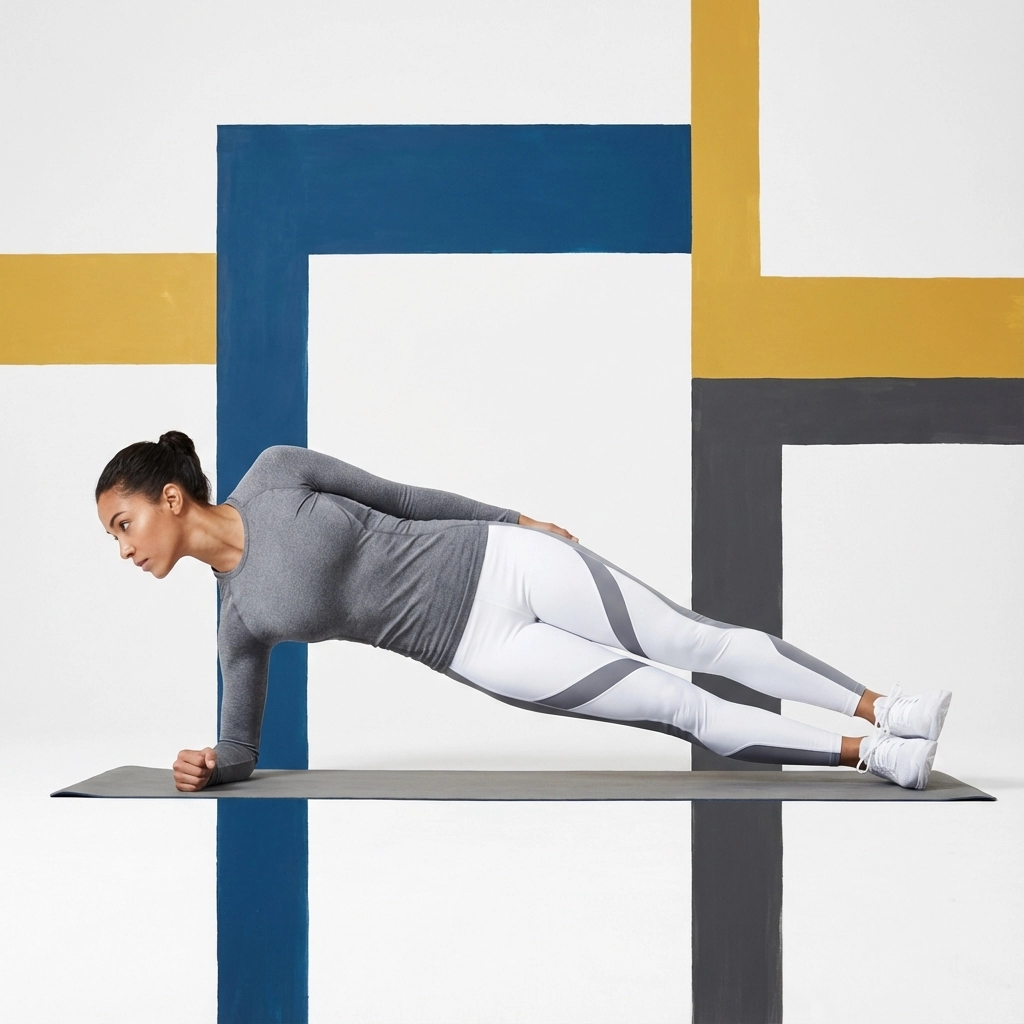
Side Planks target this perfectly, but progression is key. Start from your knees, advance to full side planks, then add leg lifts or reaches for increased difficulty. The goal isn't to hold for minutes; it's to maintain perfect alignment throughout.
Unilateral Farmer's Walks also challenge anti-lateral flexion while building grip strength and overall conditioning: a perfect example of functional training efficiency.
Real-World Performance and Injury Prevention
The transfer from gym to life becomes obvious once you understand these patterns. Mark, a weekend footballer, suffered recurring groin strains until we addressed his core stability. His problem wasn't weakness: it was inability to resist rotational forces during quick direction changes.
After eight weeks focusing on anti-rotation patterns, particularly Pallof variations and single-leg stability work, his groin issues disappeared. More importantly, his on-field performance improved as his body could transfer power more efficiently between his legs and upper body.
This principle applies beyond athletics. Emma, a busy mum of three, struggled with back pain from constantly carrying children, pushchairs, and shopping. Traditional core training had failed her because it didn't address the unilateral, anti-movement demands of her daily life.
We built her programme around:
- Single-arm carries for anti-lateral flexion
- Dead bugs for anti-extension
- Pallof presses for anti-rotation
- Turkish get-ups for total-body integration
Within six weeks, she was pain-free and stronger than she'd been in years.
Progressive Protocols for Different Populations
Beginners: Building the Foundation
Start with basic stability holds before adding movement complexity:
- Modified Planks (knees down) - 3 sets of 20-30 seconds
- Dead Bugs (slow and controlled) - 3 sets of 8 per side
- Side Planks from knees - 3 sets of 15-20 seconds per side
- Pallof Hold (light resistance) - 3 sets of 15 seconds per side
Focus on quality over quantity. Perfect technique builds the neural patterns necessary for progression.
Intermediate: Adding Dynamic Challenge
Once basic holds are mastered, introduce controlled movement:
- Full Planks with reaching - 3 sets of 10 reaches per arm
- Bird Dogs - 3 sets of 12 per side
- Side Planks with leg lifts - 3 sets of 10 per leg
- Pallof Press (dynamic) - 3 sets of 12 per side
- Single-arm carries - 3 sets of 30-metre walks
Advanced: Sport-Specific Integration
Advanced trainees benefit from unstable surfaces, combination movements, and sport-specific patterns:
- Planks on Swiss ball - 3 sets of 45-60 seconds
- Turkish Get-ups - 3 sets of 5 per side
- Pallof Press with step - 3 sets of 8 per side
- Single-leg deadlifts with rotation - 3 sets of 8 per leg

Busting the Common Core Myths
Myth 1: "More is Better"
I've seen clients do 500 crunches daily with zero functional improvement. Quality trumps quantity every time. If you can perform 50 perfect dead bugs, you'll see more benefit than 500 sloppy crunches.
Myth 2: "Spot Reduction Works"
No amount of core training will strip fat from your midsection. Visible abs come from low body fat levels achieved through proper nutrition and overall training, not endless abdominal exercises.
Myth 3: "Core Training Should Burn"
The burn you feel during traditional ab exercises often comes from poor blood flow and muscle fatigue, not effective training. Functional core work should feel challenging but controlled, not like someone's lighting your abs on fire.
Myth 4: "Daily Core Training is Necessary"
Your core works during every compound movement. Dedicated core training 2-3 times weekly is sufficient when combined with proper strength training.
Programming Your Functional Core Training
Integrate anti-movement patterns into your existing routine rather than relegating them to the end when you're exhausted. I programme core work as:
- Warm-up activation: Light dead bugs and planks to switch on stability muscles
- Between sets: Use rest periods for Pallof holds or carries
- Dedicated sessions: 15-20 minutes focused on progression and skill development
Remember, your core provides the stable platform for all movement. It deserves the same attention and progression as your squat or deadlift.
Your Path to Real Core Strength
Ditch the crunch mentality and embrace functional training that actually improves your life. Start with the anti-movement basics, progress systematically, and watch as your core strength translates into better performance, reduced injury risk, and improved quality of life.
Your spine will thank you, your performance will improve, and you might just discover that true core strength feels far better than it looks. Begin today with just one anti-movement pattern, master the technique, and build from there.
The strongest cores aren't built through endless repetitions of outdated exercises: they're forged through intelligent, progressive training that respects how your body actually moves and functions in the real world.
Ready to transform your approach to core training? Start with a single dead bug, performed perfectly, and build your foundation for lifelong strength and stability.