The concept of taping your mouth shut before bed might sound like a modern social media fad, but the underlying science of nasal breathing is a fundamental pillar of human physiology. For athletes, biohackers, and anyone seeking better recovery, mouth taping serves as a "biofeedback" tool to ensure the body utilizes the nose: the organ specifically designed for respiration: rather than the mouth.
At Fitness Health, we focus on the intersection of habit and biology. Mouth taping is not about the tape itself; it is about the physiological shifts that occur when you force your body to breathe nasally for seven to nine hours of sleep.
The Mechanics of Nasal Breathing vs. Mouth Breathing
The nose is far more than a decorative feature on the face; it is a complex filtration and climate-control system for your lungs. When you breathe through your nose, several critical processes occur:
- Filtration: Cilia (tiny hairs) and mucus trap dust, allergens, and pathogens, preventing them from entering the lower respiratory tract.
- Temperature Control: The nasal passages warm cold air and cool hot air to match core body temperature.
- Humidification: The nose adds moisture to the air, preventing the lungs and throat from drying out.
- Nitric Oxide Production: This is perhaps the most significant benefit. The paranasal sinuses produce nitric oxide (NO), a molecule that acts as a vasodilator. When you inhale through your nose, you carry NO into your lungs, which helps dilate blood vessels and improves oxygen uptake in the blood.
Mouth breathing, by contrast, bypasses these steps. It delivers cold, dry, unfiltered air directly to the lungs, often leading to a dry mouth, sore throat, and a higher likelihood of snoring. Over time, chronic mouth breathing can even lead to changes in facial structure and dental health.
CO2 Tolerance: The Hidden Key to Recovery
A major focus of our current breathwork series is CO2 tolerance. Many people mistakenly believe that carbon dioxide is merely a waste product. In reality, CO2 is the "key" that unlocks oxygen from your hemoglobin so it can be used by your tissues. This is known as the Bohr Effect.
If you are a chronic mouth breather at night, you tend to over-breathe (hyperventilate). This offloads too much CO2, causing your blood vessels to constrict and making it harder for oxygen to reach your brain and muscles. By taping the mouth and forcing nasal breathing, you maintain higher levels of CO2 in the blood.
Benefits of improved CO2 tolerance include:
- Reduced Breathlessness: You feel less "out of breath" during high-intensity training.
- Enhanced Endurance: More efficient oxygen delivery to working muscles.
- Improved Recovery: A calmer nervous system allows for better repair during sleep.
For those looking to optimize their metabolic health alongside respiratory efficiency, understanding metabolic flexibility is essential, as oxygen is the primary driver of aerobic metabolism.

The Link Between Nasal Breathing and the Parasympathetic Nervous System
Your breath is a direct remote control for your nervous system. Mouth breathing is closely associated with the sympathetic nervous system (the "fight or flight" response). It is shallow, rapid, and utilizes the upper chest muscles.
Nasal breathing, conversely, encourages diaphragmatic breathing. This stimulates the vagus nerve, which activates the parasympathetic nervous system (the "rest and digest" state). When you mouth tape at night, you are effectively forcing your body into a deeper state of relaxation. This transition is critical for reaching the restorative stages of sleep, such as REM and deep sleep, where the body performs the bulk of its hormonal regulation and tissue repair.
If you struggle to reach a calm state before bed, supplementing with products from our sleep collection can help prepare your nervous system for a successful night of nasal breathing.
What the Science Says About Mouth Taping
While the practice is currently undergoing more rigorous clinical trials, existing research offers compelling insights, particularly for those with mild sleep issues.
- Snoring Reduction: A study published in Healthcare (2022) found that mouth taping significantly reduced snoring in individuals with mild obstructive sleep apnea. By keeping the mouth closed, the soft palate is less likely to vibrate, and the tongue is more likely to stay positioned against the roof of the mouth rather than falling back into the throat.
- Oxygen Saturation: Preliminary data suggests that nasal breathing during sleep maintains more stable oxygen saturation levels compared to mouth breathing, which can be erratic.
- Nitric Oxide Levels: Research consistently shows that nasal breathers have higher circulating levels of nitric oxide, which supports cardiovascular health and lowers blood pressure.
However, it is important to note that mouth taping is a tool, not a cure-all. It should be paired with a holistic approach to health, including proper nutrition and vitamins and minerals to support respiratory muscle function.
How to Start Mouth Taping Safely
You should not simply grab a roll of industrial duct tape and head to bed. Safety and comfort are paramount to ensure you don't create anxiety or sleep disruption.
Step 1: The Daytime Test
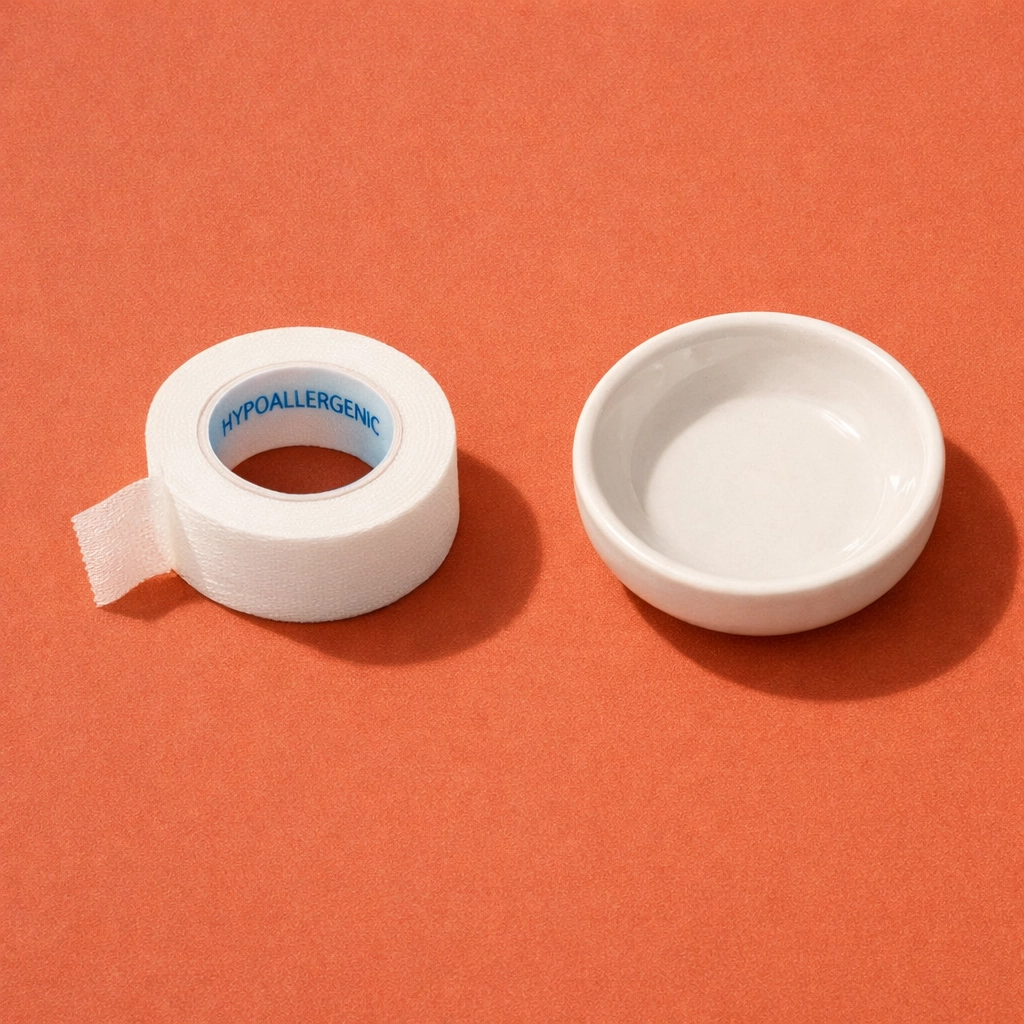
Before wearing tape to sleep, try it during the day. Apply a small piece of skin-safe surgical tape or a dedicated mouth-taping strip while watching TV or reading. This helps your brain realize that you can, in fact, breathe perfectly fine through your nose.
Step 2: Choose the Right Tape
Do not use duct tape, masking tape, or any tape with strong adhesives that could damage the sensitive skin around your lips. Use:
- Hypoallergenic Micropore Tape: Available at most pharmacies.
- Specialized Mouth Strips: These often have a small vent or a "U" shape to allow for a tiny amount of airflow if absolutely necessary.
Step 3: Proper Application
You don't need to seal your mouth from corner to corner. Often, a single vertical strip placed over the center of the lips is enough to keep the jaw closed while allowing for emergency air intake at the corners of the mouth if you cough or sneeze.
Who Should Avoid Mouth Taping?
While beneficial for many, mouth taping is not for everyone. You should consult a medical professional if you have:
- Severe Nasal Congestion: If you cannot breathe through your nose comfortably for 60 seconds while awake, do not tape your mouth at night.
- Severe Obstructive Sleep Apnea (OSA): Mouth taping is not a replacement for a CPAP machine or medical intervention.
- Alcohol or Sedative Use: Avoid mouth taping if you have consumed substances that may impair your ability to wake up if breathing becomes difficult.
- Skin Sensitivities: If you have extremely sensitive skin or allergies to adhesives.
If you find that nasal congestion is your primary barrier, addressing underlying inflammation through immunity support or gut health protocols can often clear the nasal passages over time.
Integrating Mouth Taping into Your Routine
Mouth taping is most effective when viewed as part of a larger recovery "stack." Just as you might track your Zone 2 training or HIIT sessions to monitor cardiovascular progress, you can track the effects of mouth taping using a wearable sleep tracker.
What to look for after 14 days of mouth taping:
- Reduced Morning Brain Fog: Improved oxygenation often leads to sharper cognitive function upon waking. If you need an extra boost, consider our focus collection.
- Increased Energy Levels: Better sleep quality naturally leads to higher daytime energy.
- Absence of "Dry Mouth": Waking up without a parched throat is a primary indicator that you successfully breathed through your nose all night.
Summary Points
- Nasal breathing is physiological: It filters, warms, and humidifies air while boosting nitric oxide.
- CO2 Tolerance is vital: Proper nasal breathing prevents the "over-breathing" that limits oxygen delivery to tissues.
- Safety first: Use only skin-safe tape and perform a daytime test before sleeping with tape.
- Holistic Health: Use mouth taping alongside proper supplementation from our strength and fitness lines to maximize recovery.
By mastering the art of the nasal breath, you aren't just improving your sleep; you are optimizing your body’s most basic and essential biological function. Mouth taping is a simple, low-cost intervention that yields high-impact results for long-term health and performance.