In the pursuit of peak physical performance, we often overlook the most energy-demanding organ in the body: the brain. While it accounts for only about 2% of your body weight, the human brain consumes roughly 20% of your daily caloric intake. This high metabolic demand means that the quality of your "fuel" directly dictates your cognitive output.
Neuro-nutrition is an emerging field of science that examines how specific nutrients influence brain structure, protect against cognitive decline, and optimize daily mental performance. Whether you are looking to sharpen your focus for a deep-work session, improve your short-term memory, or ensure your brain remains resilient as you age, your diet is your most powerful tool.
The Biological Foundation: BDNF and Neuroplasticity
At the heart of neuro-nutrition is a protein called Brain-Derived Neurotrophic Factor (BDNF). Think of BDNF as "Miracle-Gro" for your brain. It supports the survival of existing neurons and encourages the growth of new ones (neurogenesis) and new synaptic connections.
A diet low in essential nutrients and high in processed sugars can suppress BDNF levels, leading to "brain fog" and long-term cognitive impairment. Conversely, a diet rich in specific fatty acids and polyphenols has been shown to boost BDNF, enhancing neuroplasticity: the brain’s ability to adapt and rewire itself.
Essential Fatty Acids: The Structural Components of Thought
Your brain is approximately 60% fat. Therefore, the types of fats you consume determine the structural integrity of your brain cells.
Omega-3 Fatty Acids (DHA and EPA)
Docosahexaenoic acid (DHA) is a primary structural component of the human brain cortex and retina. It is essential for maintaining the fluidity of cell membranes, which allows neurotransmitters like dopamine and serotonin to travel efficiently between neurons.
- Focus & Clarity: High levels of EPA (eicosapentaenoic acid) are linked to reduced neuroinflammation. When the brain is inflamed, cognitive processing slows down, making focus nearly impossible.
- Actionable Step: Aim for at least two servings of fatty fish (salmon, mackerel, sardines) per week. If you are plant-based, algae-based DHA/EPA supplements are a viable alternative to ensure your brain has the building blocks it needs.
The Role of Walnuts
Walnuts are often cited as the ultimate "brain food," not just because they resemble the organ, but because they are exceptionally high in alpha-linolenic acid (ALA), a type of plant-based omega-3. Studies indicate that regular walnut consumption improves "inference reasoning": the ability to understand and manipulate complex information.
Memory Boosters: The Power of Polyphenols and Antioxidants
Oxidative stress is the primary driver of brain aging. As the brain consumes oxygen at high rates, it produces free radicals that can damage neural tissue. Antioxidants act as a defense mechanism, neutralizing these harmful molecules.
Flavonoids and Anthocyanins
Berries, particularly blueberries and blackberries, are packed with anthocyanins. These compounds cross the blood-brain barrier and accumulate in areas of the brain that handle learning and memory. Research suggests that these antioxidants enhance signaling between brain cells, effectively "sharpening" the memory retrieval process.
Targeted Antioxidant Support
For those who struggle to get enough variety in their diet, utilizing a targeted Antioxidants collection can help bridge the gap. Look for supplements containing Vitamin C, Vitamin E, and Coenzyme Q10 to provide comprehensive neuroprotection.

Nootropics and Adaptogens: Engineering Focus
In 2026, the use of nootropics (cognitive enhancers) and adaptogens (stress-regulators) has moved from the fringes of biohacking into the mainstream. At Fitness Health, we focus on substances that support the brain’s natural chemistry rather than overstimulating it.
Ashwagandha for Stress-Induced Brain Fog
Chronic stress elevates cortisol, which can physically shrink the hippocampus: the brain's memory center. Ashwagandha is a powerful adaptogen that helps the body manage cortisol. By lowering systemic stress, Ashwagandha clears the path for better concentration and prevents the "mental fatigue" that often hits in the mid-afternoon.
L-Theanine and Caffeine Synergy
When it comes to immediate focus, the combination of L-Theanine (found in green tea) and caffeine is the gold standard. L-Theanine promotes a state of "relaxed alertness," smoothing out the jittery side effects of caffeine and allowing for sustained cognitive endurance.
The Gut-Brain Axis: Your Second Brain
It is impossible to discuss neuro-nutrition without mentioning the microbiome. The gut and the brain are in constant communication via the vagus nerve. Interestingly, about 95% of your body's serotonin: a key neurotransmitter for mood and sleep: is produced in the gut.
A compromised gut lining or an imbalance in gut bacteria can lead to systemic inflammation that eventually reaches the brain. This is why maintaining a healthy microbiome is essential for mental health and focus.
- Actionable Step: Incorporate fermented foods like kimchi, kefir, or high-quality probiotics. You can explore our Gut Health collection for specialized support in maintaining this vital connection.
Brain Longevity: Strategies for the Long Term
Cognitive decline is often viewed as an inevitable part of aging, but neuro-nutrition suggests otherwise. By adopting specific dietary patterns, you can significantly reduce the risk of neurodegenerative diseases.
The Mediterranean-DASH Intervention for Neurodegenerative Delay (MIND)
The MIND diet combines elements of the Mediterranean diet and the DASH diet with a specific focus on brain-healthy foods. Key pillars include:
- Leafy Greens: At least six servings a week.
- Berries: Two or more servings a week.
- Whole Grains: Three servings a day.
- Limited Red Meat: Fewer than four servings a week.
Following this protocol has been shown to lower the risk of Alzheimer’s disease by up to 53% in those who adhere to it strictly.
Micronutrients: The Spark Plugs of Cognition
- B-Vitamins (B6, B12, and Folate): These are essential for breaking down homocysteine, high levels of which are linked to an increased risk of cognitive impairment.
- Magnesium: Often called the "relaxation mineral," magnesium is crucial for synaptic plasticity. It helps the brain maintain its "bandwidth" for learning.
- Zinc: Vital for neurotransmitter signaling. A deficiency in zinc is often linked to impaired memory and focus.
Summary Protocol for Neuro-Nutrition
To simplify your transition into eating for your brain, follow this daily checklist:
- Hydrate Immediately: The brain is roughly 75% water. Even 1% dehydration can lead to significant drops in concentration.
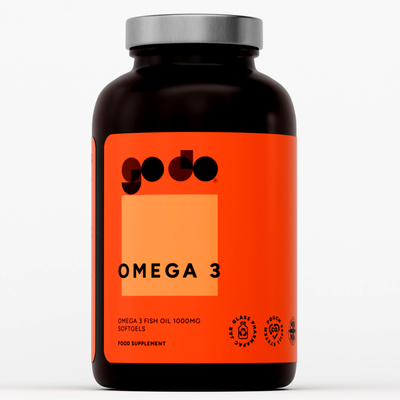
- Prioritize Healthy Fats: Start your day with walnuts, avocado, or an Omega-3 supplement.
- Dose Your Nootropics: Incorporate Ashwagandha or targeted nootropics from the Fitness Health range during periods of high stress or intense focus.
- Add Color to Every Meal: Aim for deep purples, greens, and oranges to ensure a wide spectrum of antioxidants.
- Support Your Gut: Use probiotics to keep the gut-brain axis functioning optimally.
By treating your brain as a high-performance machine that requires specific, high-quality inputs, you can unlock a level of focus and mental clarity that physical training alone cannot provide.
If you're looking to bolster your immune system alongside your cognitive health: which is vital since illness often causes temporary cognitive decline: check out our Immunity collection to keep your body and brain protected year-round.

Key Takeaways
- Focus is a physiological state: You cannot force focus if your brain lacks the fatty acids and hydration it needs to transmit signals.
- Memory can be protected: Antioxidants found in berries and walnuts physically protect neurons from the "rust" of oxidative stress.
- Longevity is built daily: Small, consistent choices like reducing processed sugar and increasing leafy green intake compound over decades to preserve brain volume.
- Supplement strategically: Use nootropics and adaptogens like Ashwagandha to manage modern stressors that the brain wasn't originally designed to handle.
Your brain is your most valuable asset. Feed it accordingly.