In the high-paced environment of 2026, the human nervous system is being pushed to its evolutionary limits. While our biological stress response was designed to help us outrun apex predators, it is now triggered by back-to-back video calls, constant notifications, and the general "hustle culture" that dominates modern life. When this stress response never fully turns off, you enter a state known as sympathetic dominance.
Sympathetic dominance occurs when the Sympathetic Nervous System (SNS): your "fight-or-flight" mechanism: overpowers the Parasympathetic Nervous System (PNS), which is responsible for "rest and digest" functions. Being "stuck" in this mode isn't just a feeling of being busy; it is a physiological state that alters your heart rate, digestion, hormone production, and even your personality.
Understanding the Autonomic Tug-of-War
The autonomic nervous system is divided into two main branches. Ideally, these two systems work like a seesaw, shifting balance based on your immediate needs.
- The Sympathetic Nervous System (SNS): This branch mobilizes energy. It increases your heart rate, dilates your pupils, and redirects blood flow from your internal organs to your skeletal muscles. It is essential for exercise and handling emergencies.
- The Parasympathetic Nervous System (PNS): This branch conserves energy. It slows the heart rate, increases intestinal and gland activity, and relaxes the sphincter muscles in the gastrointestinal tract. This is where recovery, muscle growth, and long-term health occur.
Sympathetic dominance is the clinical term for when that seesaw is permanently tilted toward the SNS. Even when you are lying in bed or sitting at your desk, your body believe it is under threat.

Physical Signs You Are Stuck in Fight-or-Flight
Your body provides clear physical indicators when it is operating under chronic sympathetic load. If you experience several of the following symptoms concurrently, your nervous system is likely overtaxed.
1. Elevated Resting Heart Rate (RHR)
A primary indicator of sympathetic dominance is a resting heart rate that remains higher than your established baseline. If your RHR has climbed by 5–10 beats per minute over several weeks without a change in your fitness level, your SNS is likely working overtime.
2. Muscle Tension and Chronic Aches
When the fight-or-flight response is active, the body readies itself for physical action by tensing the muscles. Chronic sympathetic dominance often manifests as:
- Tightness in the jaw (bruxism or teeth grinding).
- Rigidity in the neck and upper trapezius muscles.
- Lower back stiffness that doesn't resolve with stretching.
- Persistent tension in the hamstrings.
3. Cold Hands and Feet
To prepare for a "fight," the body shunts blood away from the extremities and toward the large muscle groups and vital organs. If you find that your hands and feet are perpetually cold, even in warm environments, it is a sign of poor peripheral circulation caused by chronic vasoconstriction: a hallmark of the stress response.
4. Digestive Dysfunction
The body views digestion as a non-essential luxury during a crisis. When you are sympathetic dominant, blood flow to the gut is restricted. This leads to:
- Bloating and "nervous stomach."
- Reduced appetite or, conversely, intense cravings for high-energy sugar and fats.
- Constipation or irregular bowel movements.
- Low stomach acid, leading to poor nutrient absorption.
5. Sleep Fragmentation and Insomnia
The SNS is designed to keep you alert. If you are stuck in fight-or-flight, your body will resist deep sleep because it perceives that a threat is nearby. You may find it difficult to fall asleep (racing thoughts) or find yourself waking up between 2:00 AM and 4:00 AM with a surge of energy or anxiety.
Cognitive and Emotional Indicators
The impact of sympathetic dominance isn't limited to physical sensations; it fundamentally changes how you process information and interact with the world.
- Heightened Startle Response: You jump or feel a surge of adrenaline at small noises, like a door closing or a phone ringing.
- Sensitivity to Light and Sound: Environments that used to be manageable, like a busy grocery store or a bright office, suddenly feel overwhelming or overstimulating.
- Irritability and "Short Fuse": Because your system is already at its limit, you have very little emotional "buffer" left to handle minor inconveniences.
- Brain Fog and Inability to Focus: Chronic SNS activation keeps you in a state of hyper-vigilance, scanning for threats rather than focusing on complex, deep-work tasks.

The Long-Term Consequences of Ignoring the Signs
Remaining in a state of sympathetic dominance for months or years is a recipe for systemic breakdown. This state is a primary driver of "Inflammaging": the chronic, low-grade inflammation that accelerates the aging process and slows down athletic recovery.
When cortisol (the primary stress hormone) remains elevated, it interferes with your body’s ability to repair tissues. This can lead to:
- Suppressed immune function, making you more susceptible to frequent colds.
- Hormonal imbalances, particularly affecting thyroid and reproductive hormones.
- Increased risk of cardiovascular issues due to prolonged high blood pressure.
- Weight gain around the midsection, as cortisol promotes visceral fat storage.
How to Test Your Nervous System at Home
You don't need a clinical lab to determine if you are sympathetic dominant. In 2026, wearable technology and simple home metrics make tracking your nervous system accessible.
- Heart Rate Variability (HRV): This is the gold standard for measuring autonomic balance. HRV measures the variation in time between each heartbeat. A high HRV generally indicates a healthy, parasympathetic-dominant state. A low HRV indicates that your SNS is dominating and your body is under stress.
- The Pupil Stress Test: In a dark room, look into a mirror and shine a flashlight into your eye from the side. Your pupil should constrict and stay small. If it constricts but then immediately begins to pulse or dilate again, it’s a sign that your parasympathetic system is too weak to hold the contraction against the sympathetic drive.
- CO2 Tolerance: Take three normal breaths, then one deep breath, and exhale as slowly as possible. If your exhale lasts less than 20 seconds, it often correlates with a nervous system that is stuck in a high-alert, "over-breathing" state.
Actionable Strategies to Shift Out of Fight-or-Flight
If you recognize these signs in yourself, the goal is not to eliminate the sympathetic response: you need it to perform: but to improve your "vagal tone" so you can switch back to a parasympathetic state quickly.
Implement Targeted Breathing Protocols
Breathing is the only part of the autonomic nervous system that you can control consciously. Use it as a manual "override" switch.
- Box Breathing: Inhale for 4 seconds, hold for 4, exhale for 4, hold for 4. Repeat for 5 minutes.
- Physiological Sigh: Take a deep breath in, followed by a second short "sip" of air at the top, then a long, slow exhale through the mouth. Perform this 3–5 times to immediately lower heart rate.
Prioritize Herbal Supplements for Stress
Nutrition and supplementation play a critical role in buffering the nervous system. When your body is stuck in a stress loop, certain adaptogens can help "recalibrate" your response.
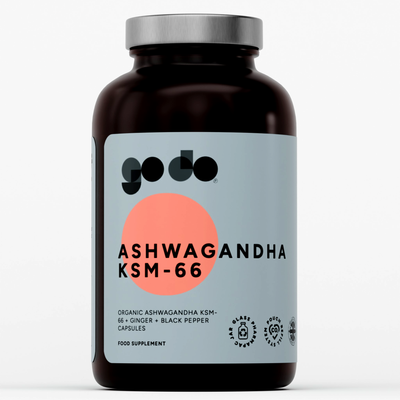
Fitness Health offers high-quality ashwagandha capsules, which are specifically designed to modulate the cortisol response. Ashwagandha is one of the most researched herbal supplements for stres, shown to support the adrenal glands and encourage a shift toward parasympathetic dominance. By lowering circulating cortisol, these supplements allow the body to exit the "emergency" mode and begin the recovery process.
Manage Light and Environment
Your nervous system uses environmental cues to determine if it is safe.
- View Morning Sunlight: Within 30 minutes of waking, get outside. This sets your circadian rhythm and helps regulate cortisol production.
- Minimize Blue Light at Night: Use amber-tinted glasses or red-light settings on devices to signal to your brain that the day is over.
- Nature Exposure: Even 10 minutes of walking in a park can significantly lower sympathetic activity compared to walking on a busy city street.

Summary Checklist: Are You Sympathetic Dominant?
Use this quick reference to assess your current state. If you check more than five, it’s time to prioritize recovery.
- Resting heart rate is 5+ BPM higher than normal.
- Hands and feet are often cold to the touch.
- You feel "tired but wired" at bedtime.
- You experience frequent bloating or indigestion.
- You are easily startled by sudden noises.
- Your HRV (Heart Rate Variability) is trending downward.
- You have persistent tension in your neck, jaw, or shoulders.
- You feel overstimulated by bright lights or loud environments.
Recovery is not a sign of weakness; it is a physiological requirement for performance and longevity. By recognizing the signs of sympathetic dominance early and utilizing tools like breathwork and ashwagandha capsules, you can protect your health and ensure your nervous system remains a tool for performance rather than a source of chronic strain.
For more information on supporting your recovery, explore our Antioxidants collection or check our FAQs for guidance on starting a new supplement protocol.