GLP-1 receptor agonists like semaglutide (Ozempic, Wegovy) and tirzepatide (Mounjaro, Zepbound) have transformed weight management for millions of people worldwide. These medications work by mimicking natural hormones that regulate appetite and blood sugar, leading to significant weight loss results that were previously difficult to achieve through diet and exercise alone.
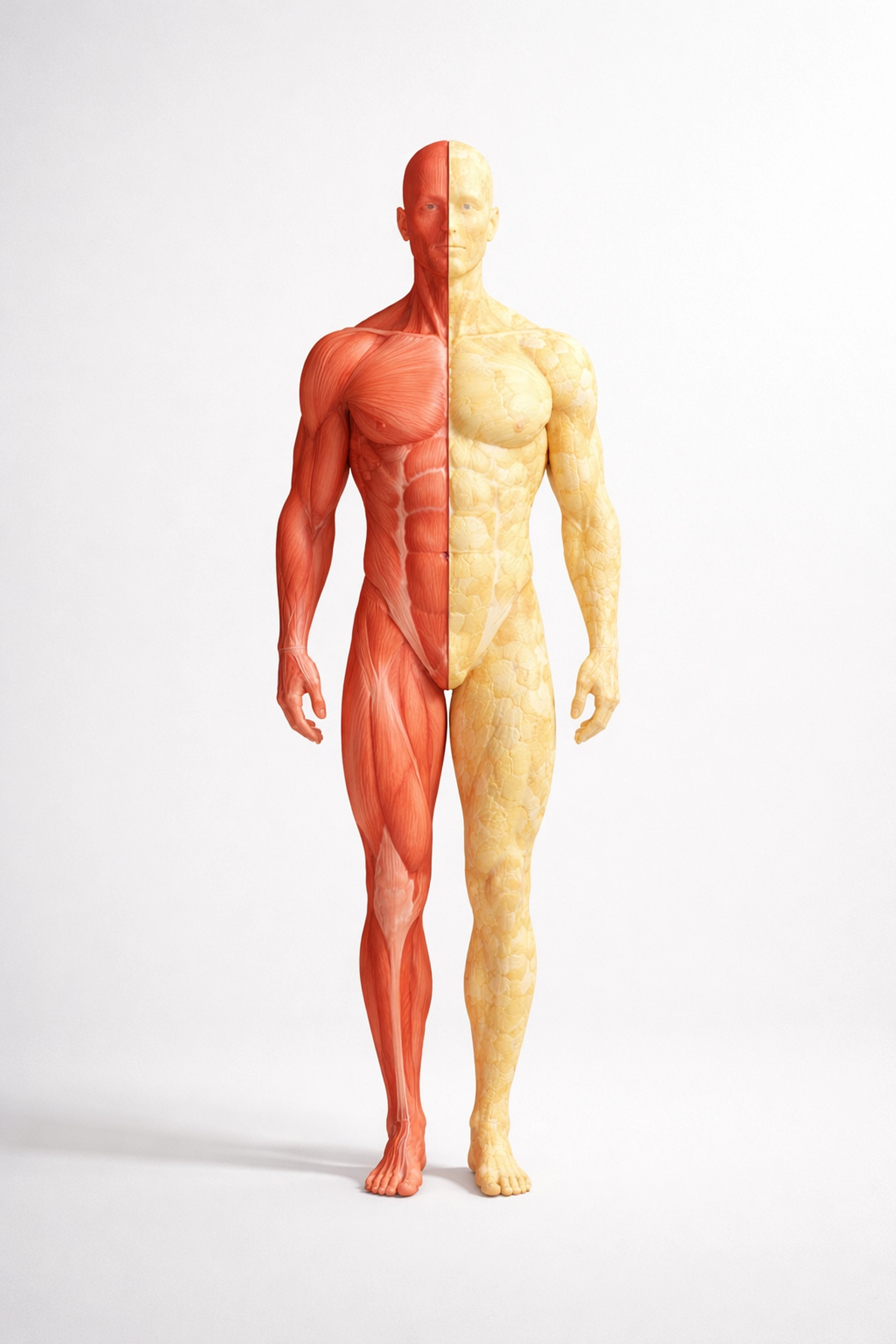
However, there is a critical concern that anyone on these medications needs to address: muscle loss. Research shows that as much as 40% of weight lost on GLP-1 drugs can come from lean muscle mass rather than fat. This creates a serious problem for long-term health, metabolic function, and physical strength.
The good news is that muscle loss is not inevitable. With the right combination of resistance training, adequate protein intake, and strategic supplementation, individuals can protect their hard-earned muscle while still achieving their weight loss goals.
Why GLP-1 Medications Cause Muscle Loss
Understanding why muscle loss occurs during GLP-1 treatment helps explain why specific countermeasures are so effective.
When the body loses weight through any method, it does not exclusively burn fat. During conventional weight loss, research indicates that 20–35% of total weight lost typically comes from lean tissue regardless of the approach used. This happens because:
- The brain requires glucose for fuel. Fat cannot be directly converted to glucose, so the body breaks down muscle tissue to meet this demand.
- Reduced calorie intake triggers metabolic adaptations. The body perceives weight loss as a potential threat and begins conserving energy by reducing metabolically active tissue.
- Appetite suppression from GLP-1 medications reduces overall food intake. This often means protein consumption drops below the threshold needed to maintain muscle mass.
Studies on GLP-1 therapy specifically show that approximately 20–30% of weight loss comes from lean mass: comparable to or slightly better than diet-only approaches, but still a significant amount for individuals concerned about preserving strength and metabolic health.
The Real-World Impact of Sarcopenia
Sarcopenia: the progressive loss of muscle mass and function: carries consequences that extend far beyond aesthetics. Muscle tissue plays several critical roles:
- Metabolic regulation: Muscle is the primary site for glucose disposal and significantly influences resting metabolic rate
- Bone health: Muscle contractions stimulate bone density maintenance
- Functional independence: Adequate muscle mass is essential for daily activities, balance, and fall prevention
- Longevity: Higher muscle mass correlates with improved health outcomes across multiple studies
For individuals using GLP-1 medications, protecting muscle is not optional: it is essential for ensuring that weight loss translates into genuine health improvements rather than just a lower number on the scale.
Evidence-Based Strategies for Muscle Preservation
Current research identifies two primary strategies that provide the greatest benefit for preserving lean body mass during GLP-1 treatment: resistance training and high protein intake. Combining these approaches yields better results than either strategy alone.
Resistance Training: The Non-Negotiable Foundation
Patients who engage in regular resistance exercise from the initiation of GLP-1 treatment and maintain it throughout have the best outcomes for preserving lean body mass while maximising fat loss.
Key training guidelines:
- Train all major muscle groups 2–3 times per week
- Focus on compound movements: squats, deadlifts, rows, presses, and pulls
- Use progressive overload: gradually increase weight, reps, or sets over time
- Allow adequate recovery between sessions (48–72 hours per muscle group)
Even individuals new to strength training can make significant progress. Starting with bodyweight exercises or resistance bands provides an accessible entry point before progressing to free weights.

Protein Intake: The 2g Per Kilogram Target
Protein intake becomes critically important during GLP-1 treatment because amino acids from dietary protein spare muscle tissue that would otherwise be broken down to meet the body's glucose needs.
The recommended target: 2 grams of protein per kilogram of body weight daily.
For a 75kg individual, this translates to 150 grams of protein per day. For an 85kg individual, the target is 170 grams daily.
This is a substantial amount of protein, and the appetite-suppressing effects of GLP-1 medications can make hitting these targets challenging. Strategic meal planning and supplementation become essential tools.
Practical protein sources include:
| Food Source | Protein Content (approx.) |
|---|---|
| Chicken breast (150g) | 46g |
| Greek yoghurt (200g) | 20g |
| Eggs (3 large) | 18g |
| Lentils (200g cooked) | 18g |
| Whey protein shake | 20–25g |
| Vegan protein shake | 20–25g |
For those looking to boost their morning protein intake, high-protein breakfasts provide an excellent foundation. Check out these quick and easy high-protein breakfast ideas to start the day right.
Control the Pace of Weight Loss
The speed at which weight comes off significantly impacts muscle retention. Gradual reduction of 1–2 pounds (0.5–1kg) weekly typically allows better muscle retention compared to rapid loss, which creates more dramatic hormonal shifts that accelerate lean tissue breakdown.
Working with a healthcare provider to adjust GLP-1 dosing appropriately can help manage the pace of weight loss while still achieving meaningful results.
The Role of Supplements in Muscle Preservation
While whole food protein sources should form the foundation of any nutrition plan, supplements serve a practical purpose: especially when appetite is suppressed and consuming large meals feels difficult.

Branched-Chain Amino Acids (BCAAs)
BCAAs: leucine, isoleucine, and valine: are the three essential amino acids most directly involved in muscle protein synthesis. Research on low-carbohydrate, protein-sparing diets suggests that maintaining adequate BCAA levels may help block the glucose-alanine cycle, which normally causes these amino acids to be expelled from muscle tissue during weight loss.
Supplementing with BCAAs around training sessions can provide targeted support when it matters most.
High-Quality Protein Powders
For individuals struggling to meet their daily protein targets through food alone, a high-quality protein powder offers a convenient solution. Whether choosing whey-based options or vegan protein supplements, the key is selecting products that deliver adequate protein per serving without unnecessary fillers or additives.
Fitness Health offers a range of UK-made protein supplements designed to support muscle maintenance and recovery. All products come in eco-friendly packaging, reflecting a commitment to both quality and environmental responsibility.
Timing Considerations
Distributing protein intake evenly across 4–5 meals throughout the day optimises muscle protein synthesis better than consuming the majority in one or two large meals. For those on GLP-1 medications who find large portions difficult, this approach aligns well with eating smaller, more frequent meals.
Emerging Research: What the Future Holds
The scientific community is actively researching solutions for GLP-1-related muscle loss. Research presented in 2025 showed promising results for bimagrumab, an experimental muscle-preserving drug. When combined with semaglutide, bimagrumab caused nearly 93% of weight loss to come from fat alone, compared to 72% for semaglutide alone.
While these treatments are not yet widely available, they demonstrate that targeted muscle preservation during GLP-1 therapy is an active area of medical research.
Key Takeaways
Protecting muscle mass while on GLP-1 medications is achievable with a proactive approach:
- Prioritise resistance training from day one and maintain consistency throughout treatment
- Hit the protein target of 2 grams per kilogram of body weight daily
- Use supplements strategically: BCAAs and protein powders can fill gaps when appetite is low
- Control the pace of weight loss to 1–2 pounds per week when possible
- Distribute protein intake across multiple meals throughout the day
The goal is not simply to lose weight: it is to lose fat while preserving the muscle mass that supports metabolism, strength, and long-term health. With the right strategy, individuals on GLP-1 medications can achieve both.