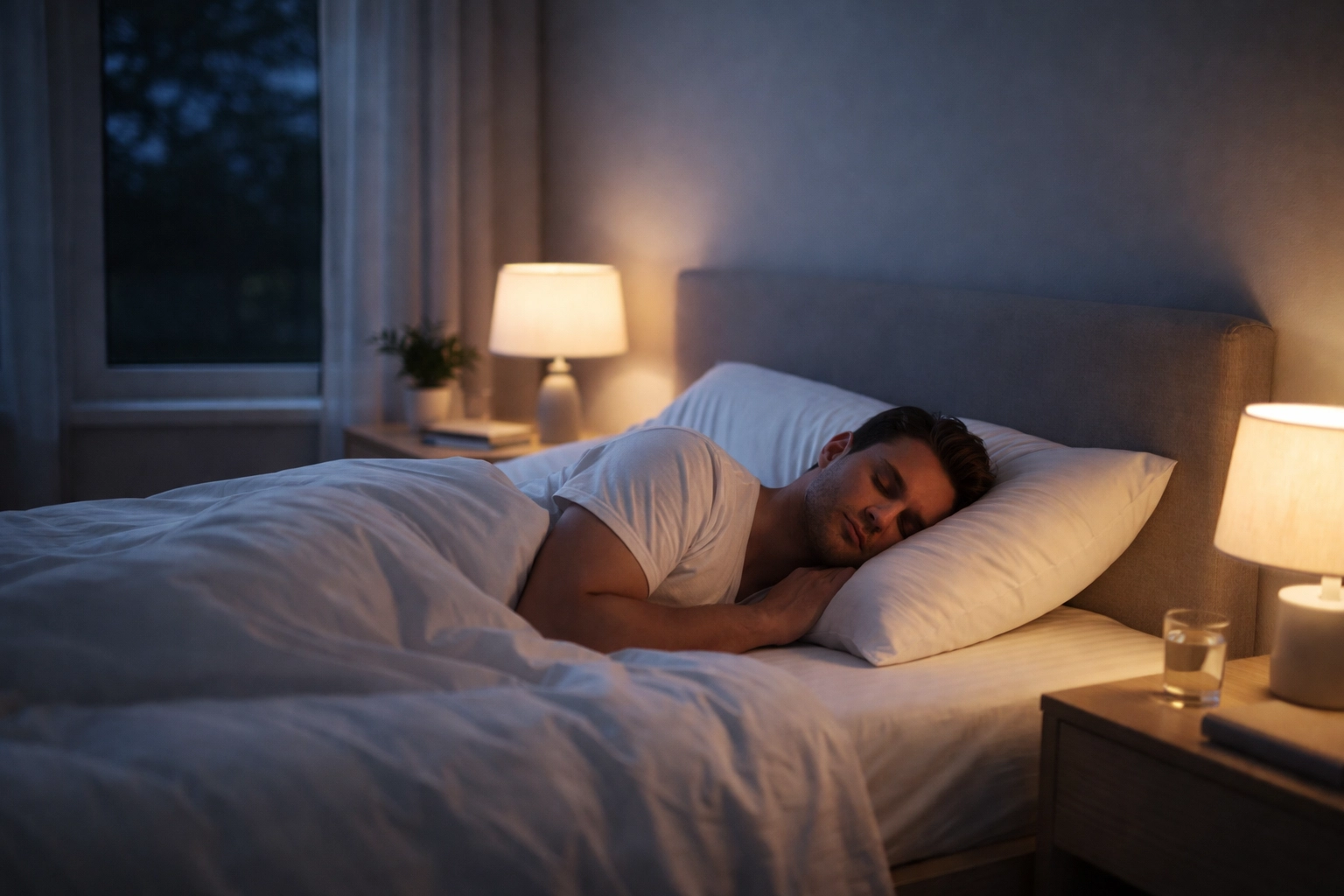
You can train hard, eat clean, and stay consistent: but if your sleep is rubbish, you're leaving gains on the table. Here's the thing: your body doesn't build muscle in the gym. It builds muscle while you're horizontal, eyes closed, dreaming about your next PR.
During sleep, your body releases growth hormones that repair muscle tissue, consolidate motor learning, and restore your nervous system. Skip quality sleep, and you're essentially working against yourself. Even a single night of poor rest can tank your reaction time, mood, and muscle recovery.
The good news? You can hack your sleep to maximise recovery without adding hours to your schedule. These five strategies work while you're unconscious: so you wake up ready to train again.
Hack 1: Lock in 7-9 Hours of Quality Sleep
This isn't negotiable. Your body needs adequate time to cycle through the deep sleep stages where the real repair work happens. During these phases, growth hormone secretion peaks, protein synthesis ramps up, and your muscles actually rebuild from the micro-tears you created during training.
What the research says:
- Most adults need 7-9 hours per night
- Athletes on intense training programmes may benefit from up to 10 hours
- Consistency matters as much as duration: irregular sleep patterns disrupt your circadian rhythm
How to implement this:
- Set a non-negotiable bedtime and wake time, even on weekends
- Work backwards from your wake-up time to determine when you need to be asleep
- Give yourself a 30-minute buffer to actually fall asleep
If you're currently averaging 6 hours, don't jump straight to 9. Add 15-30 minutes per week until you reach your target. Your body adapts better to gradual changes.
Hack 2: Use Magnesium to Relax Your Nervous System
Magnesium is involved in over 300 enzymatic reactions in your body, including muscle contraction, protein synthesis, and: crucially: nervous system regulation. Most people in the UK are deficient without realising it, and athletes lose additional magnesium through sweat.
Here's why it matters for sleep: magnesium activates the parasympathetic nervous system (your "rest and digest" mode) and helps regulate melatonin, the hormone that guides your sleep-wake cycle. Low magnesium levels are linked to restless sleep, frequent waking, and difficulty falling asleep.
Practical application:
- Timing: Take magnesium 30-60 minutes before bed
- Dosage: 200-400mg of elemental magnesium is typical for sleep support
- Form: Magnesium glycinate and magnesium threonate are better absorbed and less likely to cause digestive issues
At Fitness Health, our Zinc Magnesium Vitamin B6 (ZMA) tablets combine magnesium with zinc and B6: a formula specifically designed to support recovery and sleep quality. All our supplements are UK-made with eco-conscious packaging, so you're supporting both your body and the environment.
Signs you might be magnesium deficient:
- Muscle cramps or twitches, especially at night
- Difficulty falling or staying asleep
- Feeling wired but tired
- Increased stress or anxiety
Hack 3: Manage Light Exposure Like a Pro
Your body's internal clock (circadian rhythm) takes its primary cue from light. Get this wrong, and you'll struggle to fall asleep no matter how tired you feel. Get it right, and your body will naturally wind down at the appropriate time.
Morning light exposure:
Expose your eyes to bright light within 30 minutes of waking. This triggers a cortisol spike (the healthy kind) that:
- Increases alertness
- Sets a timer for melatonin release roughly 14-16 hours later
- Improves mood and energy throughout the day
Step outside for 10-15 minutes, even on cloudy days. Overcast UK mornings still provide significantly more lux than indoor lighting.

Evening light restriction:
The flip side is equally important. Blue light from screens suppresses melatonin production by up to 50%, making it harder to fall asleep and reducing sleep quality once you do.
Action steps:
- Stop using phones, tablets, and computers 60-90 minutes before bed
- If you must use devices, enable night mode or wear blue-light blocking glasses
- Dim household lights after sunset: your body interprets bright overhead lights as "daytime"
- Consider using amber or red-toned bulbs in your bedroom
Hack 4: Optimise Your Sleep Environment
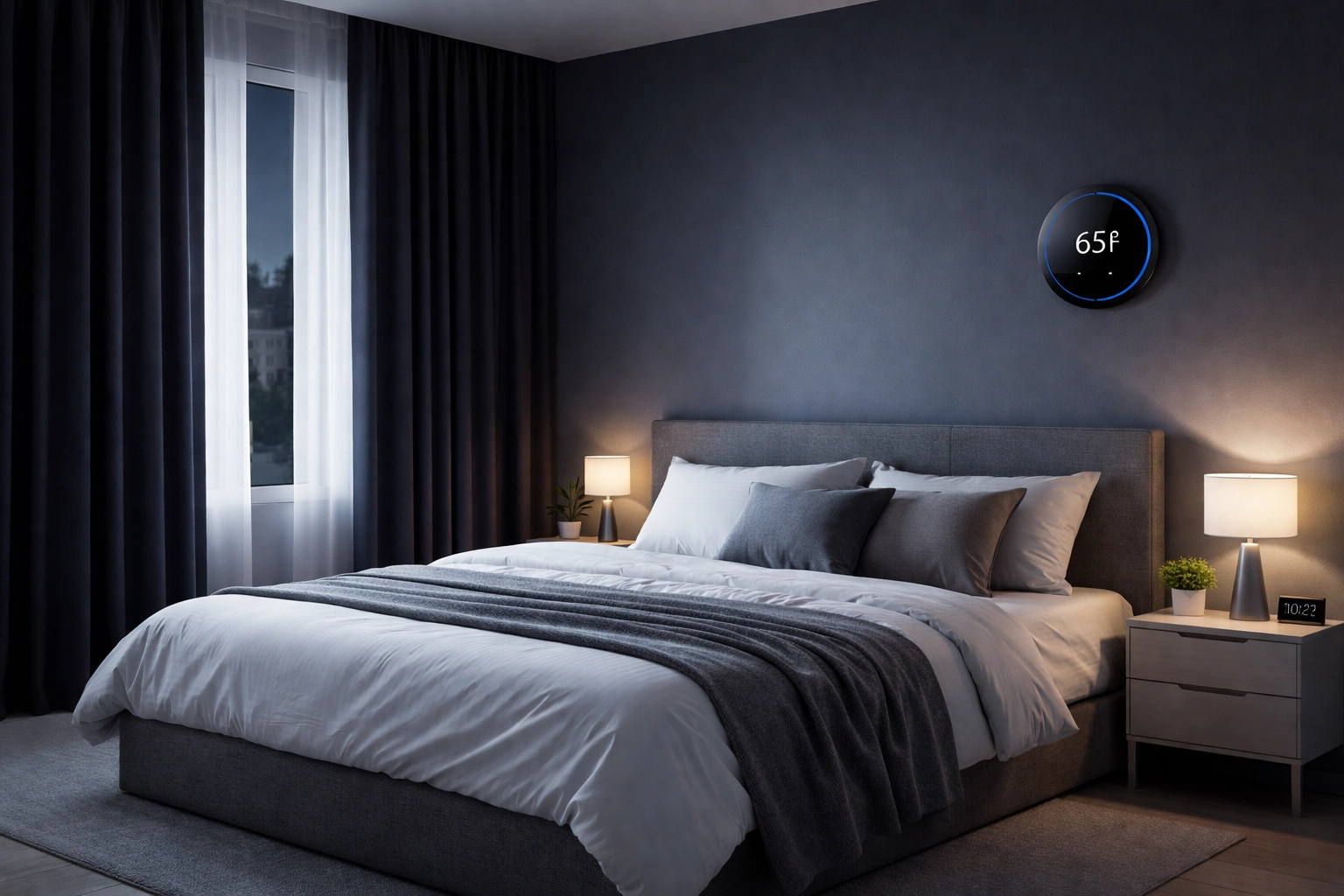
Your bedroom should be a sleep sanctuary, not a multi-purpose room with distractions. The ideal sleep environment is dark, quiet, and cool.
Temperature:
Your core body temperature needs to drop by about 1-2°C to initiate sleep. A room that's too warm prevents this natural cooling process. Aim for 16-19°C (60-67°F). If that feels cold, use breathable bedding rather than cranking the heating.
Darkness:
Even small amounts of light: from standby LEDs, street lamps, or early sunrise: can disrupt melatonin production. Invest in blackout curtains or a quality sleep mask. Cover or remove any light-emitting devices from your bedroom.
Sound:
Consistent background noise (white noise, a fan) is fine. Intermittent noise (traffic, notifications, a partner's snoring) disrupts sleep architecture. Use earplugs or a white noise machine if your environment isn't quiet.
The stress factor:
Cortisol, your primary stress hormone, should be low at night and high in the morning. Chronic stress flips this pattern, making it hard to wind down. Consider a 5-10 minute pre-bed routine:
- Deep breathing (4 counts in, 7 counts hold, 8 counts out)
- Light stretching or gentle yoga
- Journaling to offload thoughts
For additional support managing stress, check out our guide on supplements for mental health.
Hack 5: Start Tomorrow Right With a High-Protein Breakfast
This hack technically happens after you wake up, but it directly impacts your next night's sleep and maximises the recovery work your body did overnight. Protein consumed in the morning:
- Provides amino acids to continue muscle protein synthesis
- Stabilises blood sugar, preventing energy crashes
- Influences evening melatonin production through tryptophan availability
The 4-egg omelette approach:
A 4-egg omelette delivers approximately 24-28g of high-quality protein, plus essential fats and micronutrients. Add vegetables for fibre and additional nutrients.
Sample recovery breakfast:
| Component | Protein Content |
|---|---|
| 4 large eggs | 24g |
| 30g cheese | 7g |
| Handful of spinach | 1g |
| 2 slices wholegrain toast | 8g |
| Total | ~40g |
This single meal covers roughly half of most people's daily protein needs and sets you up for sustained energy.
For more breakfast ideas that support recovery and performance, check out our high-protein breakfast guide.
Putting It All Together
Recovery doesn't require complicated protocols or expensive equipment. It requires consistency with the basics: and sleep is the most basic (yet most neglected) recovery tool available.
Your nightly checklist:
- 7-9 hours of sleep scheduled
- Magnesium taken 30-60 minutes before bed
- Screens off 60+ minutes before sleep
- Bedroom dark, cool, and quiet
- High-protein breakfast prepped for morning
Start with one or two of these hacks this week. Once they become automatic, add another. Within a month, you'll notice improved recovery, better training performance, and more consistent energy throughout the day.
Your muscles grow while you sleep. Your nervous system recovers while you sleep. Your brain consolidates everything you learned in training while you sleep. Treat sleep like the performance-enhancing tool it is, and you'll wake up ready to train harder than ever.