Magnesium ranks among the most essential minerals in the human body, involved in over 300 enzymatic reactions. Yet not all magnesium supplements deliver the same results: particularly when it comes to brain health. Magnesium threonate has emerged as a standout form, developed specifically to target cognitive function in ways other magnesium types simply cannot match.
This specialised compound, originally developed by researchers at MIT, offers something unique: the ability to effectively cross the blood-brain barrier and deliver magnesium directly to brain cells. For anyone seeking sharper memory, better focus, improved sleep, or reduced anxiety, understanding how magnesium threonate works could prove transformative.
What Makes Magnesium Threonate Different?
Magnesium threonate is formed by binding elemental magnesium with threonate, a compound derived from vitamin C metabolism. This pairing fundamentally changes how the body processes and utilises the mineral.
The blood-brain barrier serves as a highly selective membrane that protects the brain from potentially harmful substances in the bloodstream. While this protection proves essential for brain health, it also creates challenges for supplementation: many compounds simply cannot pass through efficiently.

Magnesium threonate overcomes this obstacle. Research demonstrates that this form increases magnesium concentrations in the brain more effectively than other magnesium supplements, making it particularly valuable for cognitive support.
Once inside the brain, magnesium threonate:
- Increases synaptic density in the hippocampus, the brain region responsible for learning and memory
- Supports neurotransmitter function, particularly glutamate and GABA regulation
- Boosts brain-derived neurotrophic factor (BDNF), a protein crucial for brain cell growth and maintenance
- Reduces neuroinflammation by blocking harmful inflammatory pathways
These mechanisms combine to create measurable improvements in cognitive performance that other magnesium forms struggle to replicate.
Magnesium Threonate vs. Other Forms: A Direct Comparison
Understanding how magnesium threonate stacks up against other popular forms helps clarify when and why to choose this specific supplement.
Magnesium Citrate
Magnesium citrate offers excellent bioavailability and absorbs well in the digestive tract. The body uses it efficiently for general magnesium replenishment, muscle function, and bowel regularity. However, citrate does not cross the blood-brain barrier effectively. Those seeking digestive support or addressing general magnesium deficiency often find citrate suitable, but it falls short for targeted cognitive benefits.
Magnesium Glycinate
Magnesium glycinate combines magnesium with glycine, an amino acid with calming properties. This form absorbs well, causes minimal digestive upset, and provides good overall relaxation support. Many people use it for sleep and muscle relaxation. While glycinate offers some mood benefits due to the glycine component, it still lacks the brain-penetrating capabilities of threonate.
Magnesium Threonate
Magnesium threonate specifically targets brain health. The lower elemental magnesium content compared to other forms means it may not address systemic magnesium deficiency as efficiently. However, for cognitive enhancement, memory support, and neuroprotection, threonate remains unmatched.
| Form | Best For | Blood-Brain Barrier Penetration |
|---|---|---|
| Citrate | Digestion, general deficiency | Low |
| Glycinate | Sleep, muscle relaxation | Moderate |
| Threonate | Cognitive function, memory | High |
Cognitive Function and Memory Enhancement
The cognitive benefits of magnesium threonate stem from its direct action on brain structures involved in learning and memory.
Research shows that adequate brain magnesium levels strengthen synaptic connections: the communication pathways between neurons. Stronger synapses translate to better information processing, faster recall, and improved learning capacity.
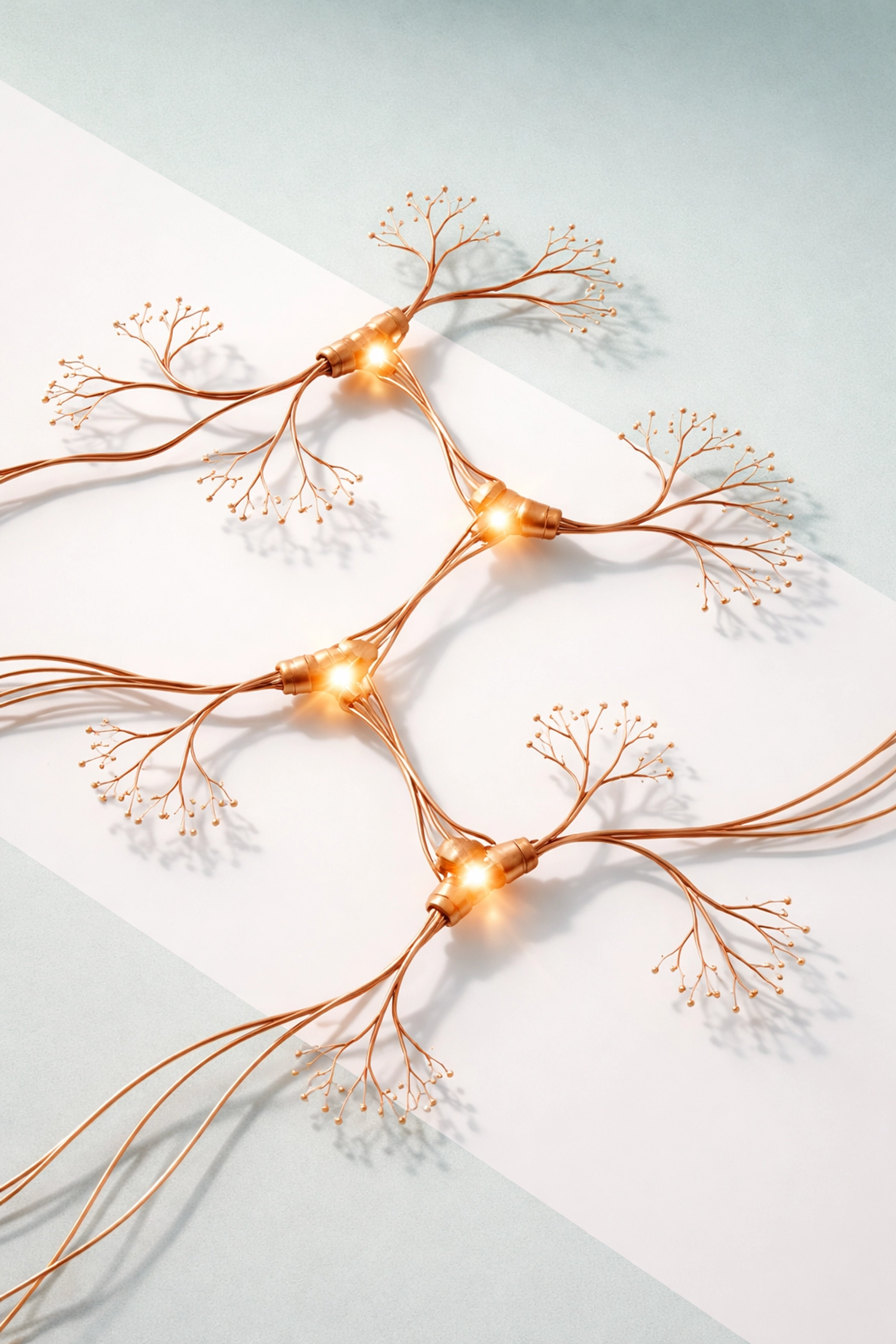
Studies indicate that magnesium threonate supplementation may:
- Improve working memory: The ability to hold and manipulate information in real-time
- Enhance long-term memory consolidation: Moving information from short-term to permanent storage
- Support neural plasticity: The brain's capacity to form new connections throughout life
- Sharpen mental clarity: Faster decision-making and problem-solving abilities
These cognitive improvements extend beyond desk work. Athletes tracking metrics like average 100m freestyle time often find that mental focus and coordination directly impact performance. Swimmers working to improve their average 100 meter swim time understand that reaction speed, stroke timing, and tactical decisions during a race require peak cognitive function: areas where optimised brain magnesium levels may offer an edge.
Sleep Quality Improvements
Quality sleep and cognitive function share a bidirectional relationship. Poor sleep impairs memory and focus; inadequate brain magnesium can disrupt sleep architecture. Magnesium threonate addresses both sides of this equation.
The compound influences sleep through several mechanisms:
- GABA regulation: Magnesium activates GABA receptors, promoting the calm brain state necessary for sleep initiation
- Cortisol modulation: Helps regulate the stress hormone that can interfere with sleep when elevated at night
- Sleep architecture enhancement: Research suggests improvements in both deep sleep and REM sleep stages
- Morning alertness: Users often report waking more refreshed, likely due to improved sleep quality rather than sedation
Unlike some sleep aids that cause grogginess, magnesium threonate supports natural sleep patterns without next-day impairment.
Anxiety and Stress Reduction
Chronic stress depletes magnesium stores while simultaneously increasing the body's magnesium requirements: a problematic cycle that many people experience without realising the underlying cause.

Magnesium threonate helps break this cycle by:
- Reducing neuroinflammation associated with chronic stress
- Supporting healthy HPA axis function (the body's central stress response system)
- Modulating excitatory neurotransmitters that contribute to anxious feelings
- Promoting the relaxation response through GABA enhancement
Those dealing with high-pressure careers, demanding training schedules, or general life stress often find magnesium supplementation: particularly brain-targeted forms: provides meaningful relief without the side effects associated with pharmaceutical interventions.
Who Benefits Most From Magnesium Threonate?
While magnesium threonate can support anyone seeking cognitive optimisation, certain groups may experience particularly notable benefits:
Students and professionals facing demanding mental workloads often notice improvements in focus, information retention, and mental stamina during extended study or work sessions.
Aging adults represent a key demographic, as research suggests that 2,000 milligrams of magnesium threonate daily for 30 days may improve cognition in older individuals experiencing age-related decline.
Athletes and active individuals benefit from the cognitive aspects of performance: reaction time, coordination, strategic thinking during competition, and recovery quality through improved sleep.
Those managing chronic stress find that addressing the magnesium depletion caused by ongoing stress helps restore baseline cognitive function and emotional regulation.
Poor sleepers often discover that better brain magnesium levels lead to more restorative sleep without the dependency risks of conventional sleep medications.
Practical Supplementation Guidelines
For those considering magnesium threonate supplementation, the following guidelines apply:
- Typical dosage: 1,000-2,000mg of magnesium threonate daily (providing approximately 144mg elemental magnesium at the higher dose)
- Timing: Many users split doses between morning and evening, with the evening dose supporting sleep
- Duration: Cognitive benefits typically become noticeable after 2-4 weeks of consistent use
- Combination: Magnesium threonate can complement other magnesium forms when addressing both cognitive and systemic needs
For those looking to support overall magnesium intake alongside other essential nutrients, Fitness Health's Zinc Magnesium B6 (ZMA) tablets provide a complementary option for muscle recovery and general wellness, while brain-specific magnesium threonate addresses cognitive targets.
Those interested in a broader approach to mental wellness may also benefit from exploring comprehensive supplement strategies for mental health.
Key Takeaways
Magnesium threonate stands apart from other magnesium supplements due to its unique ability to cross the blood-brain barrier and directly support brain health. The evidence points to meaningful benefits for memory, cognitive function, sleep quality, and stress management.
Quick summary:
- Magnesium threonate was developed specifically to increase brain magnesium levels
- It crosses the blood-brain barrier more effectively than citrate or glycinate forms
- Benefits include improved memory, enhanced focus, better sleep, and reduced anxiety
- Most suitable for cognitive support rather than addressing general magnesium deficiency
- Consistent supplementation over several weeks typically yields the best results
For anyone prioritising brain health alongside physical fitness, magnesium threonate represents one of the most targeted and evidence-backed options available.