

You've just finished your 100m freestyle and glanced at the clock. Now you're wondering: is that actually good for my age?
Whether you're a triathlete, a fitness swimmer, or someone getting back in the pool after years away, knowing your average 100m swim time by age gives you a clear benchmark. It helps you set realistic goals and track genuine progress.
Let's break down the numbers, explain why age matters, and show you exactly where you stand.
What's Considered a "Good" Average 100 Meter Swim Time?
Before we get into age-specific data, here's the general picture:
- Beginner swimmers: 1:45 to 2:15 or longer
- Intermediate swimmers: 1:20 to 1:35
- Advanced/competitive swimmers: Under 1:20
These ranges apply to the 100m freestyle in a long course (50-metre) pool. Short course times (25-metre pools) tend to be slightly faster due to more wall push-offs.
Your average 100m freestyle time depends on three main factors: age, training experience, and technique efficiency. Age is the one you can't control: but understanding its impact helps you set smarter targets.
Average 100m Swim Time by Age: The Full Breakdown
Here's a detailed look at typical 100m freestyle times across different age groups. These figures reflect recreational and club-level swimmers, not elite athletes.
Children and Teens (Ages 8–19)
| Age Group | Beginner | Intermediate | Advanced |
|---|---|---|---|
| 8–10 | 2:00 – 2:30 | 1:40 – 2:00 | 1:20 – 1:40 |
| 11–13 | 1:45 – 2:15 | 1:25 – 1:45 | 1:10 – 1:25 |
| 14–15 | 1:35 – 2:00 | 1:15 – 1:35 | 1:00 – 1:15 |
| 16–19 | 1:30 – 1:50 | 1:10 – 1:30 | 0:55 – 1:10 |
Young swimmers typically see rapid improvement year-on-year. Growth spurts, increased strength, and better technique refinement all contribute to faster times during the teenage years.
Adults (Ages 20–49)
| Age Group | Beginner | Intermediate | Advanced |
|---|---|---|---|
| 20–24 | 1:34 – 2:00 | 1:20 – 1:34 | 1:00 – 1:20 |
| 25–29 | 1:35 – 2:05 | 1:22 – 1:35 | 1:02 – 1:22 |
| 30–34 | 1:38 – 2:10 | 1:25 – 1:38 | 1:05 – 1:25 |
| 35–39 | 1:40 – 2:15 | 1:28 – 1:40 | 1:08 – 1:28 |
| 40–44 | 1:45 – 2:20 | 1:32 – 1:45 | 1:12 – 1:32 |
| 45–49 | 1:50 – 2:25 | 1:36 – 1:50 | 1:16 – 1:36 |
Peak swimming performance typically occurs in the early-to-mid 20s. After 30, times gradually slow: but consistent training can minimise this decline significantly.
Masters Swimmers (Ages 50–70+)
| Age Group | Beginner | Intermediate | Advanced |
|---|---|---|---|
| 50–54 | 1:55 – 2:30 | 1:40 – 1:55 | 1:20 – 1:40 |
| 55–59 | 2:00 – 2:40 | 1:45 – 2:00 | 1:25 – 1:45 |
| 60–64 | 2:10 – 2:50 | 1:50 – 2:10 | 1:30 – 1:50 |
| 65–69 | 2:20 – 3:00 | 1:58 – 2:20 | 1:38 – 1:58 |
| 70+ | 2:30 – 3:30 | 2:05 – 2:30 | 1:45 – 2:05 |
Masters swimming data shows that swimmers who maintain regular training often outperform much younger recreational swimmers. Consistency beats age every time.
Why Does Age Affect Your 100m Swim Time?
Several physiological changes influence swimming speed as you age:
1. Muscle Mass Decline After age 30, you lose approximately 3–5% of muscle mass per decade. Less muscle means less power in your pull and kick.
2. Reduced Flexibility Shoulder and ankle flexibility decreases with age, affecting stroke length and kick efficiency. This is why mobility work becomes increasingly important.
3. Lower VO2 Max Your body's ability to use oxygen during exercise drops roughly 10% per decade after your mid-20s. This directly impacts endurance in the water.
4. Slower Recovery Older swimmers need more recovery time between hard sessions, which can limit training volume and intensity.
The good news? All of these factors respond positively to consistent training, proper nutrition, and smart recovery strategies.
How to Improve Your Average 100m Freestyle Time
Want to move up from beginner to intermediate: or shave seconds off your current personal best? Focus on these five areas:
1. Perfect Your Stroke Technique
Efficiency beats effort in swimming. Work on:
- High elbow catch during the pull phase
- Streamlined body position (hips near the surface)
- Bilateral breathing to balance your stroke
- Consistent kick tempo without over-kicking
Even small technique improvements can knock 5–10 seconds off your time without increasing effort.
2. Build Swim-Specific Endurance
Include these sessions in your weekly routine:
- Threshold sets: 4–6 x 100m at 80% effort with 20-second rest
- Sprint work: 8 x 25m at maximum effort with 30-second rest
- Distance swims: 400–800m continuous at moderate pace
Aim for 3–4 pool sessions per week for noticeable improvement.
3. Strengthen Your Core and Upper Body
Dry-land training supports your pool work. Focus on:
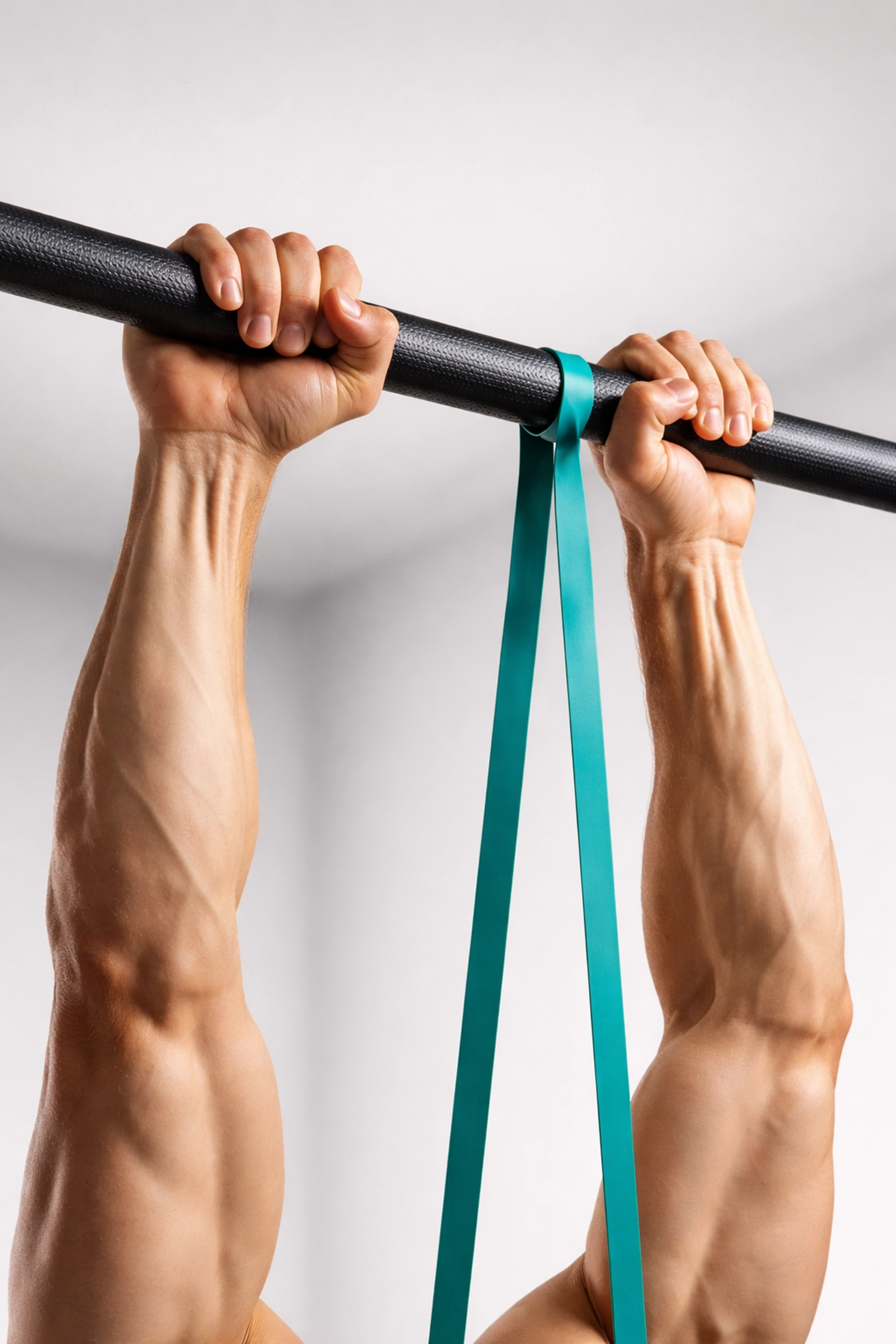
- Lat pulldowns and pull-ups (mimics the pull phase)
- Planks and rotational core exercises (stabilises body position)
- Shoulder mobility drills (prevents injury and improves reach)
4. Nail Your Starts and Turns
In a 100m race, your dive and turns account for roughly 25% of your total time. Practice:
- Explosive dive entries with tight streamline
- Flip turns with minimal glide time
- Powerful underwater dolphin kicks off the wall
5. Prioritise Recovery and Nutrition
Swimming is demanding on the shoulders, back, and cardiovascular system. Support your training with:
- Quality protein after each session to repair muscle tissue
- Omega-3 fatty acids to reduce inflammation and support joint health: Fitness Health's Omega 3 Fish Oil is UK-made and provides 1000mg per softgel
- Zinc and magnesium for muscle function and sleep quality: try Zinc Magnesium & Vitamin B6 (ZMA) for combined support
- Adequate sleep (7–9 hours) for optimal muscle repair and energy restoration
Check out our high-protein breakfast ideas for quick fuel before morning swim sessions.
How to Test Your 100m Swim Time Accurately
For a reliable benchmark, follow these steps:
- Warm up properly – 200–400m easy swimming plus some drills
- Use a long course pool if possible (50m) for standard comparison
- Start from a push or dive (be consistent each time you test)
- Swim at race effort – this means uncomfortable but sustainable
- Record your time and note the date, pool type, and how you felt
Test every 4–6 weeks to track progress without over-testing.
Where Do You Stack Up?
Compare your latest 100m freestyle time against the tables above. Be honest about your current level:
- Below beginner range: Focus on technique and consistency. Time in the water matters most right now.
- Within beginner range: You're building a solid foundation. Add structured sets to your routine.
- Intermediate range: Nice work. Refine technique details and increase training intensity.
- Advanced range: You're performing well. Consider working with a coach for marginal gains.
Remember: the average 100m swim time by age is just a reference point. Your real competition is your previous self.
Key Takeaways
- The typical average 100 meter swim time for recreational swimmers ranges from 1:45 to 2:15
- Peak performance occurs in your early 20s, with gradual decline after 30
- Consistent training can significantly offset age-related slowdowns
- Technique improvements often deliver bigger gains than fitness alone
- Recovery and nutrition: including quality supplements: support faster progress
Whether you're 25 or 65, there's always room to improve. Set your benchmark, train smart, and watch those seconds drop.


