Right, let me tell you about the time I watched my client she break through her deadlift plateau using nothing more than clever rest periods. She'd been stuck at 120kg for months: proper frustrated, she was. Then we introduced cluster sets, and within six weeks, she pulled 140kg like it was a warm-up. The secret? Sometimes it's not about training harder; it's about training smarter.
After two decades of coaching everyone from weekend warriors to competitive powerlifters, I've seen these advanced intensity techniques transform training plateaus into breakthrough moments. Cluster sets and rest-pause training aren't just fancy gym terms: they're precision tools that can revolutionise how you approach strength and muscle building.
Understanding the Fundamentals
Cluster sets break a traditional set into smaller mini-sets with brief intra-set rest periods, typically 15-30 seconds. Instead of performing 6 reps straight through, you might do 2+2+2 reps with 20 seconds between each mini-set.
Rest-pause training takes you to or near failure, then uses 10-20 second pauses to squeeze out additional reps within the same extended set. Think of it as refusing to let the set end when your muscles start screaming.
The fundamental difference? Cluster sets prevent failure to maintain quality, while rest-pause embraces failure to maximise metabolic stress.
The Science Behind Intra-Set Rest Periods
Here's what happens when you introduce those brief rest periods: your phosphocreatine system gets a chance to partially recharge. This isn't bro-science: it's basic exercise physiology.
During heavy lifting, your muscles rely primarily on the phosphocreatine system for immediate energy. This system depletes rapidly but also recovers quickly. Even 15-20 seconds of rest can restore 30-50% of your phosphocreatine stores, allowing you to maintain higher force output throughout the set.
I've tracked this with my competitive lifters using velocity-based training. Without cluster protocols, bar speed typically drops 20-30% from the first to last rep. With proper clustering, we maintain 90-95% of initial velocity throughout the entire set. That's the difference between quality reps and grinding through fatigue.
The metabolic benefits are equally impressive. Traditional straight sets create significant lactate accumulation and metabolic acidosis: that burning sensation that forces you to stop. Brief intra-set rests allow partial lactate clearance, extending your work capacity.
Cluster Set Protocols That Actually Work
After years of experimentation, here are the cluster protocols I've found most effective:
For Maximum Strength (85-95% 1RM)
- Format: 3-5 total reps as 1+1+1 or 2+2 with 15-20 seconds between mini-sets
- Rest between clusters: 3-4 minutes
- Example: 5 clusters of 3 reps (1+1+1) at 90% 1RM
For Strength-Hypertrophy (75-85% 1RM)
- Format: 6-9 total reps as 2+2+2 or 3+3+3 with 20-30 seconds between mini-sets
- Rest between clusters: 2-3 minutes
- Example: 4 clusters of 6 reps (2+2+2) at 80% 1RM
For Power Development (60-75% 1RM)
- Format: 6-12 total reps as 2+2+2+2 or 3+3+3+3 with 10-15 seconds between mini-sets
- Rest between clusters: 2-3 minutes
- Focus: Explosive concentric movement
The key is timing those intra-set rests precisely. I use a stopwatch religiously: eyeballing it defeats the purpose. My clients initially find this tedious, but the results speak for themselves.
Rest-Pause Training for Hypertrophy
Rest-pause training thrives on controlled suffering. It's particularly effective for hypertrophy because it maximises time under tension and metabolic stress: two primary drivers of muscle growth.
Here's my standard rest-pause protocol:
- Initial set: Perform 6-12 reps to technical failure (could do 1-2 more reps but form would break down)
- First pause: Rest 10-15 seconds
- Continuation: Perform as many quality reps as possible (typically 3-5)
- Second pause: Rest 10-15 seconds
- Final push: Squeeze out 2-4 more reps
I typically use this with isolation exercises like bicep curls, lateral raises, or leg extensions. The pump is incredible: like inflating a balloon inside the muscle. My client James calls it "the good hurt," and he's not wrong.
The load selection is crucial. Start with a weight you can handle for about 12 reps with perfect form. You'll finish with 18-25 total reps, creating massive metabolic stress without compromising joint safety.

When These Techniques Are Worth the Extra Complexity
Let me be brutally honest: beginners shouldn't touch these methods. If you can't perform 20 perfect press-ups or squat your bodyweight, focus on mastering basic movement patterns first.
Use Cluster Sets When:
- You've plateau'd on straight sets
- You want to accumulate volume at higher intensities
- You're preparing for competition and need to practice heavy singles
- You're working around minor injuries and need to manage fatigue carefully
Use Rest-Pause When:
- You're short on time but want maximum hypertrophy stimulus
- You're in a specialisation phase targeting specific muscles
- You've plateau'd with traditional sets and need a new growth stimulus
- You enjoy the mental challenge of pushing through discomfort
I had a client, Mark, who was completely stalled on his bench press. Three months of cluster sets took him from 90kg to 110kg: a 22% increase. But we only introduced these methods after he'd been training consistently for two years and mastered basic programming.
Programming Integration and Common Mistakes
Don't overuse these techniques. I see gym-goers trying to cluster every exercise in every session. That's a recipe for burnout. I typically use clusters for 1-2 main lifts per session, maximum.
Timing is everything. Use a stopwatch or timer app. Those "brief" rests have a sneaky way of becoming extended coffee breaks without proper timing.
Start conservative. Your ego will want to jump straight to maximum loads. Begin with 75-80% of your normal working weight and adjust based on performance.
Don't sacrifice form for reps. Rest-pause training can tempt you into ugly reps. I'd rather see 15 perfect reps than 25 sloppy ones.
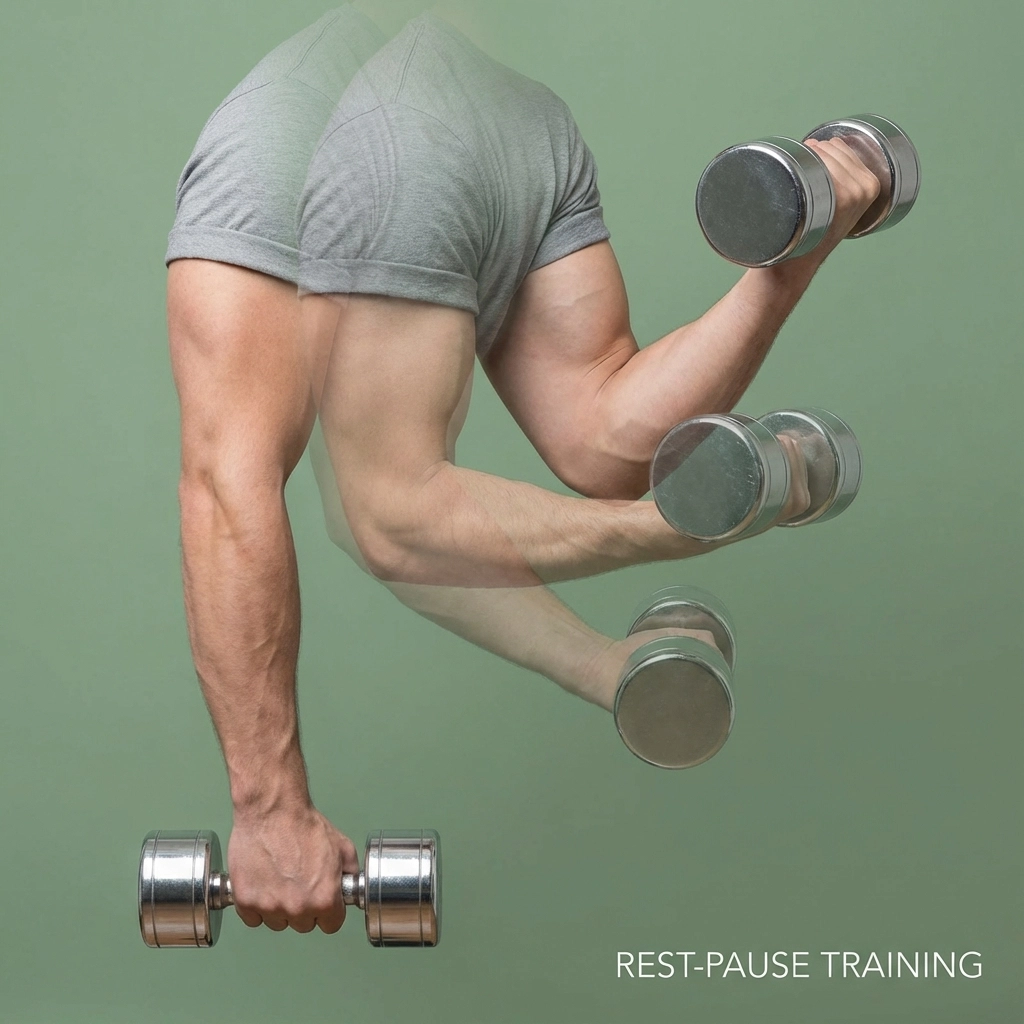
The biggest mistake I see is treating these as everyday methods. They're intensity techniques: special tools for specific situations. Use them strategically, not habitually.
The Bottom Line
Cluster sets and rest-pause training represent the evolution of basic programming into precision training. They're not magic bullets, but when applied intelligently, they can break through plateaus that seem insurmountable.
I've seen these techniques transform training careers. Sarah's deadlift breakthrough wasn't luck: it was the result of understanding when and how to manipulate rest periods for maximum effect.
Your muscles don't know if you're doing clusters or straight sets. They only understand tension, metabolic stress, and progressive overload. These techniques simply give you more tools to create those stimuli effectively.
Ready to take your training to the next level? Start with one cluster session per week, focusing on your weakest lift. Track your performance meticulously: bar speed, fatigue levels, and total volume. The data will tell the story.
Remember: advanced techniques require advanced commitment. Half-hearted application yields half-hearted results. But when you commit fully to the process, the transformation can be remarkable.
Time to get after it.