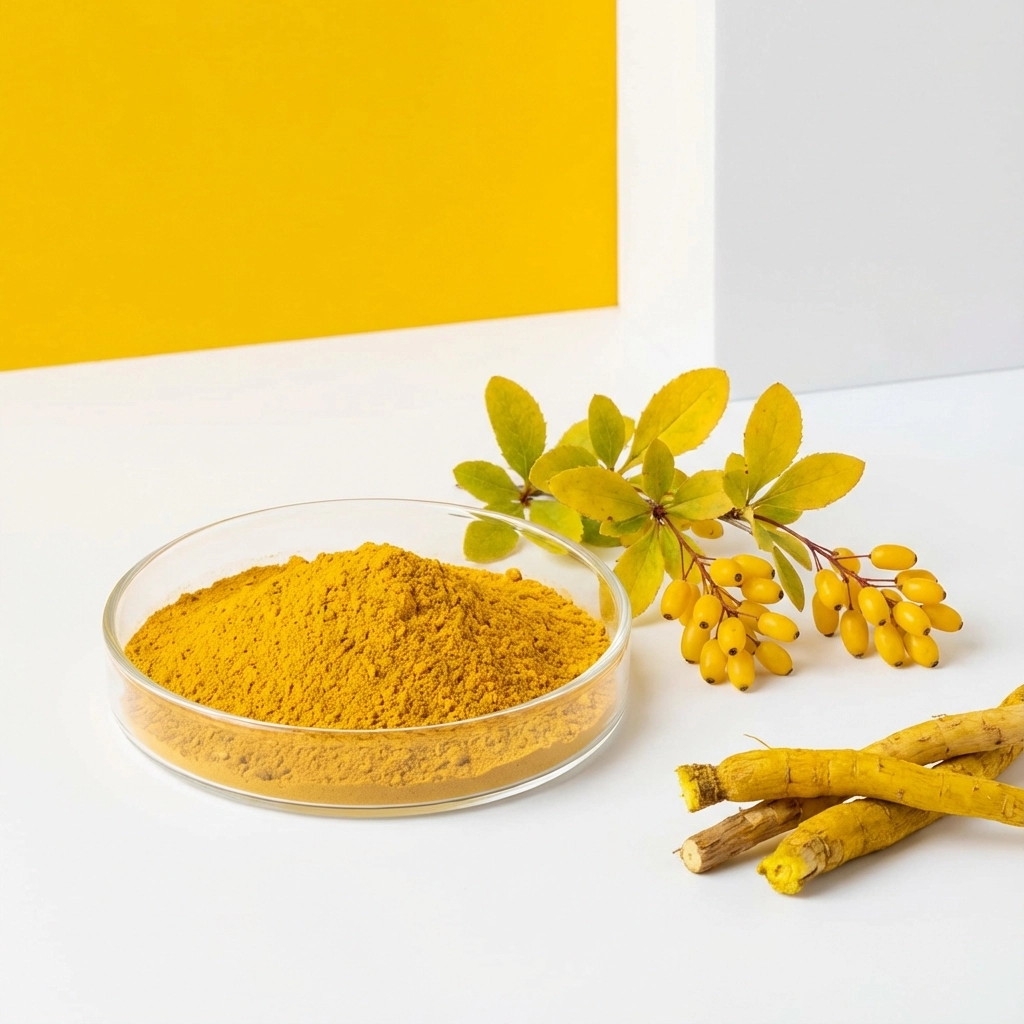
Scrolling through health-focused social media feeds lately reveals a familiar pattern: another ancient compound suddenly positioned as a modern miracle. Berberine, a yellow alkaloid extracted from plants like goldenseal and barberry, now carries the ambitious title of "Nature's Ozempic" across TikTok, Instagram, and wellness blogs. The comparison promises similar metabolic benefits to the diabetes medication that's become famous for dramatic weight loss results.
But does this traditional Chinese medicine ingredient actually deserve the comparison, or is this another case of social media amplifying modest benefits into revolutionary claims?
The Social Media Berberine Boom
The berberine trend follows a predictable wellness cycle. Influencers discover a compound with legitimate research backing, extrapolate beyond the evidence, and present it as a natural alternative to prescription medications. The "Nature's Ozempic" label specifically targets people interested in Ozempic's weight loss effects but seeking natural alternatives or unable to access the medication.

This positioning taps into several current health obsessions: distrust of pharmaceutical interventions, preference for "natural" solutions, and the desire for metabolic benefits without medical supervision. The marketing practically writes itself: ancient wisdom meets modern science, promising blood sugar control and weight management in a simple supplement.
However, the Ozempic comparison deserves scrutiny. Semaglutide (Ozempic's active ingredient) works as a GLP-1 receptor agonist, directly mimicking hormones that regulate blood sugar and slow gastric emptying. Berberine operates through entirely different mechanisms, making the comparison more marketing convenience than scientific accuracy.
What the Research Actually Shows
Unlike many trending supplements, berberine has substantial research backing its metabolic effects. A comprehensive meta-analysis examining 37 studies with 3,048 patients found statistically significant improvements in blood sugar markers. Participants experienced reductions in fasting blood glucose by 0.82 mmol/L, HbA1c by 0.63%, and two-hour post-meal glucose by 1.16 mmol/L.
These numbers represent meaningful but modest improvements: roughly equivalent to what patients might see with lifestyle changes or entry-level diabetes medications. Some individual studies reported more dramatic results, with berberine reducing fasting blood sugar levels by up to 20% and long-term blood sugar markers by 12%.

The compound works through multiple pathways simultaneously. Research indicates berberine increases insulin sensitivity, promotes insulin production in pancreatic cells, reduces glucose production in the liver, and slows carbohydrate absorption in the digestive tract. This multi-target approach explains its consistent effects across different studies and populations.
Particularly noteworthy is berberine's glucose-dependent action. Unlike some diabetes medications that can cause dangerous blood sugar drops, berberine only stimulates insulin secretion when blood glucose levels are elevated. This built-in safety mechanism means people without diabetes are unlikely to experience hypoglycemic episodes.
Berberine vs Metformin: A Fair Comparison
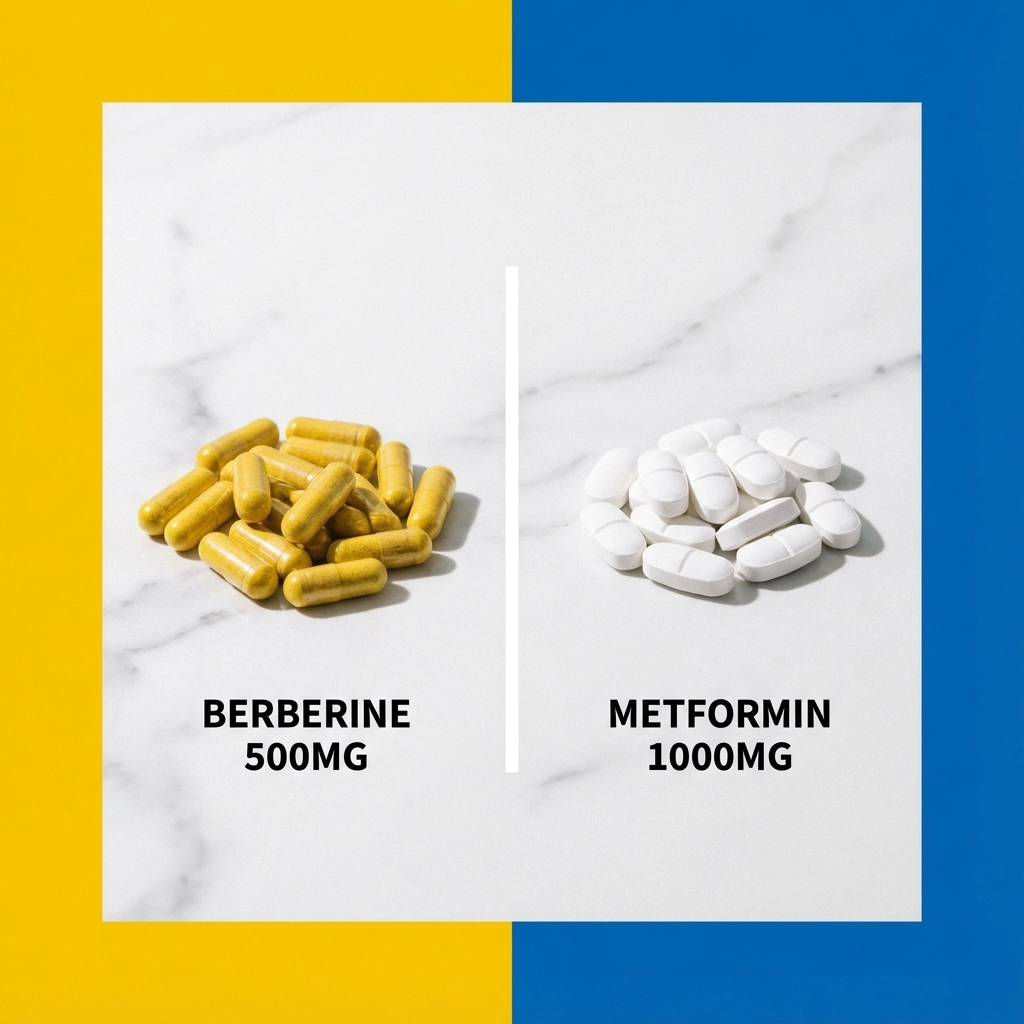
Several head-to-head studies have compared berberine directly to metformin, the first-line medication for type 2 diabetes. These comparisons are more scientifically valid than the Ozempic analogy, as both compounds primarily target blood sugar control rather than weight loss.
A pilot study involving patients with newly diagnosed type 2 diabetes found berberine decreased HbA1c by 2% and improved fasting blood glucose by 3.8 mmol/L: results comparable to metformin treatment. Other research suggests berberine may be "as effective as metformin" for managing blood sugar levels.
However, these comparisons come with important caveats. Metformin has decades of safety data and proven cardiovascular benefits beyond blood sugar control. Berberine studies, while promising, are generally shorter-term and smaller-scale. The long-term effects and optimal dosing strategies remain less established.
The side effect profiles also differ significantly. Metformin's primary issues involve gastrointestinal tolerance and potential B12 deficiency with long-term use. Berberine shares the digestive concerns but lacks metformin's extensive safety monitoring and established protocols for managing side effects.
Dosing, Side Effects, and Practical Considerations
Most berberine research uses doses between 900-1,500mg daily, typically divided into three doses taken with meals. This timing capitalises on the compound's glucose-lowering effects while potentially reducing digestive side effects.
The most common complaints involve gastrointestinal issues. Studies report that some participants experience diarrhea, vomiting, gastric reflux, or constipation. These effects often diminish with continued use or dose adjustments, but they can be significant enough to discontinue supplementation.
Unlike prescription medications, berberine supplements face minimal regulatory oversight in most countries, including the UK. Quality varies dramatically between manufacturers, with some products containing substantially different amounts than labeled. This inconsistency complicates dosing and makes it difficult to predict effects.
More concerning are potential drug interactions. Berberine can enhance the effects of blood sugar-lowering medications, potentially causing hypoglycemia when combined with insulin or sulfonylureas. It may also interact with blood thinners, blood pressure medications, and certain antibiotics.
Who Shouldn't Take Berberine
Several populations should avoid berberine entirely. Pregnant and breastfeeding women should not use berberine supplements, as safety data in these populations is lacking. People taking diabetes medications require medical supervision before adding berberine, given the risk of additive blood sugar-lowering effects.
Those with liver or kidney disease should exercise caution, as berberine metabolism depends on these organs. While studies haven't reported organ toxicity, the long-term effects in people with compromised liver or kidney function remain unknown.
Children and adolescents should also avoid berberine supplements unless specifically recommended by healthcare providers. The developing metabolic system may respond differently to the compound's multiple mechanisms of action.
The Verdict: Riding GLP-1 Coattails or Legitimate Alternative?
The evidence suggests berberine falls somewhere between these extremes. The compound has legitimate blood sugar-lowering effects supported by substantial research. For people with prediabetes or early type 2 diabetes, berberine might offer meaningful metabolic benefits.
However, the "Nature's Ozempic" marketing vastly overstates these benefits. Berberine doesn't produce the dramatic weight loss or appetite suppression associated with GLP-1 agonists. The mechanisms, effects, and appropriate use cases are entirely different.

For UK residents considering berberine, the practical reality involves navigating an unregulated supplement market while managing realistic expectations. The compound isn't a replacement for proven diabetes medications or lifestyle interventions. Instead, it might serve as an adjunct therapy for people unable to tolerate or access conventional treatments.
The social media hype surrounding berberine reflects a broader pattern in wellness marketing: taking legitimate research and amplifying it beyond scientific evidence. While berberine has genuine metabolic benefits, positioning it as a natural Ozempic alternative misleads consumers about both compounds' actual effects and appropriate uses.
The most honest assessment positions berberine as a moderately effective blood sugar supplement with decent research backing but significant limitations. For people interested in natural approaches to metabolic health, berberine deserves consideration alongside proven strategies like dietary changes and exercise. However, anyone expecting Ozempic-like results will likely find themselves disappointed by the reality of modest, gradual improvements rather than dramatic transformations.
Those considering berberine should consult healthcare providers, especially when taking other medications or managing existing health conditions. The compound's legitimate benefits don't require exaggerated marketing claims, and consumers benefit more from honest discussions about realistic expectations than from social media hype promising miraculous results.