Swimming might feel like the ultimate low-sweat workout, but your body still loses significant fluids during pool sessions. Whether you're doing morning laps at your local leisure centre or training for competitive events, proper hydration directly impacts your performance, recovery, and safety in the water.
The unique challenge for swimmers is that you can't feel yourself sweating, making it easy to underestimate fluid losses. Research shows swimmers can lose 500-1000ml of fluid per hour during moderate to intense sessions, even in cool pool environments. Getting your hydration strategy right isn't just about avoiding cramps: it's about maintaining peak performance throughout your session.
Pre-Swim Hydration: Setting Your Foundation
Your hydration window opens well before you step onto the pool deck. Start drinking 16-24 ounces of fluid 2-3 hours before swimming. This timing allows proper absorption while giving your kidneys enough time to process excess fluid, reducing mid-session bathroom breaks.
For early morning swimmers, this means having a large glass of water immediately upon waking, followed by steady sipping during your breakfast routine. If you're swimming after work, maintain consistent fluid intake throughout the day rather than trying to catch up in the final hour.
Top up with 8 ounces 30-60 minutes before entering the pool, especially during warmer months when UK pools tend to run at higher temperatures or if you're swimming outdoors. This final pre-load ensures optimal hydration status without causing discomfort during your warm-up.
During Your Swim: Strategic Fluid Replacement
The length and intensity of your session determines your in-pool hydration needs. For sessions under 60 minutes, sip 3 ounces every 15-30 minutes. This might seem minimal, but consistent small amounts prevent the blood volume drops that lead to fatigue and reduced performance.
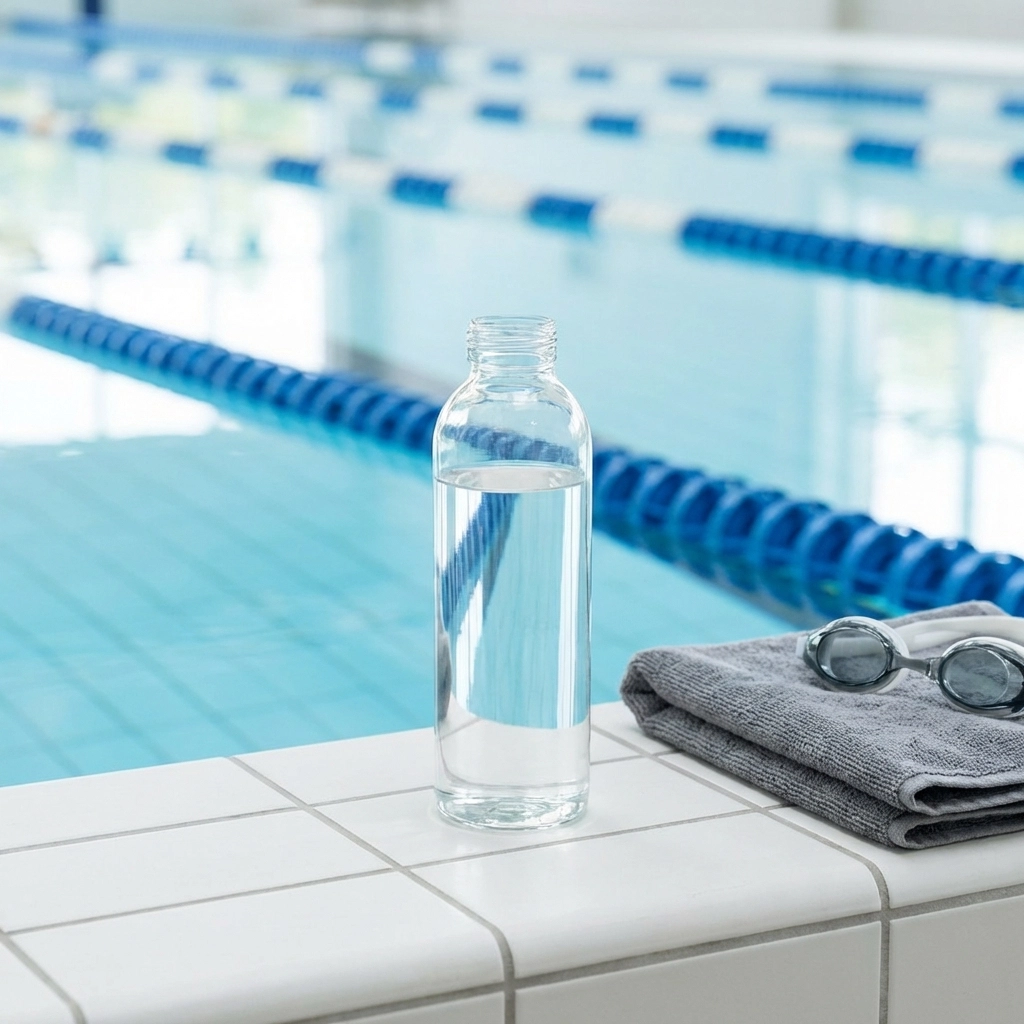
For longer training sessions or competitive swimmers doing 90+ minute sessions, increase intake to 4-10 ounces every 15-20 minutes. Keep a water bottle at the pool edge and use natural breaks between sets to hydrate. Don't wait until you feel thirsty: by that point, you're already experiencing early dehydration.
Summer training in warmer pools or outdoor facilities requires more aggressive hydration. Aim for 8 ounces every 15-20 minutes when temperatures rise above 25°C, as your sweat rate increases significantly even though you can't feel it.
Many UK pools provide excellent spots for water bottles along the pool deck. Position yours where you can easily grab it during rest intervals without disrupting other swimmers.
Post-Swim Recovery: Restoring Your Fluid Balance
Your hydration work doesn't end when you climb out of the pool. Drink 16-24 ounces within 30 minutes of finishing your session to kickstart the recovery process. This immediate rehydration helps maintain blood volume and supports nutrient delivery to working muscles.
For a more precise approach, weigh yourself before and after swimming. Drink 16 ounces for every pound of body weight lost during training. A typical 70kg swimmer might lose 1-1.5kg during an intense 90-minute session, requiring 500-750ml of immediate replacement fluid plus the standard 16-24 ounce base amount.
Continue steady hydration for 4-6 hours post-swim, as complete fluid restoration takes time. Your urine colour provides an excellent monitoring tool: aim for pale yellow within 2-3 hours of finishing your session.
Water vs Sports Drinks vs Electrolyte Tablets: Making the Right Choice
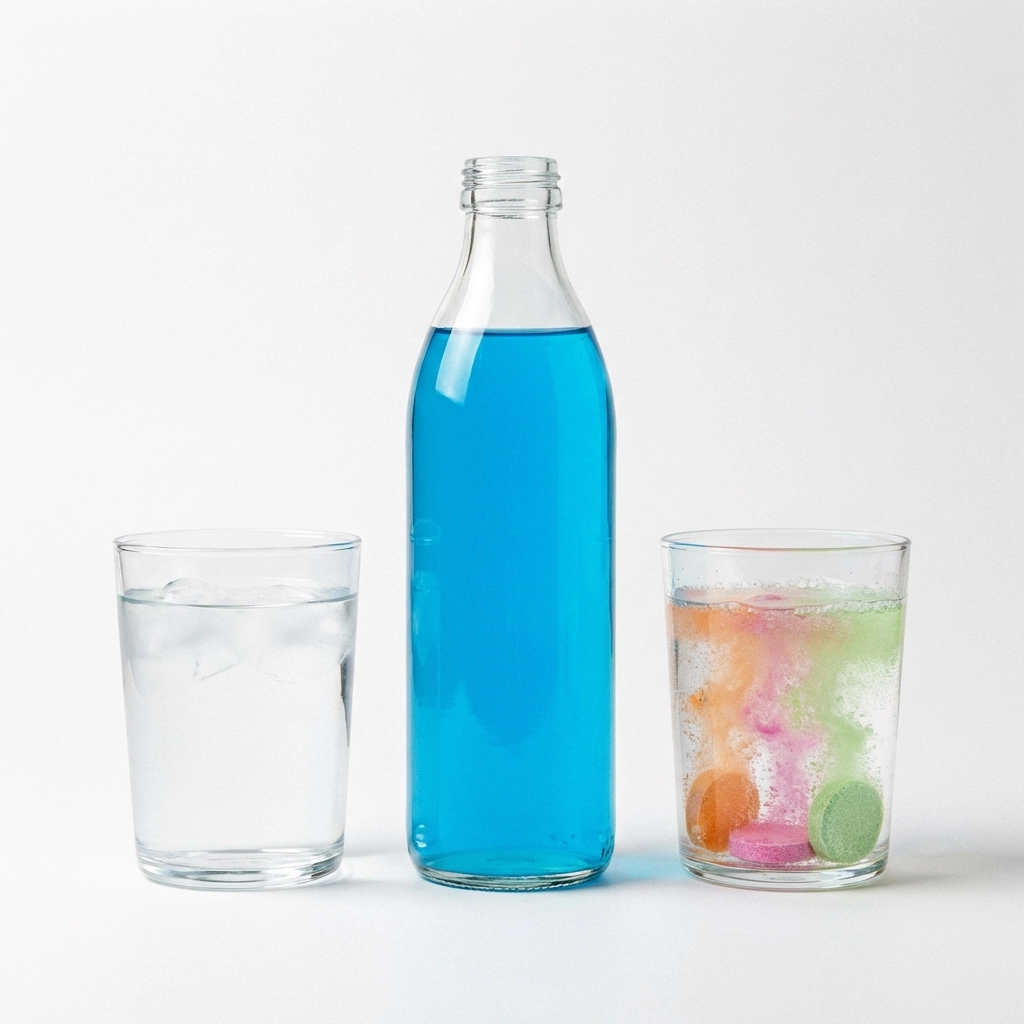
Plain Water forms the foundation of swimmer hydration. For sessions under 60 minutes at moderate intensity, water meets most swimmers' needs effectively. It's readily available, cost-effective, and sufficient for replacing fluid losses during shorter workouts.
Sports Drinks become valuable for sessions exceeding 60 minutes or during particularly intense training blocks. Look for products containing 6-8% carbohydrate concentration with 100-200mg sodium per 250ml serving. Popular UK brands like Lucozade Sport or Powerade meet these specifications and are widely available at most supermarkets and sports centres.
Electrolyte Tablets offer a middle ground, providing essential minerals without excess sugar. Brands like High5 Zero or Nuun tablets dissolve easily in water and cost less per serving than bottled sports drinks. They're particularly useful for swimmers watching caloric intake while maintaining electrolyte balance.
For ultra-endurance swimmers or those training in heated pools, high-sodium solutions consumed 60-90 minutes pre-swim can increase blood volume and improve fluid retention throughout longer sessions.
Understanding Electrolyte Balance: Why Minerals Matter
Electrolytes maintain cellular hydration and support muscle function during swimming. Sodium is the primary electrolyte lost through sweat, typically 300-700mg per litre of sweat. Potassium supports muscle contractions and works alongside sodium to maintain proper fluid balance.
During intense or prolonged swimming sessions, electrolyte replacement prevents muscle cramping and maintains optimal nerve function. The sodium-potassium balance is particularly crucial for competitive swimmers or those training multiple times per week.
UK tap water contains minimal electrolytes, making supplementation important during longer sessions. However, most recreational swimmers replacing fluids with food don't need aggressive electrolyte supplementation for sessions under 90 minutes.
Recognising Dehydration and Overhydration Warning Signs
Dehydration symptoms include:
- Thirst and dry mouth
- Fatigue or dizziness during swimming
- Dark yellow urine
- Headaches post-session
- Decreased stroke efficiency
Overhydration (hyponatremia) symptoms include:
- Nausea or vomiting
- Headaches despite adequate fluid intake
- Confusion or irritability
- Swelling in hands or feet
- Clear, frequent urination
Hyponatremia occurs when swimmers consume excessive amounts of plain water too quickly, diluting blood sodium levels dangerously. This condition is more serious than mild dehydration and requires immediate attention.
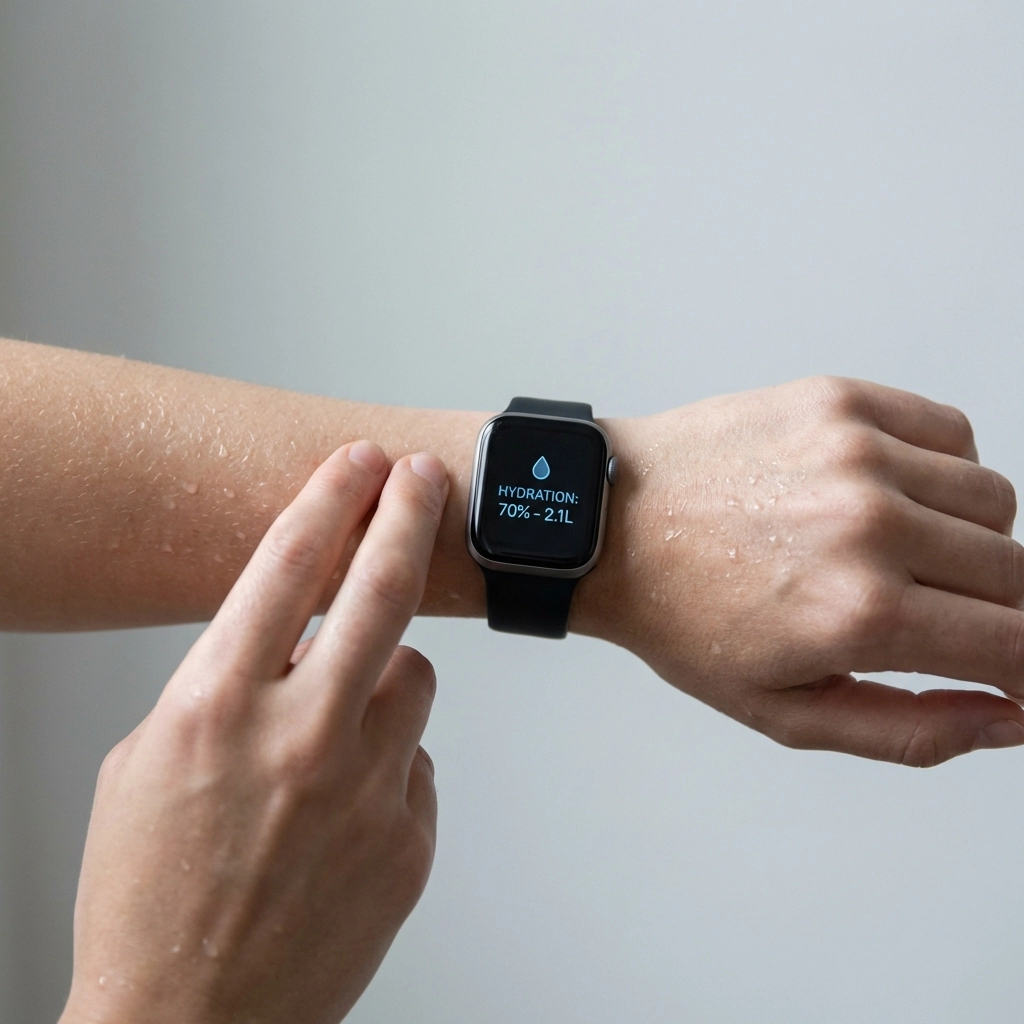
Practical Monitoring Techniques
Daily baseline hydration: Consume 35-40ml per kilogram of body weight daily as a starting point. A 70kg swimmer needs approximately 2.5 litres daily before accounting for training losses.
Urine colour monitoring: Check first thing in the morning and 2-3 hours post-swim. Pale yellow indicates proper hydration; dark yellow or amber signals dehydration. Very clear urine might indicate overhydration.
Sweat rate calculation: Weigh yourself naked before and after key training sessions. Record the difference and account for any fluid consumed during the session. This provides your personal sweat rate for different intensities and conditions.
Performance indicators: Monitor stroke count per length and overall session RPE (rate of perceived exertion). Increased stroke count or higher RPE for similar efforts often indicates developing dehydration.
UK-Specific Considerations
British swimming facilities typically maintain pool temperatures between 26-28°C, which is cooler than many international standards. However, changing room temperatures, outdoor pools in summer, and heated leisure pools can significantly increase sweat rates.
Most UK pools have water fountains, but water quality varies. Bringing your own filtered water ensures consistent taste and quality, encouraging better hydration compliance.
During winter months, indoor heating combined with pool humidity creates surprisingly dehydrating environments. Don't reduce fluid intake just because outdoor temperatures are cool.
Many British swimmers train early mornings or evenings around work schedules. Plan hydration around these times: evening swimmers should maintain steady intake throughout the workday rather than rushing hydration in the final hour.
For competitive swimmers using UK facilities for training camps or competitions, be aware that some venues restrict outside drinks. Check facility policies and plan accordingly.
Creating Your Personal Hydration Protocol
Start with the general guidelines provided, then adjust based on your individual response. Track your body weight changes, urine colour, and performance metrics over 2-3 weeks of consistent hydration practices.
Consider factors like your typical session length, pool temperature, training intensity, and personal sweat rate. Swimmers training multiple sessions daily need more aggressive between-session rehydration strategies.
Work with qualified sports nutritionists if you're training at competitive levels or experiencing persistent fatigue despite following standard hydration protocols. Individual needs vary significantly, and personalised advice ensures optimal performance and safety.
Remember that proper hydration supports not just your swimming performance, but your overall recovery, subsequent training sessions, and long-term adaptation to your swimming programme. Treat it as seriously as your stroke technique or training schedule.