Scroll through TikTok and you'll likely encounter videos of influencers swearing by L-tyrosine supplements for achieving a "natural tan" without sun exposure. The hashtag #ltyrosine has millions of views, with creators claiming this amino acid can darken your skin tone safely and effectively.
But does the science actually support this trend? The short answer is no: and understanding why requires looking at what L-tyrosine actually does in your body versus what social media claims suggest.
What L-Tyrosine Actually Is
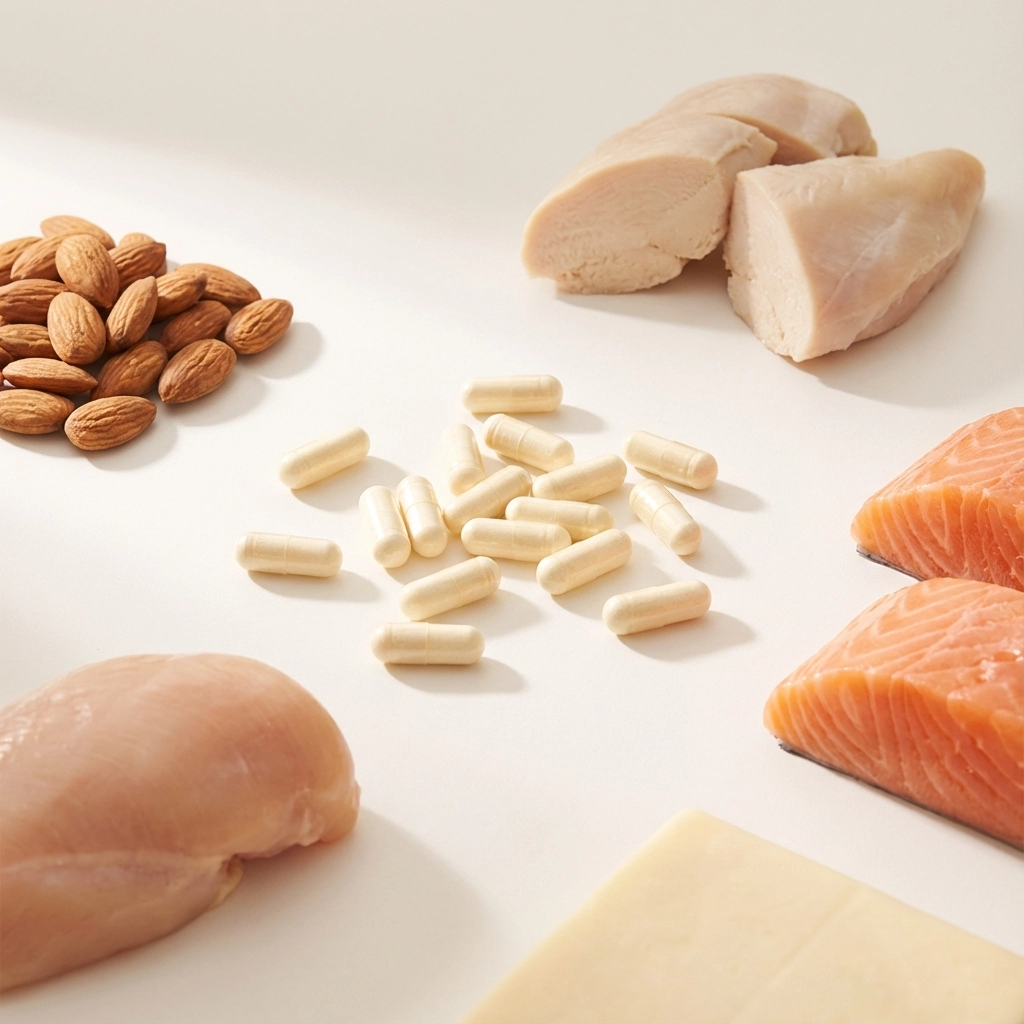
L-tyrosine is an amino acid your body uses as a building block for several important compounds, including melanin: the pigment responsible for skin, hair, and eye colour. It's naturally found in foods like chicken, fish, dairy products, and almonds, and your body can also produce it from another amino acid called phenylalanine.
In the melanin production process, L-tyrosine serves as the initial raw material. An enzyme called tyrosinase converts L-tyrosine into DOPA (3,4-dihydroxyphenylalanine), which then undergoes further chemical reactions to eventually form melanin. This is why the tanning trend gained traction: if melanin production starts with L-tyrosine, logic suggests that taking more should increase melanin levels.
However, this reasoning overlooks a crucial fact: melanin production is far more complex than simply having adequate L-tyrosine available.
Why People Think L-Tyrosine Works for Tanning
The appeal of L-tyrosine for tanning stems from its role in melanin synthesis. Social media influencers often explain that since your body needs L-tyrosine to make melanin, supplementing with it should naturally boost your tan. Some claim to have achieved noticeable skin darkening within weeks of taking L-tyrosine supplements.
These anecdotal reports gain credibility through before-and-after photos and testimonials, creating a compelling narrative that bypasses the need for scientific evidence. The idea of achieving a tan through a simple supplement is particularly attractive to people concerned about UV damage from sun exposure or tanning beds.
Additionally, some commercial tanning products do contain L-tyrosine, which can create confusion about its effectiveness when taken as a standalone supplement.
What the Scientific Evidence Shows
Multiple clinical studies and dermatological experts have definitively debunked the L-tyrosine tanning myth. Research published in the Comprehensive Series in Photosciences found that oral L-tyrosine "did not induce tanning or enhance UVB-induced tanning" when tested in controlled conditions.

Another study in the Journal of Clinical and Aesthetic Dermatology reached the same conclusion: tyrosine pills have not been shown to work for tanning purposes. Dermatologists consistently report that there is no scientific proof L-tyrosine supplements can produce a tan.
Dr. Michele Green, a dermatologist, explains that while melanin production does begin with L-tyrosine, creating an actual tan "depends on several other factors" beyond just having the amino acid available. These factors include:
- Genetic factors that determine your skin's melanin-producing capacity
- Hormone levels that influence melanocyte activity
- Age-related changes in melanin production
- UV exposure that triggers the melanin synthesis cascade
- Enzyme activity particularly tyrosinase, which can be influenced by various factors
The melanin production process requires a complex series of enzymatic reactions, regulatory mechanisms, and cellular responses that cannot be simply "boosted" by increasing one raw material.
The Exception: Topical Formulations with UV Exposure
While oral L-tyrosine supplements don't work for tanning, some research has shown modest effects when L-tyrosine is combined with other ingredients in topical formulations used alongside UV exposure.
A study examining a topical cream containing 5% chaste berry extract combined with acetyl tyrosine (a modified form of L-tyrosine) showed enhanced tanning compared to placebo when applied before controlled UV exposure. Participants applied the cream daily for six to eight weeks while following a specific UV exposure protocol.
However, even these results were modest and required several important conditions:
- Daily application for 6-8 weeks
- Controlled UV exposure (the cream didn't work without sun or tanning bed exposure)
- Combination ingredients (not just L-tyrosine alone)
- Topical application rather than oral supplementation
Critically, this approach still requires UV exposure, which defeats the purpose of a "safe" sunless tanning method that many people seek when considering L-tyrosine supplements.
Safety Concerns and Regulatory Status
The FDA has not approved L-tyrosine supplements for tanning purposes, which means these products haven't undergone the rigorous testing required to establish safety and efficacy for this use.
L-tyrosine supplements can interact with certain medications and may worsen pre-existing health conditions. People with hyperthyroidism should be particularly cautious, as L-tyrosine is involved in thyroid hormone production and could potentially exacerbate their condition.
Commercial tanning pills often contain L-tyrosine alongside other ingredients like canthaxanthin and beta-carotene. These additional compounds carry their own risks:
- Canthaxanthin can cause deposits in the retina and liver complications
- Beta-carotene may increase lung cancer risk in smokers
- Unlisted ingredients in unregulated supplements pose unknown risks
Safer Alternatives That Actually Work
If you're looking to enhance your skin tone safely, consider these science-backed alternatives:
Sunless Tanning Products
- DHA-based self-tanners work by temporarily darkening the outer layer of skin
- Professional spray tans offer even coverage and natural-looking results
- Gradual tanning moisturisers provide subtle, buildable colour
Melanin-Supporting Nutrition
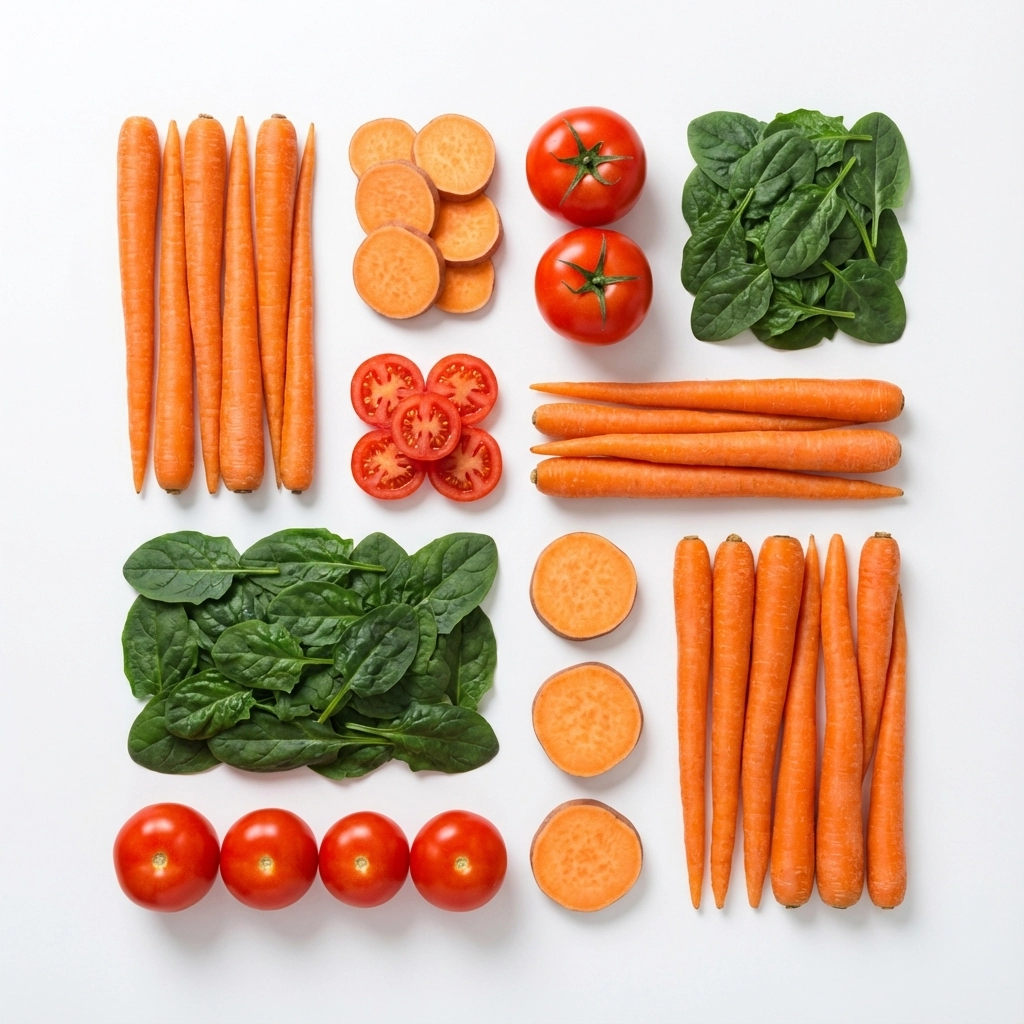
- Beta-carotene from foods like carrots, sweet potatoes, and leafy greens
- Lycopene from tomatoes and watermelon
- Vitamin C and E to support overall skin health
Safe Sun Exposure
- Gradual sun exposure with proper SPF protection
- Morning or late afternoon sun when UV intensity is lower
- Building a base tan slowly over several weeks
Understanding the Social Media Phenomenon
The L-tyrosine tanning trend illustrates how scientific-sounding information can spread rapidly on social media without proper verification. The fact that L-tyrosine is genuinely involved in melanin production provides just enough scientific basis to make the claims seem plausible.
This highlights the importance of distinguishing between correlation and causation in health claims. While L-tyrosine is necessary for melanin production, this doesn't mean that taking more will automatically increase melanin levels in your skin.
The Bottom Line on L-Tyrosine for Tanning
The scientific consensus is clear: L-tyrosine supplements cannot produce a sunless tan. Despite widespread claims on social media, multiple clinical studies and dermatological experts confirm that oral L-tyrosine supplementation does not lead to increased skin pigmentation.
The only context where L-tyrosine shows any tanning-related benefits is in specialized topical formulations combined with other active ingredients and UV exposure: essentially functioning as a tanning accelerator rather than a standalone tanning agent.
If you're considering L-tyrosine supplements for tanning, save your money and potential health risks. Instead, focus on proven methods like quality sunless tanning products, gradual safe sun exposure with proper protection, or professional spray tanning services.
Remember that any dramatic health or cosmetic claims trending on social media should be verified through peer-reviewed research and consultation with qualified healthcare professionals. Your skin's health is too important to risk on unproven supplements, regardless of how many TikTok views they've generated.
For evidence-based nutrition and supplement guidance, explore our nutrition blog where we break down the science behind popular health trends and help you make informed decisions about your wellness journey.