In the search for a better night's rest, two supplements consistently rise to the top of the list: Ashwagandha and Magnesium. While both are highly effective, they function in fundamentally different ways. If you are struggling with "herbal supplements for sleep" and trying to decide which bottle to grab from the Fitness Health sleep collection, the answer depends entirely on why you aren't sleeping in the first place.
Is your mind racing with a never-ending to-do list? Or is your body physically unable to settle down because of muscle tension or restless legs? Understanding the mechanism of action for each is the first step toward reclaiming your 2026 sleep hygiene.
Ashwagandha: The Cortisol Killer
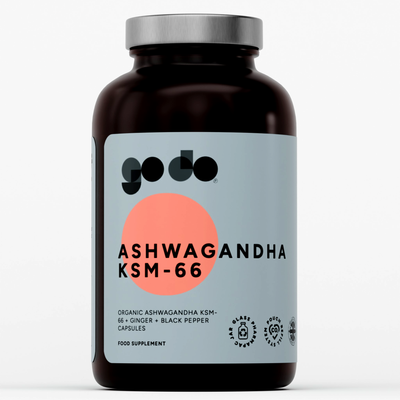
Ashwagandha (Withania somnifera) is a cornerstone of Ayurvedic medicine and has gained massive popularity as a premier adaptogen. An adaptogen is a substance that helps the body "adapt" to stressors by balancing the endocrine system.
How Ashwagandha Works for Sleep
The primary reason Ashwagandha helps you sleep is its ability to lower cortisol levels. Cortisol is your body’s primary stress hormone. Under normal circumstances, cortisol levels should be high in the morning to wake you up and low at night to allow sleep. However, modern lifestyles often lead to "evening cortisol spikes," which keep you in a state of hyper-arousal.
Research shows that Ashwagandha works on the Hypothalamic-Pituitary-Adrenal (HPA) axis. By dampening the HPA axis's reactivity, Ashwagandha reduces the "fight or flight" response. When your cortisol drops, your body can finally transition into the "rest and digest" parasympathetic state.

Who Should Choose Ashwagandha?
You should prioritize Ashwagandha if your sleep issues are primarily psychological or stress-driven.
- The "Tired but Wired" feeling: You are exhausted, but your brain won't shut off.
- Anxiety-Induced Insomnia: You lie awake worrying about work, health, or family.
- Waking up at 3 AM: This is often a sign of a cortisol spike in the middle of the night.
Ashwagandha is particularly effective for improving "sleep latency": the time it takes to fall asleep: and overall sleep efficiency. You can find high-quality options in our stress management collection.
Magnesium: The Physical Relaxant
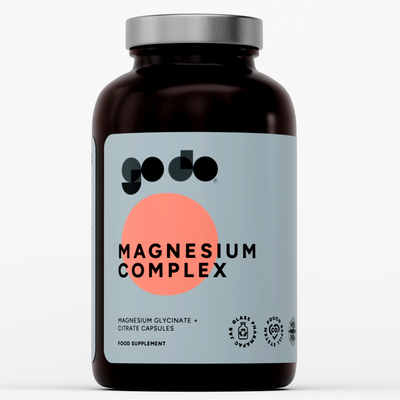
While Ashwagandha manages the hormones in your head, Magnesium manages the tension in your tissues. Magnesium is an essential mineral involved in over 300 biochemical reactions in the human body, yet a significant portion of the population remains deficient.
How Magnesium Works for Sleep
Magnesium approaches sleep through two distinct pathways: muscle relaxation and neurotransmitter regulation.
- GABA Activation: Magnesium binds to gamma-aminobutyric acid (GABA) receptors. GABA is the neurotransmitter responsible for quieting down nerve activity. By stimulating these receptors, Magnesium acts like a "brake" for your nervous system.
- Muscle Relaxation: Magnesium helps move calcium out of the muscles and back into the bloodstream, preventing involuntary contractions and tightness.
- Melatonin Regulation: Recent studies suggest that Magnesium is necessary for the proper synthesis and secretion of melatonin, the hormone that dictates your sleep-wake cycle.
Who Should Choose Magnesium?
Magnesium is the better choice if your sleep issues are physical or related to a mineral deficiency.
- Restless Legs or Twitching: If you feel the need to move your legs or experience "hypnic jerks" as you fall asleep.
- Physical Tension: You carry stress in your shoulders, neck, or jaw.
- General Deficiency: If you drink a lot of caffeine or exercise intensely (both of which deplete magnesium levels).
For those focused on physical recovery, Magnesium is often found alongside other performance aids in our strength and fitness range.
Ashwagandha vs. Magnesium: A Side-by-Side Comparison
To help you decide, let’s look at how these two compare across key categories:
| Feature | Ashwagandha | Magnesium |
|---|---|---|
| Primary Target | Cortisol (Stress Hormone) | GABA Receptors & Muscles |
| Best For | Mental Stress & Anxiety | Physical Tension & Cramps |
| Time to Work | Often takes 1-4 weeks to "build up" | Can work on the first night |
| Common Side Effects | Mild digestive upset (rare) | Loose stools (if dosage is too high) |
| Primary Form | Root Powder or KSM-66 Extract | Glycinate, Citrate, or Malate |
The Case for the "Sleep Stack": Can You Take Both?
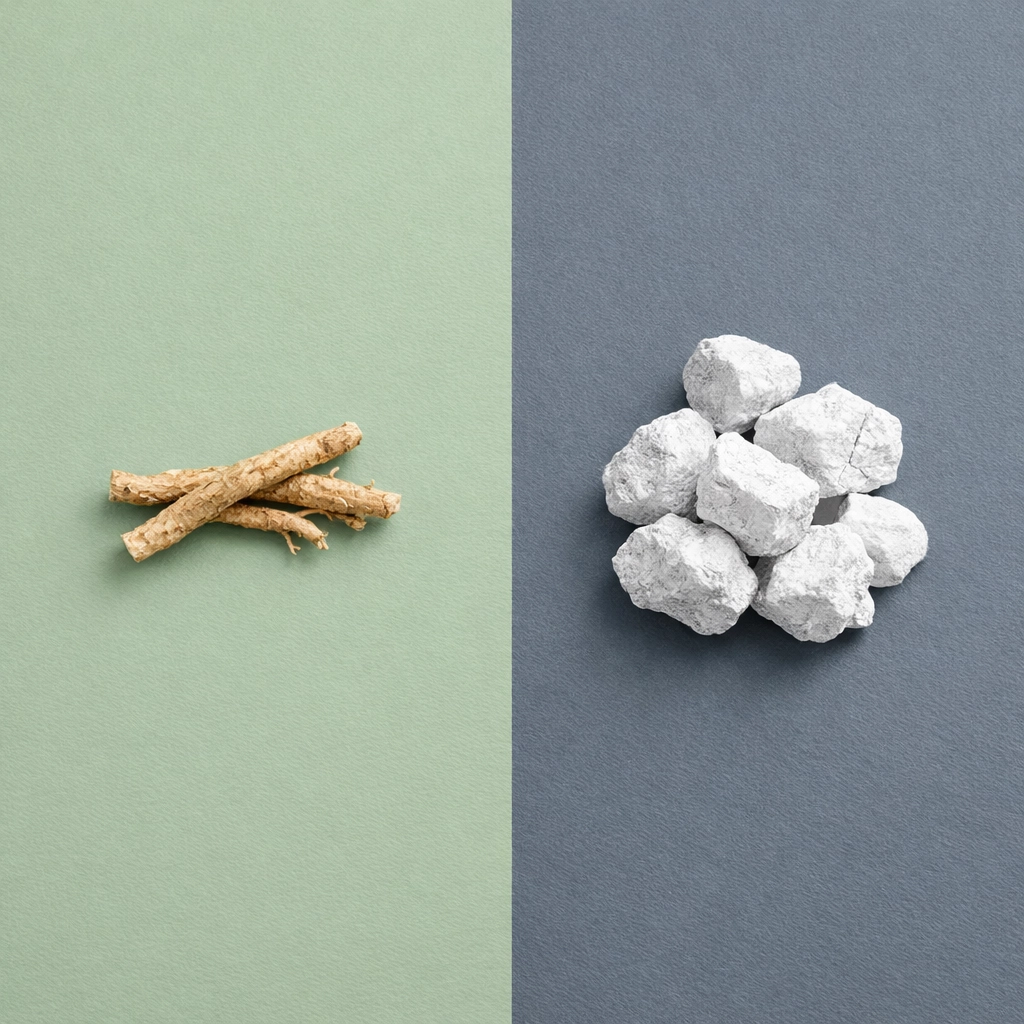
The good news is that you don’t necessarily have to choose. In fact, for many people, the combination of Ashwagandha and Magnesium provides a "synergistic" effect.
By taking both, you are addressing sleep from two angles: Ashwagandha lowers the mental barriers (stress/cortisol) while Magnesium lowers the physical barriers (tension/GABA). This dual approach is why many nootropics and sleep blends include both ingredients.
How to Stack Safely
If you decide to combine them, start with a lower dose of each to see how your body reacts.
- Evening Routine: Take your Magnesium (preferably Magnesium Glycinate for sleep) about 30–60 minutes before bed.
- Consistency: Take your Ashwagandha daily at the same time. Since it is an adaptogen, it works best when levels remain consistent in your system.
Choosing the Right Forms and Dosages
Not all Ashwagandha or Magnesium supplements are created equal. To get the results you're looking for, you need to check the labels for specific details.
Ashwagandha Dosages
Look for standardized extracts. Standardized extracts ensure you are getting a specific percentage of "withanolides," which are the active compounds.
- Recommended Dose: 300mg to 600mg per day.
- Key Tip: Look for "KSM-66" or "Sensoril" on the label, as these are the most clinically studied forms for stress and sleep.
Magnesium Forms
The form of Magnesium matters significantly for sleep.
- Magnesium Glycinate: The gold standard for sleep. It is bound to glycine, an amino acid that also has calming effects. It is highly absorbable and least likely to cause a laxative effect.
- Magnesium Citrate: Good for general deficiency, but can cause digestive upset if taken in large doses.
- Magnesium Malate: Better for daytime energy and muscle soreness; less ideal for immediate sleep.
- Recommended Dose: 200mg to 400mg per day.

Important Safety Information
While both are generally recognized as safe, there are specific considerations to keep in mind:
- Ashwagandha: Since it can affect the immune system and thyroid hormones, individuals with autoimmune conditions or thyroid disorders should consult a doctor first. It is also generally recommended to avoid it during pregnancy.
- Magnesium: People with kidney disease must be careful with magnesium supplementation, as the kidneys are responsible for clearing excess magnesium from the body.
- Interactions: Both supplements can enhance the effects of sedative medications (like benzodiazepines or sleep meds). Always talk to a healthcare professional if you are on prescription medication.
Summary Checklist: Which One Is For You?
Choose Ashwagandha if:
- You feel mentally overwhelmed or anxious.
- You have a high-stress job or lifestyle.
- You struggle with "brain fog" and evening irritability.
- You want a long-term solution to balance your stress response.
Choose Magnesium if:
- You experience muscle cramps or restless legs.
- You have a diet low in leafy greens and nuts.
- You need a supplement that works relatively quickly.
- You want to support overall nervous system health and muscle recovery.
Improving your sleep is one of the most effective ways to boost your overall health. Whether you choose the cortisol-lowering power of Ashwagandha or the muscle-relaxing benefits of Magnesium, you are taking a proactive step toward better recovery and long-term wellness. Explore our full range of health care solutions to find the perfect fit for your routine.
Final Takeaways
- Ashwagandha treats the mind by lowering cortisol.
- Magnesium treats the body by relaxing muscles and activating GABA.
- Combined, they offer a comprehensive solution for stress-related insomnia.
- Quality matters: Always choose standardized extracts and highly bioavailable mineral forms like Glycinate.