

I thought recovery was all about protein shakes and ice baths. I was dead wrong. The biggest game-changer I've discovered? Sleep. Not just any sleep: optimised, quality sleep that turns your body into a recovery machine while you're completely unconscious.
I'll never forget, a competitive cyclist who came to me frustrated that her performance had plateaued despite perfect training and nutrition. When I asked about her sleep, she laughed: "I'll sleep when I'm dead!" Six weeks later, after implementing proper sleep protocols, she smashed her personal best by three minutes. The only thing that changed? She started treating sleep like the performance enhancer it truly is.
The Four Stages of Athletic Recovery Sleep
Understanding what happens during sleep isn't just fascinating science: it's the key to unlocking your body's natural recovery potential. Your sleep occurs in four distinct stages, each playing a crucial role in rebuilding your athletic machine.
Stages 1 and 2: Light Sleep - This is your transition phase, accounting for about 50% of total sleep time. Your heart rate slows, body temperature drops, and muscle tension decreases. Think of this as your body's "preparation phase" for the real recovery work ahead.
Stage 3: Deep Sleep (Slow-Wave Sleep) - Here's where the magic happens. During this stage, your pituitary gland releases up to 70% of your daily growth hormone production. Blood flow to muscles increases dramatically, delivering oxygen and nutrients whilst flushing out metabolic waste products like lactate and inflammatory markers.
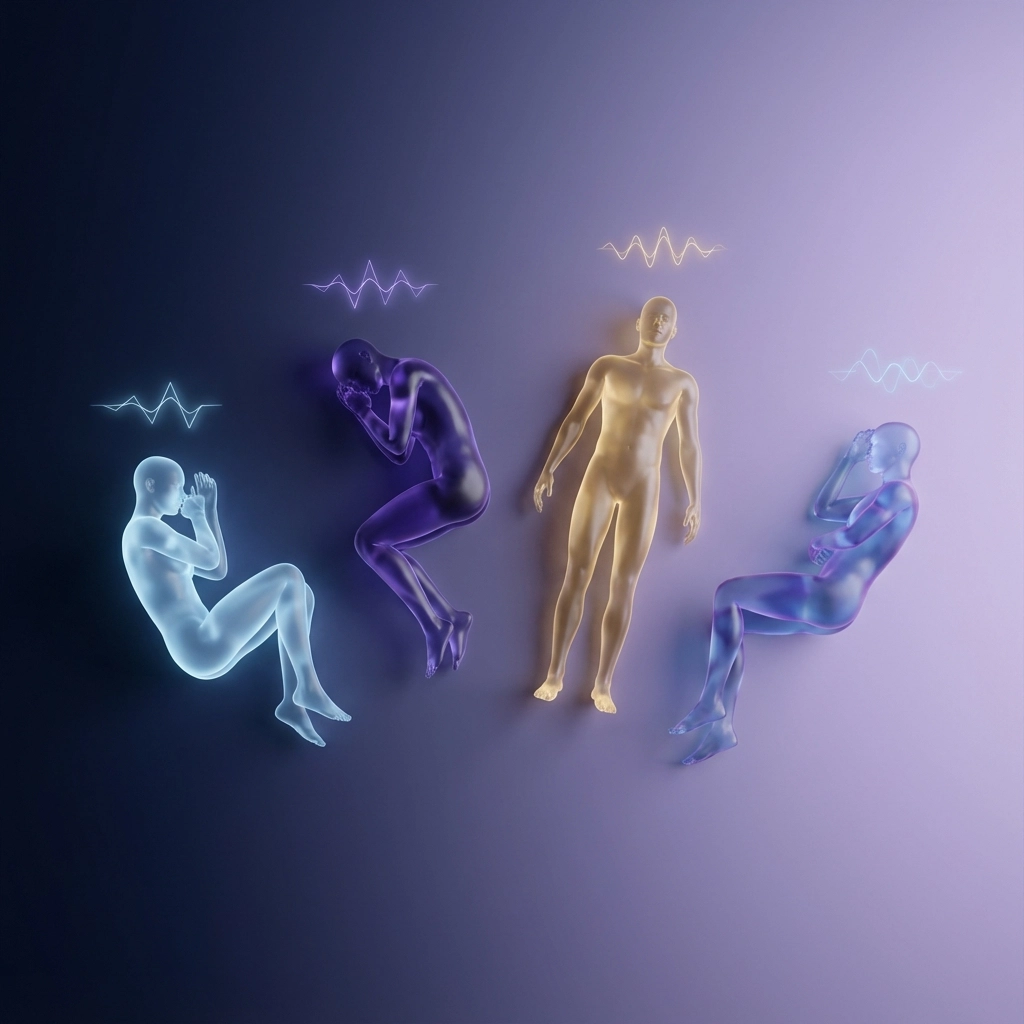
REM Sleep - Often overlooked by athletes, REM sleep is crucial for memory consolidation and learning new movement patterns. Those complex techniques you've been drilling? Your brain files them away permanently during REM sleep.
One of my rugby players, Marcus, was struggling to master a new passing technique despite hours of practice. Once we optimised his sleep to ensure adequate REM cycles, he nailed the technique within days. Your brain literally rewires itself for better performance while you sleep.
The Hidden Cost of Sleep Deprivation on Athletic Performance
After two decades in this industry, I've seen sleep deprivation destroy more athletic potential than any injury ever could. The research backs this up dramatically: and the effects go far beyond just feeling tired.
Hormonal Chaos - Sleep deprivation sends your stress hormone cortisol through the roof whilst simultaneously crushing growth hormone and testosterone production. I've had male athletes in their twenties show hormone profiles worse than sedentary 50-year-olds, purely due to chronic sleep debt.
Metabolic Mayhem - Poor sleep wreaks havoc on your metabolism. Your body becomes insulin resistant, making it harder to utilise carbohydrates for fuel and easier to store fat. The appetite hormones leptin and ghrelin get completely scrambled, leaving you craving junk food whilst feeling constantly hungry.
Performance Degradation - Studies show that athletes getting less than 7 hours sleep experience:
- 12% decrease in reaction time
- 18% reduction in peak power output
- 23% increase in injury risk
- 30% impaired immune function
One of my clients, a marathon runner named James, kept getting recurring colds every few weeks. His training was spot-on, nutrition dialled in, but he was averaging 5.5 hours of sleep nightly. Within a month of prioritising 8+ hours sleep, the illnesses stopped completely.
Evidence-Based Sleep Hygiene Strategies
Forget the complicated protocols: here's what actually works in the real world. I've refined these strategies over thousands of client sessions, and they deliver consistent results.
The 3-2-1 Rule - No large meals 3 hours before bed, no alcohol 2 hours before bed, and no screens 1 hour before bed. This simple framework eliminates the three biggest sleep disruptors I see with athletes.
Temperature Control - Your core body temperature needs to drop 1-2 degrees Celsius to initiate quality sleep. Keep your bedroom between 16-19°C (60-67°F). I tell clients to think "slightly too cold" rather than comfortable.
Light Management - Blue light exposure after sunset suppresses melatonin production for up to 3 hours. Invest in blue light blocking glasses or use apps like f.lux on devices. Blackout curtains aren't optional: they're essential.
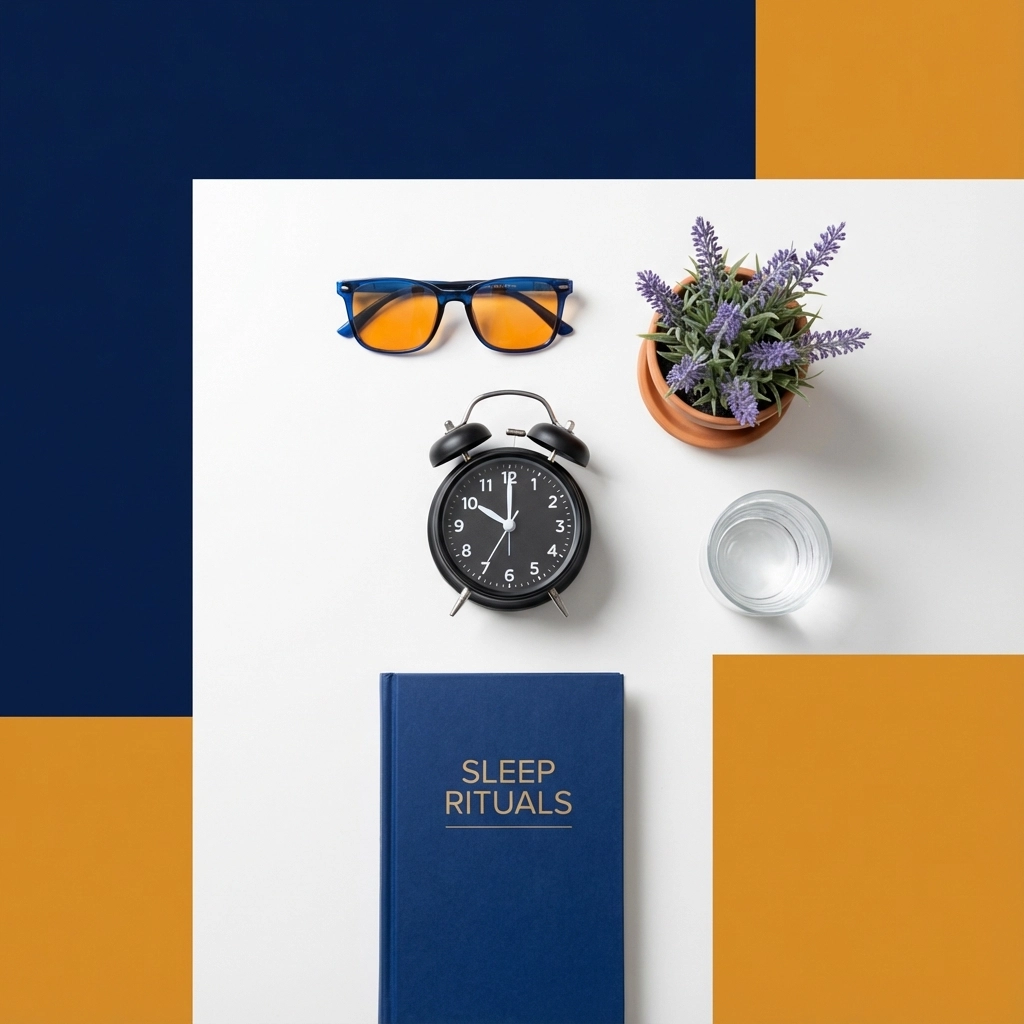
Consistent Sleep Schedule - Your circadian rhythm thrives on consistency. Going to bed and waking at the same time every day: including weekends: is more important than the exact hours you choose. I've seen athletes improve sleep quality by 40% just by maintaining consistent timing.
The Wind-Down Ritual - Create a 30-45 minute pre-sleep routine that signals your brain it's time to recover. This might include gentle stretching, reading, meditation, or light journaling. The key is consistency: same activities, same order, every night.
Strategic Napping Protocols for Athletes
Napping isn't lazy: it's tactical recovery when done correctly. I've helped athletes use strategic naps to maintain performance during heavy training blocks and competition periods.
The Power Nap (10-20 minutes) - Perfect for boosting alertness without sleep inertia. Time these 6-8 hours after waking for maximum benefit. I have shift-working clients use these to maintain training quality despite irregular schedules.
The Recovery Nap (60-90 minutes) - Allows you to complete a full sleep cycle, including deep sleep for physical recovery. Best timed in early afternoon (1-3 PM). However, avoid these within 6 hours of your main sleep period.
Competition Day Napping - A 20-30 minute nap 2-4 hours before competition can significantly improve reaction time and decision-making. Several of my competitive athletes swear by this strategy for evening events.
Sleep Tracking Technology: Tools That Actually Help
I'm not a fan of gadgets for gadgets' sake, but sleep tracking can provide valuable insights when used correctly. Here's what actually delivers useful data:
Heart Rate Variability (HRV) - Devices like the Oura Ring or WHOOP measure your autonomic nervous system recovery. Low HRV often indicates you need more recovery before your next intense session.
Sleep Stage Tracking - Modern devices can estimate time spent in different sleep stages. Whilst not laboratory accurate, they provide useful trends. Aim for 15-20% deep sleep and 20-25% REM sleep.
Sleep Efficiency - This measures actual sleep time versus time in bed. Healthy efficiency is 85% or higher. If you're consistently below this, it indicates sleep quality issues that need addressing.
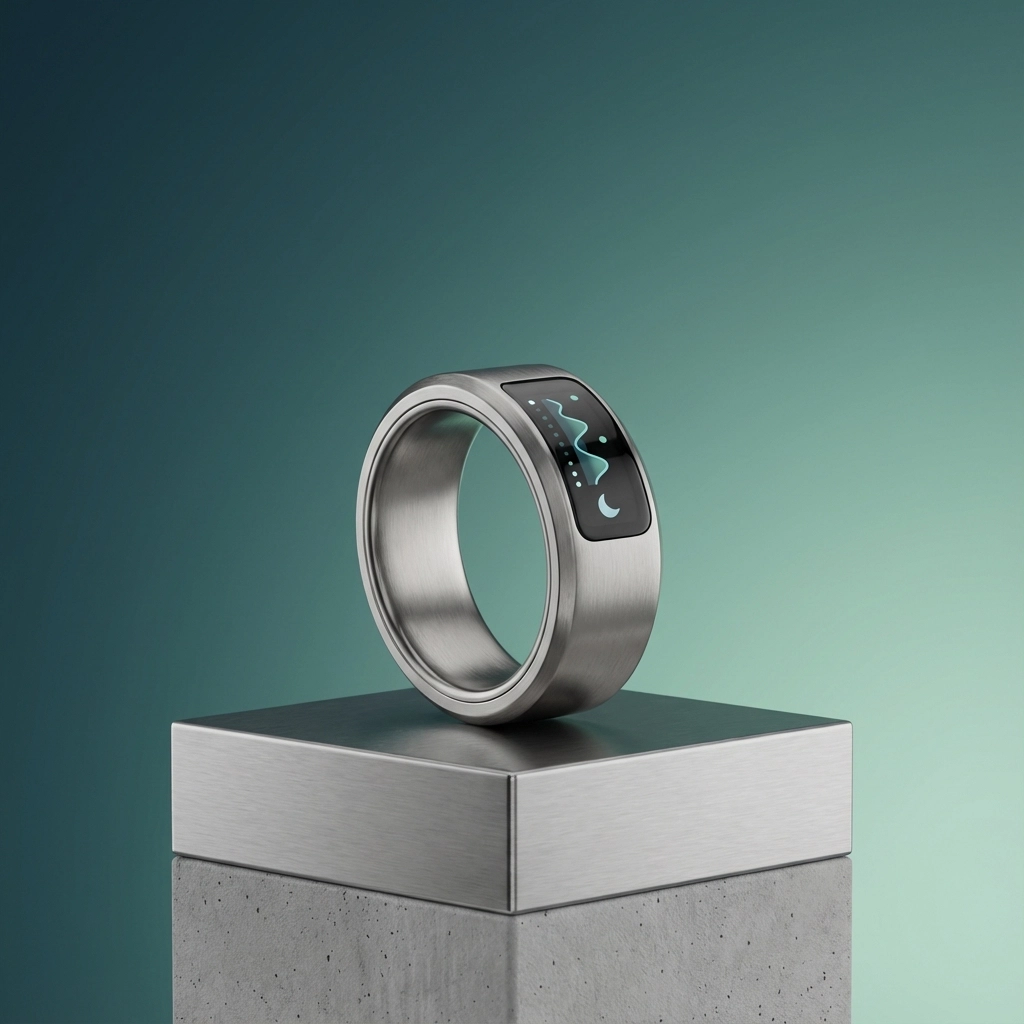
Environmental Monitoring - Tracks bedroom temperature, humidity, and light levels. These factors significantly impact sleep quality, and objective data helps optimise your sleep environment.
Busting Common Sleep Myths
Let me set the record straight on some persistent myths I encounter regularly:
Myth: "I can catch up on sleep at weekends" - Sleep debt doesn't work like a bank account. Chronic sleep deprivation creates cumulative deficits that weekend lie-ins can't fully resolve. Consistent sleep schedules trump binge sleeping every time.
Myth: "Alcohol helps me sleep" - Alcohol might help you fall asleep faster, but it fragments sleep architecture, reducing REM and deep sleep quality. You'll feel less recovered despite spending more time in bed.
Myth: "I only need 5-6 hours because I'm naturally a short sleeper" - True short sleepers represent less than 1% of the population. If you need caffeine to function or feel tired during the day, you're sleep deprived, not naturally efficient.
Myth: "Exercise close to bedtime disrupts sleep" - Low-to-moderate intensity exercise can actually improve sleep quality, even when performed 2-3 hours before bed. High-intensity training should be avoided within 4 hours of sleep.
Sleep and Body Composition: The Overlooked Connection
Here's something most athletes miss: sleep quality directly impacts body composition goals. Poor sleep makes it nearly impossible to build muscle or lose fat efficiently, regardless of your training and nutrition protocols.
Sleep deprivation reduces muscle protein synthesis by up to 20%, meaning your body can't effectively repair and build muscle tissue. Simultaneously, elevated cortisol from poor sleep promotes muscle breakdown whilst encouraging fat storage, particularly around the midsection.
I've tracked this with numerous clients using DEXA scans. Those maintaining quality sleep consistently show superior body composition changes compared to sleep-deprived athletes following identical training and nutrition programmes.
Your Action Plan for Sleep Optimization
Recovery doesn't happen in the gym: it happens while you sleep. After 20 years of watching athletes transform their performance through better sleep, I can promise you this: no supplement, technique, or training method will deliver the same return on investment as optimising your sleep.
Start tonight. Pick one strategy from this article and implement it consistently for a week. Track how you feel during training, your mood, and your performance metrics. The data will convince you faster than any article ever could.
Your competitors are training harder, but are they recovering smarter? Make sleep your secret weapon, and watch your performance soar whilst others burn out. Your future athletic self will thank you for the investment you make in recovery today.
Ready to unlock your recovery potential? Visit Fitness Health for more evidence-based strategies to optimise your athletic performance through better recovery protocols.










