![[HERO] Fitness Planning Vitals: 5 Key Metrics You Should Actually Be Tracking](https://cdn.marblism.com/xUQb2AkliMm.webp)
Why Most People Track the Wrong Fitness Data
If you're still obsessing over the number on the scale or counting every single calorie, you're missing the bigger picture. Real fitness planning vitals go way beyond weight and aesthetics. The metrics that actually matter for performance, recovery, and long-term health are the ones happening beneath the surface: your cardiovascular efficiency, nervous system recovery, and how well your body adapts to training stress.
Whether you're training for a marathon, working on resistance band strength workouts, or simply trying to feel better day-to-day, tracking these five health metrics to track will give you actionable data to plan smarter, train harder, and recover faster.
1. Resting Heart Rate: Your Cardiovascular Baseline
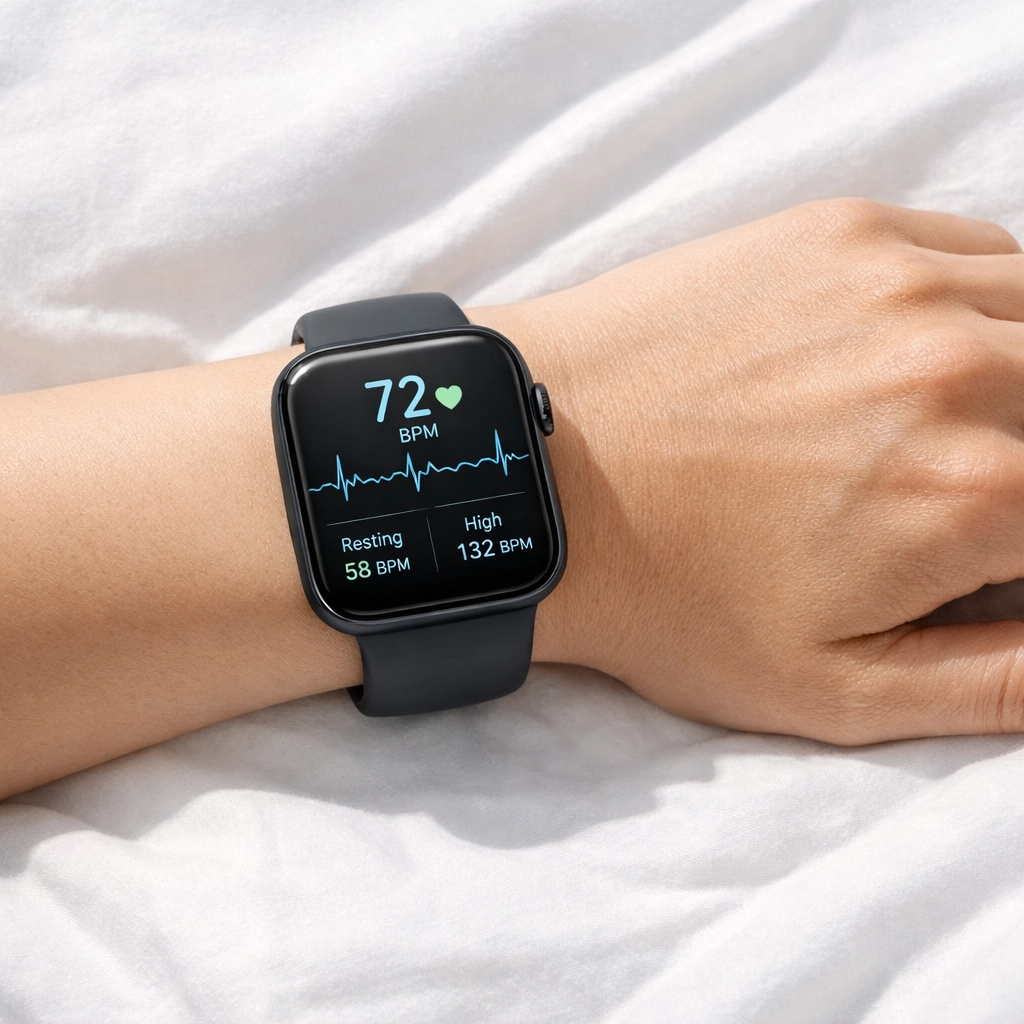
Your resting heart rate (RHR) is one of the most powerful fitness tracking for performance indicators you can monitor: and it costs nothing to measure.
What It Tells You
Resting heart rate measures how many times your heart beats per minute when you're completely at rest. A lower RHR generally indicates better cardiovascular fitness because your heart doesn't need to work as hard to pump blood throughout your body. For most adults, a healthy RHR sits between 60-100 beats per minute, but well-trained athletes often see numbers in the 40s or 50s.
Here's why it matters: if your RHR suddenly spikes by 5-10 beats above your normal baseline, it's often a sign that you're stressed, overtrained, fighting off an illness, or not recovering properly. On the flip side, watching your RHR gradually decrease over weeks and months is tangible proof that your fitness is improving: even if the scale hasn't budged.
How to Track It
Check your resting heart rate first thing in the morning, before you get out of bed:
- Use two fingers on your wrist or neck to find your pulse
- Count beats for 60 seconds (or 30 seconds and multiply by two)
- Record it in a journal or fitness app
- Most smartwatches and fitness trackers now measure RHR automatically
Track this metric consistently for at least two weeks to establish your personal baseline. Once you know what's normal for you, deviations become meaningful signals about your training load and recovery status.
2. Heart Rate Variability (HRV): Your Recovery Scorecard
If resting heart rate is your baseline, heart rate variability is your real-time recovery indicator. HRV measures the variation in time between each heartbeat, and it's one of the most sophisticated fitness planning vitals you can monitor.
What It Tells You
Contrary to what you might expect, more variability is actually better. When your HRV is high, it indicates that your parasympathetic nervous system (your "rest and digest" mode) is dominant, meaning you're recovered and ready to tackle intense training. When HRV drops, your sympathetic nervous system (your "fight or flight" mode) is calling the shots, suggesting you need more recovery time.
HRV gives you permission to push hard or tells you to dial it back. It's particularly valuable for avoiding overtraining syndrome: that dreaded state where more training actually makes you worse, not better.

How to Track It
HRV requires slightly more tech than RHR:
- Use a chest strap heart rate monitor or a wearable like Whoop, Oura Ring, or Apple Watch
- Measure first thing in the morning while still lying down
- Track trends over time rather than obsessing over daily fluctuations
- Look for your personal baseline: HRV varies widely between individuals
Many apps will calculate a "readiness score" based on HRV, recent workouts, sleep quality, and other factors. This score helps you decide whether today's a good day for high-intensity interval training or whether you should opt for a recovery walk instead.
3. VO2 Max: Your Aerobic Engine Capacity
VO2 max sounds technical, but it's simply a measure of how efficiently your body uses oxygen during maximum effort. It's the gold standard for cardiovascular fitness and one of the strongest predictors of longevity and disease prevention.
What It Tells You
Your VO2 max represents the maximum amount of oxygen your body can utilize during intense exercise, measured in milliliters per kilogram of body weight per minute (ml/kg/min). Higher numbers mean your cardiovascular system is more efficient at delivering oxygen to working muscles.
Research consistently shows that VO2 max correlates strongly with reduced risk of heart disease, metabolic disorders, and all-cause mortality. The good news? You can improve it at any age with consistent aerobic training: even just two to three sessions per week shows measurable improvements.
How to Track It
You have several options for measuring VO2 max:
Lab Testing: The most accurate method involves running on a treadmill while wearing a mask that measures oxygen consumption. It's expensive but precise.
Fitness Tracker Estimates: Modern smartwatches from Garmin, Apple, Polar, and others estimate VO2 max using algorithms based on your heart rate during exercise. While not lab-accurate, they're good enough to track trends.
Field Tests: You can estimate VO2 max using standardized running tests like the Cooper Test (run as far as possible in 12 minutes) and plugging your results into online calculators.
Track this metric every 4-6 weeks to monitor long-term cardiovascular improvements. Don't expect massive jumps: even small increases in VO2 max represent meaningful fitness gains.
4. Sleep Quality: The Most Underrated Performance Metric
Sleep isn't just recovery time: it's when your body actually adapts to training stress, consolidates motor patterns, and regulates hormones that control everything from appetite to muscle growth.

What It Tells You
Quality sleep metrics include total sleep time, time spent in deep sleep, REM sleep cycles, and sleep efficiency (time asleep divided by time in bed). These health metrics to track directly impact your workout readiness, cognitive function, and long-term health outcomes.
Poor sleep quality shows up quickly in other metrics: elevated resting heart rate, suppressed HRV, decreased VO2 max performance. It's the foundation that everything else sits on.
How to Track It
Modern sleep tracking has become remarkably accessible:
- Wearable devices like Oura Ring, Whoop, or Fitbit track sleep stages automatically
- Keep a simple sleep log noting bedtime, wake time, and subjective sleep quality
- Monitor how you feel during workouts: persistent fatigue despite adequate training recovery often points to sleep issues
Aim for these targets:
- 7-9 hours total sleep time
- At least 20-25% deep sleep
- Consistent sleep and wake times (even on weekends)
Supporting Your Sleep Naturally
If your sleep metrics consistently fall short, consider natural support options. Quality supplements can help optimize your sleep-wake cycle. Supporting better sleep quality directly improves all your other fitness planning vitals: it's the leverage point that amplifies everything else.
5. Recovery Time: How Quickly You Bounce Back
Recovery time measures how long it takes your body to return to baseline after training stress. It's the metric that determines how frequently you can train hard without digging yourself into a hole.
What It Tells You
Recovery isn't just about sore muscles: it encompasses nervous system recovery, hormone regulation, immune function, and cellular repair. Athletes who optimize recovery can train more frequently and make faster progress than those who constantly push without adequate restoration.
Your recovery time depends on training intensity, nutrition status, sleep quality, stress levels, and age. Tracking it helps you find your personal sweet spot between training stimulus and adequate rest.
How to Track It
Recovery is best measured through a combination of metrics:
Subjective measures:
- Muscle soreness levels (1-10 scale)
- Energy levels throughout the day
- Motivation to train
- Mood and cognitive sharpness
Objective measures:
- Return of HRV to baseline
- Resting heart rate normalization
- Grip strength (surprisingly accurate recovery indicator)
- Performance metrics in subsequent workouts
Most fitness trackers now offer "recovery time" recommendations based on your previous workout intensity and duration. Pay attention to these suggestions: they're often more accurate than your ego wants to admit.
Optimizing Recovery Between Sessions
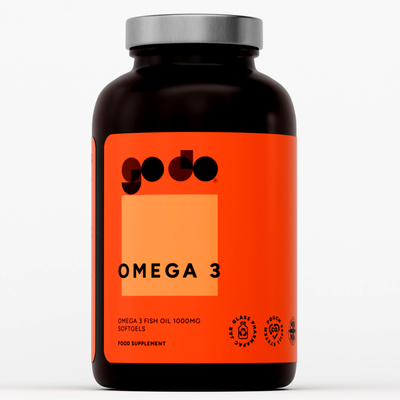
Recovery happens through proper nutrition, adequate sleep, stress management, and sometimes targeted supplementation. Omega-3 fatty acids, for instance, support both brain function and systemic inflammation reduction, helping your body recover more efficiently.

Putting It All Together: Building Your Personal Dashboard
The real power of these fitness planning vitals comes from tracking them together, not in isolation. Here's how to create a sustainable monitoring system:
Week 1-2: Establish Your Baselines
Spend two weeks tracking all five metrics without making any changes. This gives you personal reference points that matter far more than population averages.
Week 3+: Look for Patterns
Start connecting the dots:
- Does poor sleep always tank your HRV?
- Does your RHR spike after particularly stressful workdays?
- How many days does it take your recovery metrics to normalize after intense training?
Adjust Your Training Based on Data
Use your metrics to make smarter decisions:
- High HRV + Low RHR + Good Sleep = Green light for hard training
- Low HRV + Elevated RHR + Poor Sleep = Active recovery day
- Declining VO2 Max Trend = Time to add more aerobic base work
- Extended Recovery Times = Reduce training frequency or intensity
This isn't about being rigid: it's about having objective data when your motivation and ego are telling you different stories than your body.
The Bottom Line on Fitness Tracking for Performance
Your scale weight tells you almost nothing about your actual fitness or health trajectory. These five metrics: resting heart rate, heart rate variability, VO2 max, sleep quality, and recovery time: give you actionable intelligence to train smarter, prevent overtraining, and make consistent progress toward your goals.
Start with just one or two metrics if tracking five feels overwhelming. Resting heart rate and sleep quality are excellent entry points that require minimal equipment. As you get comfortable with the data, expand your dashboard to include the others.
The goal isn't to become obsessed with numbers: it's to have objective feedback that helps you plan training cycles, recognize when you need rest, and celebrate improvements that might not show up in a mirror or on a scale. That's the difference between randomly working out and strategically training with purpose.