![[HERO] Ashwagandha vs Valerian Root: Which Is Better For Your Sleep Routine?](https://cdn.marblism.com/UXC58_aa_7n.webp)
Struggling to choose between ashwagandha capsules and valerian root for better sleep? The answer isn't straightforward: both herbal supplements for sleep work differently, and the right choice depends entirely on what's keeping you awake at night.
This guide breaks down the science behind each supplement, how they function in your body, and which one matches your specific sleep challenges.
What Makes These Herbal Supplements Different
Ashwagandha and valerian root belong to entirely different categories of sleep support supplements. Understanding this distinction is crucial before adding either to your routine.
Ashwagandha is classified as an adaptogen: a plant compound that helps your body adapt to stress by regulating your physiological stress response. It doesn't directly sedate you. Instead, it addresses one of the root causes of poor sleep: elevated cortisol levels and chronic stress.
Valerian root functions as a natural sedative. It works on your nervous system to promote drowsiness and help you fall asleep faster, similar to how pharmaceutical sleep aids function but with a gentler approach.

How Ashwagandha Supports Sleep
Ashwagandha (Withania somnifera) tackles sleep problems indirectly by managing your body's stress hormones. When you're chronically stressed, your cortisol levels remain elevated: even at night when they should naturally drop. This hormonal imbalance keeps your mind racing and your body alert when you should be winding down.
Research shows ashwagandha can reduce cortisol levels, which in turn:
- Calms an overactive stress response
- Reduces anxiety that interferes with sleep onset
- Improves overall sleep quality over time
- Helps regulate your sleep-wake cycle
The catch? Ashwagandha works gradually. You won't feel drowsy within an hour of taking it. Instead, consistent daily use over several weeks allows it to rebalance your stress hormones and improve sleep quality as a secondary benefit.
Best for: People whose sleep problems stem from anxiety, work stress, or an inability to "switch off" mentally at night. If you find yourself lying awake with racing thoughts, ashwagandha addresses this underlying pattern rather than just masking symptoms.
How Valerian Root Works as a Sleep Aid
Valerian root (Valeriana officinalis) takes a more direct route to sleep support. It's believed to increase GABA (gamma-aminobutyric acid) levels in your brain: a neurotransmitter that reduces neural activity and promotes relaxation.
This mechanism produces:
- Faster sleep onset (typically within 30-60 minutes)
- Reduced time spent awake during the night
- A calming effect on the nervous system
- Mild sedation without the hangover effect of pharmaceutical options
Unlike ashwagandha, valerian root works relatively quickly. Take it 30 minutes to 2 hours before bed, and you should feel its sedative effects when you're ready to sleep.
Best for: Occasional insomnia, difficulty falling asleep despite feeling tired, or nights when you know you'll struggle to wind down. Valerian root is not typically recommended for long-term daily use: it's more of a situational sleep aid.

Side-by-Side Comparison: Key Differences
| Feature | Ashwagandha | Valerian Root |
|---|---|---|
| Primary function | Stress & cortisol reduction | Sedative, increases GABA |
| Onset time | Days to weeks | Within an hour |
| Best for | Anxiety, chronic stress | Mild insomnia, occasional sleep aid |
| Common side effects | Mild GI discomfort, headaches | Grogginess, vivid dreams |
| Scientific backing | Moderate to strong | Mixed results |
| Dependence risk | None | None to low |
This table highlights a crucial distinction: ashwagandha requires patience and consistency, while valerian root offers faster but less comprehensive results.
When to Choose Ashwagandha Capsules
Ashwagandha makes sense as your primary herbal supplement for sleep if:
-
Stress is your main sleep disruptor. You regularly experience work-related anxiety, racing thoughts, or feel "wired" at bedtime.
-
You want a non-sedative option. Ashwagandha won't make you drowsy during the day if you take it in the morning, making it suitable for consistent daily use.
-
You're committed to long-term use. The full benefits emerge after 2-6 weeks of consistent supplementation at the proper dosage.
-
You want broader stress-management support. Beyond sleep, ashwagandha may help with daytime anxiety, energy levels, and overall stress resilience.
Ashwagandha Dosage and Safety
Standard dosing: 250-600 mg of standardized root extract per day. Look for supplements standardized to contain at least 5% withanolides: the active compounds responsible for ashwagandha's effects.
Important safety notes:
- Not suitable for people with hyperthyroidism or thyroid conditions
- May interact with thyroid medications, immunosuppressants, and sedatives
- Pregnant or breastfeeding women should avoid ashwagandha
- Some people experience mild digestive upset or headaches initially

When to Choose Valerian Root
Valerian root is the better choice when:
-
You need immediate help falling asleep. Valerian's effects kick in within an hour, making it useful for occasional sleepless nights.
-
You have situational insomnia. Travel, schedule changes, or temporary stress causing sleep disruption benefit from valerian's fast-acting sedative properties.
-
Stress isn't your primary issue. If you feel tired but simply can't fall asleep, valerian addresses the sleep mechanism directly.
-
You want flexibility. Take valerian only when needed rather than committing to daily supplementation.
Valerian Root Dosage and Safety
Standard dosing: 300-600 mg of valerian extract taken 30 minutes to 2 hours before bedtime.
Important considerations:
- Effects vary significantly between individuals: some people experience no benefit
- Can cause morning grogginess in some users
- May produce vivid or unusual dreams
- Not recommended for daily long-term use without periodic breaks
- Avoid combining with alcohol or other sedatives
- Generally safe with low dependence risk
What to Look for When Buying Herbal Supplements for Sleep
Quality varies dramatically between supplement brands. Here's what matters:
Standardization: Choose products with standardized extracts. For ashwagandha, look for 5% withanolides. For valerian, check that the label specifies the extract ratio and valerenic acid content.
Third-party testing: Reputable brands provide certificates of analysis confirming purity and potency. This verification ensures you're getting what the label promises.
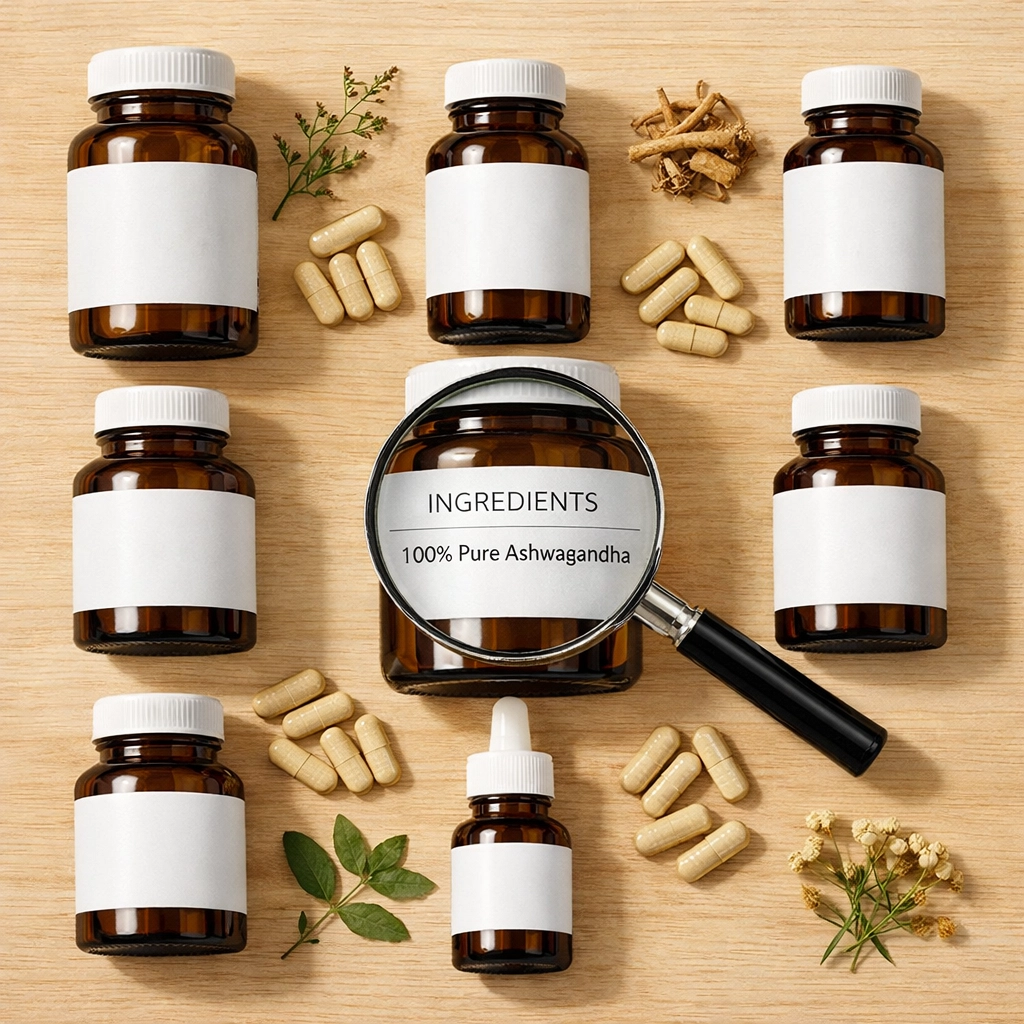
Eco-friendly packaging: Quality supplements should reflect environmental responsibility. Look for brands using recyclable materials and sustainable sourcing practices: markers of overall company integrity.
Transparent sourcing: The label should clearly state where the herbs were grown and how they were processed. This information indicates quality control throughout the supply chain.
At Fitness Health, our ashwagandha capsules meet these standards with standardized extracts, third-party testing, and eco-friendly packaging that reflects our commitment to both your health and environmental sustainability.
Can You Take Both Together?
There's no evidence that combining ashwagandha and valerian root is dangerous, but there's also limited research on their combined effects. Some people use ashwagandha daily for ongoing stress management and add valerian root occasionally for particularly difficult nights.
If you're considering this approach:
- Start with one supplement at a time to assess individual effects
- Wait at least 2 weeks before adding the second supplement
- Consult a healthcare provider, especially if you take other medications
- Monitor for excessive sedation or morning grogginess
The Bottom Line: Which One Is Right for You?
There's no universal "better" option: the right choice depends on your specific sleep challenges.
Choose ashwagandha if:
- Chronic stress or anxiety disrupts your sleep
- You want comprehensive stress management benefits beyond sleep
- You're willing to wait 2-6 weeks for full effects
- You prefer a non-sedating supplement suitable for daily use
Choose valerian root if:
- You need fast-acting sleep support for occasional insomnia
- Stress isn't your primary sleep issue
- You want a supplement to use "as needed" rather than daily
- You're looking for a natural alternative to pharmaceutical sleep aids
For many people dealing with modern sleep challenges, ashwagandha's stress-management approach addresses the root cause more effectively than valerian root's sedative effects. However, if you simply need help falling asleep occasionally, valerian root's faster action makes it the practical choice.
Consider your sleep patterns over the past month. If stress, anxiety, or racing thoughts are consistent factors, ashwagandha capsules offer a more strategic long-term solution. If you feel genuinely tired but just can't initiate sleep, valerian root's direct sedative effect may be more appropriate.
Both herbal supplements for sleep carry minimal risk when used appropriately, making them worth trying under the guidance of a healthcare provider who understands your complete health picture.