You've done everything right. You're hitting 8 hours in bed. You've banned screens an hour before sleep. You've invested in blackout curtains and a white noise machine. Yet you're still dragging yourself through the day, fighting brain fog and reaching for your third coffee by noon.
The problem isn't your commitment to sleep: it's that sleep duration alone doesn't fix fatigue. Here's what's actually going on and what you need to address first.
Sleep Quality Beats Sleep Quantity Every Time
Spending 8 hours in bed doesn't guarantee 8 hours of restorative sleep. Research consistently shows that sleep quality is a stronger predictor of daytime fatigue than sleep duration. You can clock in plenty of hours and still wake up exhausted if your sleep architecture is compromised.
Sleep quality depends on cycling through all sleep stages properly:
- Light sleep (stages 1-2): Transition phases that prepare your body for deeper rest
- Deep sleep (stage 3): Physical restoration, immune function, and tissue repair occur
- REM sleep: Memory consolidation, emotional processing, and cognitive restoration
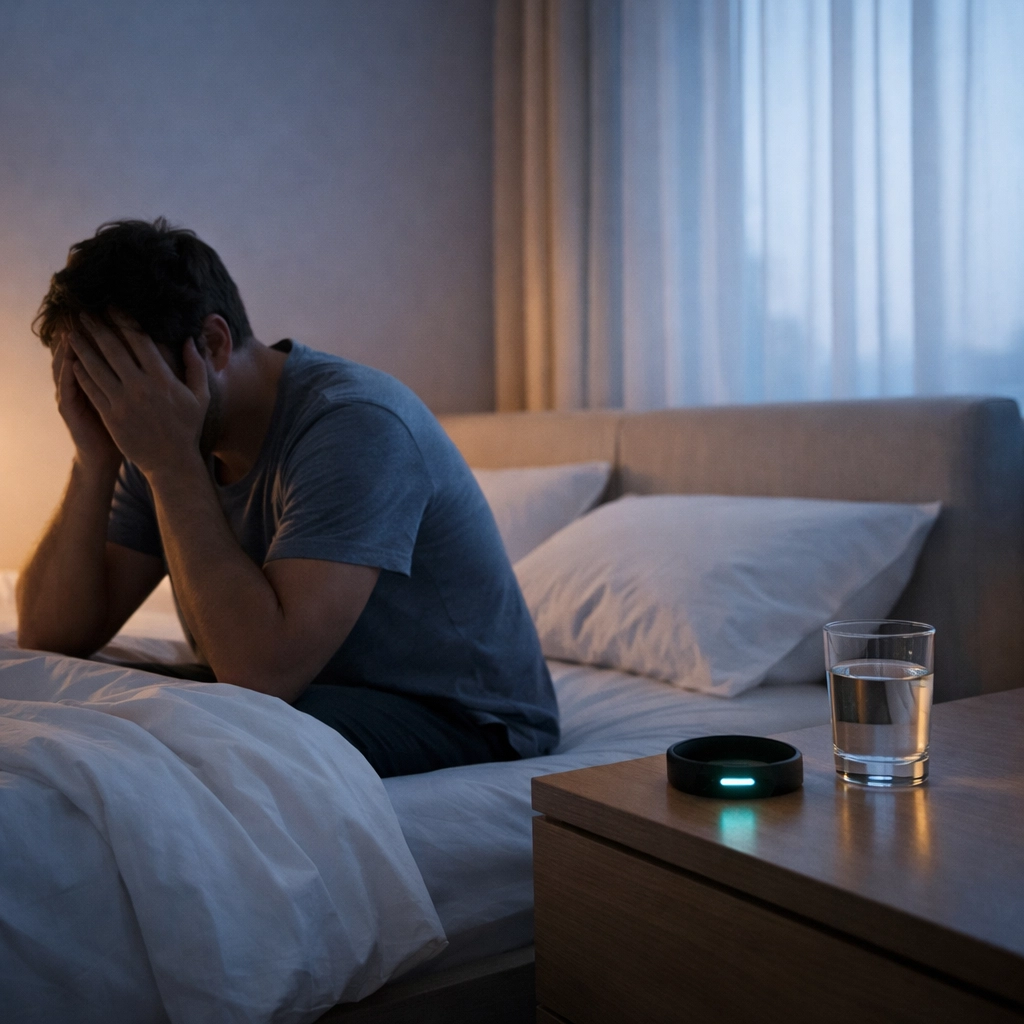
When something disrupts these cycles: even if you're not aware of it: you miss out on the restorative benefits. Your fitness tracker might show 8 hours of sleep, but if you're spending most of that time in light sleep or experiencing frequent micro-awakenings, you're not actually recovering.
Hidden Sleep Disruptors You're Not Noticing
Several conditions fragment your sleep without waking you fully. You might think you slept straight through, but your body knows differently.
Sleep Apnea
This condition causes repeated breathing interruptions throughout the night. Your brain briefly wakes you to restart breathing, but these awakenings are so quick you don't remember them. The result: your sleep stages never progress properly into deep, restorative phases.
Common signs include:
- Morning headaches
- Waking with a dry mouth or sore throat
- Loud snoring (often reported by partners)
- Feeling unrefreshed despite adequate time in bed
Micro-Awakenings
Brief disruptions lasting just seconds can occur dozens of times per night without your conscious awareness. Triggers include:
- External noise (traffic, neighbors, household sounds)
- Temperature fluctuations in your bedroom
- Light exposure (streetlights, electronics, early sunrise)
- Digestive discomfort from late meals
Each interruption resets your sleep cycle progression, preventing you from accumulating enough deep and REM sleep.
Non-Sleep Factors That Cause Persistent Fatigue
This is the part most people miss: fatigue often stems from issues completely separate from your actual sleep. Perfecting your sleep routine won't solve these problems.
Hormonal Imbalances
Thyroid dysfunction, particularly hypothyroidism, directly causes fatigue regardless of sleep quality. Your thyroid regulates metabolism and energy production at the cellular level. When it's underactive, everything slows down.
Women experiencing perimenopause or menopause face additional challenges:
- Fluctuating estrogen levels disrupt sleep quality
- Hot flashes cause sleep fragmentation
- Hormonal changes affect energy levels during waking hours
Iron deficiency and vitamin D deficiency also produce profound fatigue that sleep alone can't fix. These nutrients are essential for oxygen transport and cellular energy production.

Mental Health Conditions
Depression and anxiety don't just interfere with sleep: they directly cause fatigue through neurochemical pathways. You might sleep adequately but still feel exhausted because:
- Depression reduces dopamine and serotonin, neurotransmitters essential for motivation and energy
- Anxiety keeps your nervous system in a heightened state, burning through energy reserves
- Both conditions increase inflammatory markers that contribute to feelings of exhaustion
Physical Recovery Demands
If you're following a structured training program, inadequate recovery can cause persistent fatigue that sleep alone won't resolve. Overtraining without proper recovery depletes glycogen stores, elevates cortisol, and suppresses immune function.
Your body needs more than sleep to recover from intense training: it needs proper nutrition timing, adequate protein intake, and strategic rest days. Learn more about structuring effective recovery into your training plan.
Chronic Stress Response
Ongoing stress keeps cortisol elevated throughout the day and night. Even if you sleep well, elevated cortisol:
- Interferes with glucose metabolism, causing energy crashes
- Suppresses immune function, making you more susceptible to illness
- Disrupts other hormones involved in energy regulation
- Prevents proper muscle recovery and repair

Your Sleep Environment Is Working Against You
Even minor environmental factors sabotage sleep quality in ways that aren't immediately obvious.
Light Exposure
Light suppresses melatonin production, your body's natural sleep signal. Common sources include:
- Electronics with LED indicators (routers, TVs, alarm clocks)
- Streetlights filtering through curtains
- Early morning sunlight if curtains aren't completely blackout
- Your phone screen if you check it during the night
Blue light from screens is particularly disruptive, but any light exposure during sleep hours affects sleep architecture.
Temperature Problems
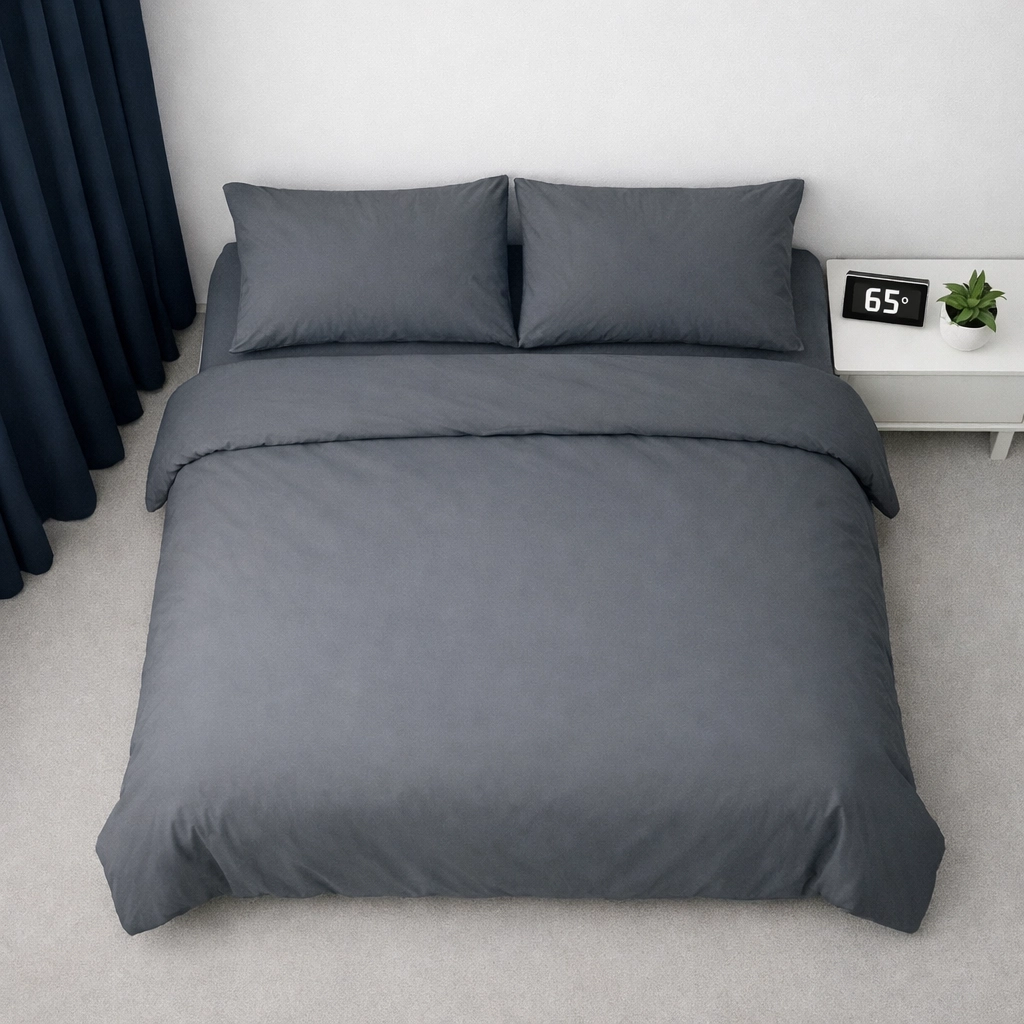
Your core body temperature needs to drop for deep sleep to occur. The ideal bedroom temperature is 60-67°F (15-19°C). Sleeping in a room that's too warm prevents you from reaching the deepest, most restorative sleep stages.
Caffeine Timing
Caffeine has a half-life of 5-6 hours. If you drink coffee at 3 PM, a quarter of that caffeine is still active in your system at 11 PM. It doesn't necessarily prevent sleep onset, but it reduces deep sleep quality throughout the night.
Bed Associations
If you work, watch TV, or scroll social media in bed, you've trained your brain to associate your bed with wakefulness. When you then try to sleep, your brain receives mixed signals about what should happen in that space.
What to Fix First
Start by ruling out or addressing the most common non-sleep causes:
1. Get comprehensive blood work
Request tests for:
- Thyroid function (TSH, Free T3, Free T4)
- Iron levels (ferritin, not just hemoglobin)
- Vitamin D
- Vitamin B12
- Blood glucose and HbA1c
2. Assess your stress and mental health
Chronic stress and unaddressed mental health conditions require targeted interventions. Sleep hygiene alone won't resolve these underlying issues.
3. Evaluate your training and recovery
If you're training intensely, ensure you're:
- Consuming adequate calories to support activity levels
- Getting sufficient protein (1.6-2.2g per kg body weight for active individuals)
- Taking proper rest days
- Not doing high-intensity training without adequate recovery periods
4. Optimize your sleep environment
Address the basics that affect everyone:
- Remove all light sources from your bedroom
- Keep temperature at 65°F or lower
- Cut off caffeine by 2 PM
- Reserve your bed exclusively for sleep
5. Time your supplements strategically
If you take supplements, timing matters. Consider magnesium supplementation in the evening to support relaxation and sleep quality. Explore options for metabolic support if blood sugar fluctuations contribute to nighttime awakenings.

When to See a Healthcare Provider
Seek professional evaluation if:
- Fatigue persists despite 2-3 weeks of optimized sleep hygiene
- You experience loud snoring, gasping, or witnessed breathing pauses during sleep
- Fatigue interferes with work, relationships, or safety (like driving)
- You have other symptoms like unexplained weight changes, temperature sensitivity, or digestive issues
- You suspect depression or anxiety is contributing to fatigue
Sleep studies can identify conditions like sleep apnea that you can't diagnose yourself. Blood work reveals nutritional deficiencies and hormonal imbalances that require medical treatment, not just better sleep habits.
The Bottom Line
Your sleep routine might be perfect, but if the wrong factors are causing your fatigue, no amount of sleep optimization will help. Quality matters more than quantity, and many causes of fatigue exist completely outside the realm of sleep itself.
Start with the factors you can measure and modify: get blood work, assess your recovery practices, optimize your environment, and honestly evaluate stress and mental health. Once you identify the actual cause, you can target your interventions effectively instead of endlessly tweaking a sleep routine that was never the real problem.