If you’ve spent any time researching how to get better sleep, you’ve likely run into two heavy hitters: Magnesium and Zinc. They are often grouped together in "sleep stacks" or recovery formulas, but they aren't the same thing.
While both are essential minerals that your body cannot produce on its own, they play very different roles in your biology. If you are staring at a shelf of supplements wondering which one will finally help you stop tossing and turning, you need to understand the mechanics of how they affect your brain and body at night.
In this guide, we’re breaking down the Magnesium vs. Zinc debate so you can decide which nighttime essential belongs in your cabinet.
Magnesium: The "Brake Pedal" for Your Nervous System
Magnesium is often called "nature's relaxant," and for good reason. It is involved in over 300 biochemical reactions in the body, but its most famous role is its ability to calm the nervous system.
How Magnesium Works for Sleep
Magnesium doesn’t just make you "tired" in a sedative sense; it prepares your body for sleep by regulating neurotransmitters. Specifically, it binds to GABA (gamma-aminobutyric acid) receptors. GABA is the neurotransmitter responsible for quieting down nerve activity. Think of it as the "brake pedal" for your brain.
When your GABA levels are healthy, your brain can switch off the "fight or flight" mode and transition into "rest and digest." Without enough magnesium, your neurons can become over-excited, leading to that "tired but wired" feeling where your mind races even though your body is exhausted.
Key Benefits of Magnesium
- Melatonin Regulation: Magnesium is necessary for the body to produce and regulate melatonin, the hormone that controls your sleep-wake cycle.
- Muscle Relaxation: It helps clear calcium from your muscle cells, allowing them to relax. This is why magnesium is often recommended for those suffering from nighttime leg cramps or restless leg syndrome.
- Cortisol Reduction: Research suggests magnesium can help lower cortisol levels: the stress hormone that often keeps people awake at 3:00 AM.

Which Type of Magnesium?
Not all magnesium is created equal. If you want sleep support, you should look for:
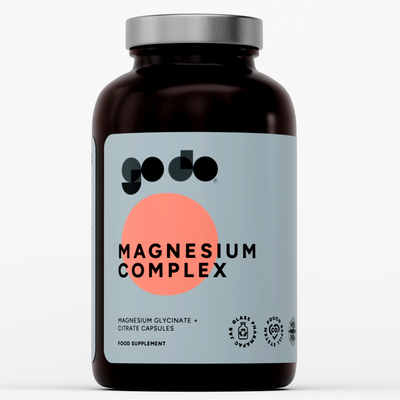
- Magnesium Glycinate: This is magnesium bound to glycine (an amino acid that also helps with sleep). It is highly absorbable and less likely to cause a laxative effect.
- Magnesium Citrate: Good for general supplementation, but in higher doses, it can cause digestive upset, which isn't ideal right before bed.
You can find high-quality options in our Vitamins and Minerals collection.
Zinc: The Support System for Sleep Quality
Zinc is a trace mineral, meaning you only need a small amount of it, but that small amount is vital. While magnesium is about falling asleep and relaxing, zinc is more about the quality of the sleep you get once you’re out.
How Zinc Works for Sleep
Zinc acts as a "co-factor." It doesn't necessarily drive the car, but the car won't start without it. In the context of sleep, zinc is a crucial component in the synthesis of melatonin and serotonin.
Research published in 2024 indicated that while zinc might not be a "cure" for clinical insomnia, people with higher zinc levels tend to have better sleep latency (they fall asleep faster) and higher sleep efficiency.
Key Benefits of Zinc
- Immune Support: Zinc is famous for its role in the immune system. Taking it at night allows your body to use the mineral during its primary repair and recovery phase.
- Hormone Regulation: Zinc is essential for maintaining healthy testosterone levels in men and overall hormonal balance in women, both of which affect sleep patterns.
- Cellular Repair: While you sleep, your body undergoes massive cellular turnover. Zinc is a requirement for DNA synthesis and cell division.

If you are looking for specific support for hormonal health alongside sleep, check out our Men's Health or Women's Health ranges.
Magnesium vs. Zinc: A Direct Comparison
If you have to choose just one, which should it be? Let’s look at the specific use cases.
| Feature | Magnesium | Zinc |
|---|---|---|
| Primary Goal | Relaxation & Falling Asleep | Sleep Quality & Recovery |
| Mechanism | Activates GABA receptors | Melatonin co-factor |
| Best For | Stress, Anxiety, Muscle Tension | Immunity, General Health, Daytime Fatigue |
| Direct Impact | High (direct calming effect) | Moderate (supporting role) |
| Daily Dose (Men) | 300 - 420 mg | 9.5 - 11 mg |
| Daily Dose (Women) | 270 - 320 mg | 7 - 8 mg |
Use Magnesium if:
- You struggle with anxiety or a racing mind at night.
- You have physical tension or muscle cramps.
- You find it hard to actually "shut down" and fall asleep.
Use Zinc if:
- You fall asleep okay but wake up feeling unrefreshed.
- You want to boost your immune system while you sleep.
- You are active in the gym and need extra support for muscle repair.

The Power of Synergy: Why Take Both?
Here is the secret: you don't actually have to choose. In fact, many of the most effective sleep supplements combine these two minerals.
The ZMA Effect
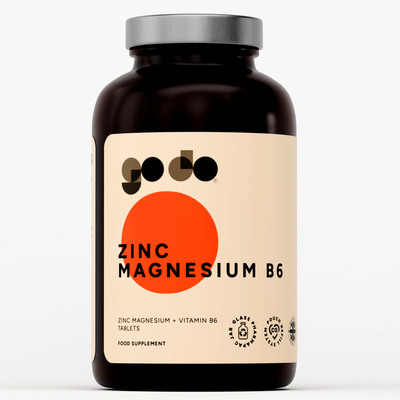
You may have heard of ZMA (Zinc Monomethionine Aspartate, Magnesium Aspartate, and Vitamin B6). This combination was originally designed for athletes to help with recovery, but it has become a staple for anyone wanting better sleep.
Research shows that magnesium and zinc work synergistically. One study found that nearly 60% of participants who took a combination of magnesium and zinc reported better sleep outcomes, compared to only 14% in a placebo group.
Why they work well together:
- Absorption: Magnesium can actually help the body regulate zinc levels, and B6 helps both minerals enter the cells more efficiently.
- Dual Action: Magnesium handles the mental and physical relaxation (the "falling asleep" part), while zinc handles the biochemical repair and melatonin production (the "staying asleep" part).
For those looking for comprehensive support, browsing our Sleep Collection is a great place to start.
How to Supplement Safely
Adding these minerals to your routine is generally very safe, but there are a few "pro-tips" to keep in mind to get the best results.
1. Timing is Everything
For Magnesium, take it about 30 to 60 minutes before you plan to sleep. This gives it enough time to hit your system and start activating those GABA receptors. Zinc can be taken at the same time.
2. Watch Your Stomach
Zinc on an empty stomach can sometimes cause nausea. If you have a sensitive stomach, take your nighttime minerals with a very small snack (like a few almonds) to buffer the absorption.
3. Avoid High Calcium at the Same Time
Calcium and Magnesium compete for the same absorption pathways. If you take a high-dose calcium supplement, try to take it in the morning and save your Magnesium/Zinc for the evening.
4. Quality Control
Ensure your supplements are manufactured in a controlled environment. All of our products are packed with care right here in the UK to ensure you get exactly what is on the label.

Food Sources: Getting Minerals from Your Diet
While supplements are a convenient way to ensure you hit your targets, you should also aim to get these minerals from your diet.
Top Magnesium Foods:
- Spinach and Chard: Dark leafy greens are powerhouse sources.
- Pumpkin Seeds: Just a handful provides a significant chunk of your daily needs.
- Dark Chocolate: A great excuse for a small square of 70%+ cocoa before bed.
- Almonds and Cashews: Perfect for healthy fats and minerals.
Top Zinc Foods:
- Shellfish (Oysters): The highest natural source of zinc available.
- Beef and Lamb: Red meat is highly bioavailable for zinc.
- Legumes: Chickpeas and lentils are great plant-based options.
- Hemp Seeds: Easy to sprinkle on yogurt or oats.
If you find that your diet is lacking in these areas, or if you are training hard and losing minerals through sweat, supplementation becomes much more important. You can explore our Strength and Fitness collection for more recovery aids.
Summary: Which One Wins?
In the battle of Magnesium vs. Zinc, there is no loser: only different roles.
- Magnesium is your primary tool for relaxation and falling asleep. It treats the symptoms of a stressed-out nervous system.
- Zinc is your tool for recovery and sleep depth. It ensures the "machinery" of your sleep cycle is well-oiled.
The Bottom Line: If you are serious about your sleep hygiene, a combination of both is usually the most effective path. Start by addressing your magnesium levels to help your body relax, and add zinc to ensure you wake up feeling recharged and ready to tackle the day.
Ready to upgrade your nightly routine? Visit Fitness Health to find the perfect mineral balance for your goals.