Sleep is no longer just a passive part of our day; it has become a primary pillar of health, right alongside nutrition and exercise. In the UK, recent surveys suggest that as many as one in three people suffer from poor sleep quality or insomnia. While the previous generation might have reached for heavy prescription sedatives, the current trend is shifting decisively toward natural, herbal alternatives.
The surge in interest regarding herbal supplements for sleep isn’t just a wellness fad. It is driven by a combination of new clinical research, a growing distrust of the side effects associated with synthetic sleep aids, and a broader cultural move toward "clean" living. Whether you are struggling to fall asleep or finding it impossible to stay asleep, understanding the science behind these herbal aids is the first step to reclaiming your rest.
The Problem with Traditional Sleep Medications
Before diving into why herbal supplements are trending, it is important to understand what they are replacing. Traditional over-the-counter (OTC) and prescription sleep medications often act as "blunt instruments." They sedate the central nervous system, which can lead to:
- Next-day grogginess: Often referred to as a "hangover" effect.
- Dependency: The body begins to rely on the chemical to initiate sleep.
- Tolerance: Over time, higher doses are required to achieve the same effect.
- Disrupted Sleep Architecture: Many synthetic aids help you go to sleep but prevent you from entering the deep, restorative REM stages.
Herbal supplements, by contrast, typically work by supporting the body’s existing biological processes, such as the production of GABA (gamma-aminobutyric acid) or the regulation of the circadian rhythm.
1. Valerian Root: The Natural Sedative
Valerian root is perhaps the most well-known herbal sleep aid in the UK. Used since the times of ancient Greece and Rome, it has stood the test of time for a reason.
How It Works
Valerian is believed to interact with GABA, a chemical messenger that helps regulate nerve impulses in your brain and nervous system. Researchers believe valerian inhibits the breakdown of GABA in the brain, resulting in feelings of calmness and tranquility. This is the same mechanism used by anti-anxiety medications like benzodiazepines, but in a much milder, natural form.
The Evidence
A meta-analysis of 18 randomized controlled trials found that valerian root significantly reduced "sleep latency": the time it takes to fall asleep: and improved overall sleep quality. Unlike many synthetic drugs, valerian does not typically leave users feeling drowsy the next morning.

2. Magnesium: The Mineral Foundation
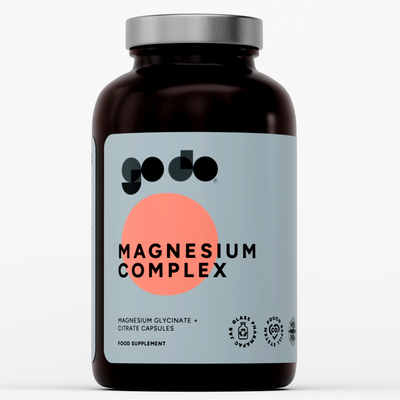
While technically a mineral rather than a herb, magnesium is almost always included in the conversation about natural sleep aids. It acts as a "gateway" for many other herbal remedies to work effectively.
The Science of Relaxation
Magnesium maintains healthy levels of GABA by adhering to its receptors. It also regulates the hormone melatonin, which guides sleep-wake cycles in your body. Furthermore, magnesium helps the body transition into a state of rest by relaxing the muscles and reducing cortisol, the "stress hormone."
Who Needs It?
Many people in the UK are deficient in magnesium due to soil depletion and processed diets. Supplementing with magnesium can be particularly helpful for those who suffer from "restless legs" or physical tension that prevents them from drifting off.
3. Chamomile and Apigenin
Chamomile is often dismissed as "just a tea," but when taken in concentrated supplement form, its effects are much more pronounced.
Targeted Calm
The secret to chamomile’s success is an antioxidant called apigenin. Apigenin binds to specific receptors in your brain that may promote sleepiness and reduce insomnia. While a cup of tea contains a small amount, a high-quality capsule provides a standardized dose that can be significantly more effective for those with chronic sleep issues.
4. The Power of "Hybrid" Herbal Blends
One reason the conversation around sleep supplements has intensified is the emergence of sophisticated blends. Instead of taking just one herb, many people are now using "hybrid" athletes' approaches to recovery, combining multiple ingredients that target sleep from different angles.
- Passionflower: Increases GABA levels in the brain to reduce mild anxiety.
- Hops: Often paired with valerian, hops help to lower body temperature, which is a key biological trigger for sleep.
- Lemon Balm: A member of the mint family that has been used since the Middle Ages to reduce stress and improve sleep.

Why Natural is Trending in the UK
The UK market has seen a specific shift toward herbal aids due to several factors:
- Accessibility: High-quality herbal supplements are now easily available online and in health stores, making it easier for people to take control of their health without a GP appointment.
- Safety Profile: Most herbal aids are classified as food supplements, meaning they generally have a lower risk of severe side effects compared to pharmaceutical Grade-A drugs.
- Eco-Conscious Values: British consumers are increasingly looking for plant-based, vegan-friendly options. You can learn more about how we prioritize these values in our FAQ on Eco Credentials.
The Importance of Gut Health in Sleep
One often overlooked aspect of the sleep conversation is the "gut-brain axis." Recent research has shown that a healthy gut microbiome is essential for the production of serotonin, which is a precursor to melatonin (the sleep hormone).
If your digestion is sluggish or your gut flora is out of balance, your sleep will likely suffer regardless of how many herbs you take. This is why many people who focus on sleep also invest in Gut Health Collections to ensure their body can actually process and utilize the nutrients they are consuming.
Practical Guide: How to Use Herbal Sleep Aids
To get the most out of herbal supplements, you cannot simply take them whenever you feel like it. Precision is key.
Timing is Everything
Most herbal aids, especially valerian and passionflower, should be taken 30 to 60 minutes before bed. This allows the compounds to be absorbed into the bloodstream and begin interacting with the brain's receptors just as you are putting your head on the pillow.
Start Low and Slow
Even though these are natural, everyone’s body chemistry is different. Start with the lowest recommended dose on the bottle and monitor how you feel the next morning. If you find yourself still awake after 30 minutes, you can gradually increase the dose over several nights.
Consistency Wins
Unlike a heavy sleeping pill that knocks you out instantly, herbal supplements often have a cumulative effect. You might notice a slight improvement on night one, but the full benefits: such as improved sleep architecture and daytime alertness: often take 2 to 4 weeks of consistent use to manifest.
Safety and UK Regulations
When shopping for herbal supplements in the UK, it is vital to buy from reputable sources. Look for products that clearly list their ingredients and dosages.
A note on safety:
- Pregnancy: Always consult a healthcare professional before taking herbal aids if you are pregnant or breastfeeding.
- Interactions: If you are currently taking medication for blood pressure, depression, or anxiety, check for potential interactions.
- Alcohol: Never mix herbal sleep aids with alcohol, as both can depress the central nervous system and lead to dangerous levels of sedation.
For more information on product safety and usage, you can visit our Product FAQ page.
Beyond the Bottle: The Holistic Approach
Herbal supplements are powerful tools, but they work best when combined with good "sleep hygiene." To maximize your results:
- Stop Blue Light Exposure: Turn off screens 60 minutes before bed.
- Keep it Cool: Your bedroom should be around 18°C for optimal sleep.
- Consistent Schedule: Go to bed and wake up at the same time every day, even on weekends.
- Support Your Body: Physical health and sleep are linked. Ensuring you have adequate Immunity Support can prevent minor illnesses from disrupting your rest.

Key Takeaways
- Valerian and Passionflower are excellent for those who struggle with a racing mind and anxiety at night.
- Magnesium is essential for physical relaxation and melatonin production.
- Natural aids offer a reduced risk of dependency and morning grogginess compared to synthetic drugs.
- Consistency is vital; give herbal remedies at least two weeks to show their full potential.
- UK Quality matters; always choose standardized extracts from trusted suppliers.
If you are ready to start your journey toward better rest, explore our range of health-focused supplements on our Frontpage. If you have specific questions about which supplement is right for your lifestyle, don't hesitate to Contact Us or use our Chat service for direct assistance.
Stop settling for "tired." By leveraging the power of nature and modern science, you can finally get the deep, restorative sleep your body deserves.