TL;DR: Which Magnesium Should You Buy?
- For sleep + stress relief: Magnesium glycinate (gentle, calming, no digestive upset)
- For racing thoughts + brain fog: Magnesium threonate (crosses into brain tissue)
- For constipation issues: Magnesium citrate (laxative effect makes it unsuitable for evening use)
- For muscle cramps + active lifestyles: Consider magnesium alongside proper electrolyte support
If you're dealing with stress-related sleep issues, tension, or general restlessness, magnesium glycinate is the go-to choice for most people.
Why Magnesium Matters for Sleep and Stress
Magnesium plays a direct role in how your nervous system functions. It helps regulate neurotransmitters that signal your brain to wind down, supports muscle relaxation, and influences melatonin production: the hormone that controls your sleep-wake cycle.
When you're stressed, your body burns through magnesium faster. This creates a feedback loop: stress depletes magnesium, and low magnesium makes it harder to manage stress. The result? Difficulty falling asleep, restless nights, and waking up feeling unrested.
Research shows that people with higher magnesium intake consistently report better sleep quality and are less likely to sleep fewer than seven hours per night. While the link between magnesium and clinical anxiety disorders is still unclear, studies do show benefits for mild stress symptoms and general nervous tension.
Here's what magnesium does when taken consistently:
- Calms the central nervous system by supporting GABA activity
- Reduces physical tension in muscles
- Helps regulate cortisol (your primary stress hormone)
- Supports natural melatonin rhythms

Magnesium Types Explained: The Real Differences
Not all magnesium supplements are created equal. The form (or "salt") that magnesium is bound to determines how your body absorbs it, where it works, and what side effects you might experience.
Magnesium Glycinate
What it is: Magnesium bound to glycine, an amino acid with natural calming properties.
Best for: Sleep quality, stress relief, muscle tension, people with sensitive digestion.
Why it works: Glycinate is highly bioavailable (your body absorbs it well) and doesn't cause digestive upset. The glycine component independently supports GABA activity in the brain, which promotes relaxation. It's the most gentle form for long-term evening use.
Drawbacks: Slightly more expensive than citrate or oxide.
Magnesium Threonate
What it is: Magnesium L-threonate is a newer form specifically designed to cross the blood-brain barrier.
Best for: Cognitive stress, racing thoughts at night, brain fog, mental fatigue.
Why it works: Unlike other forms, threonate reaches brain tissue directly. Studies show it improves deep sleep and REM sleep phases, making it particularly effective if your insomnia stems from an overactive mind rather than physical tension.
Drawbacks: Significantly more expensive. Provides less elemental magnesium per dose compared to other forms.
Magnesium Citrate
What it is: Magnesium bound to citric acid.
Best for: Constipation relief, occasional digestive sluggishness.
Why it's not ideal for sleep: Citrate has a mild laxative effect. While it's well-absorbed, taking it before bed can lead to nighttime bathroom trips or digestive discomfort. Better suited for morning or daytime use.
Drawbacks: Can cause loose stools if dosed too high. Not recommended for people with IBS or sensitive digestion.
Magnesium Oxide
What it is: A common, inexpensive form found in many multivitamins and cheap supplements.
Absorption profile: Poor. Only about 4% of magnesium oxide is absorbed by your body, with the rest passing through your digestive system unused.
Why it's mentioned: You'll see it on shelves because it's cheap to manufacture. Not recommended for sleep or stress support: choose glycinate or threonate instead.

How to Choose: Simple Decision Tree
Start here: What's your primary concern?
If you want general sleep + stress support:
→ Choose magnesium glycinate
Ideal if you struggle to fall asleep, feel physically tense, or wake up frequently. Works well for most people and is gentle enough for nightly use.
If you have racing thoughts or mental stress keeping you awake:
→ Choose magnesium threonate
Best for cognitive overload, worry spirals, or difficulty "switching off" your brain at night. Particularly useful if you work in high-stress environments or deal with decision fatigue.
If you're prone to constipation:
→ Choose magnesium citrate (but take it in the morning, not at night)
Use it for digestive regularity rather than sleep support. If you need both sleep help and digestive support, consider glycinate at night and citrate in the morning.
If you train hard and deal with muscle cramps:
→ Choose magnesium glycinate + check your overall electrolyte balance
Cramping often signals broader electrolyte imbalances (sodium, potassium, calcium). Magnesium helps, but don't overlook hydration and mineral intake around training.
If you have a sensitive stomach or IBS:
→ Always choose glycinate
Avoid citrate and oxide. Glycinate is the gentlest option and won't aggravate digestive issues.
How to Take Magnesium for Best Results
Timing
For sleep: Take 60–90 minutes before bed. This gives your body time to absorb it and allows the calming effects to kick in as you wind down.
For stress management throughout the day: Split your dose: half in the morning, half in the evening. This maintains steadier magnesium levels.
With or Without Food?
Magnesium glycinate and threonate can be taken on an empty stomach or with food. If you experience any mild nausea, take it with a small snack.
Magnesium citrate should always be taken with food to minimize digestive upset.
How Long Until You Notice Effects
- Sleep quality improvements: 1–2 weeks of consistent use
- Stress and tension relief: 3–4 weeks
- Muscle relaxation: Within a few days
Magnesium is not a sedative. It won't knock you out immediately. It works by supporting your body's natural relaxation pathways over time.

Dosing Basics and Safety Guidelines
Recommended Doses
- For sleep + stress (glycinate): Start with 200–300 mg elemental magnesium per evening. Increase to 400 mg if needed after one week.
- For cognitive support (threonate): Follow product-specific guidance: typically 1,500–2,000 mg magnesium L-threonate (which provides 144–192 mg elemental magnesium).
- For digestive support (citrate): 200–400 mg in the morning.
Important: Always check the label for elemental magnesium content. A 500 mg capsule of magnesium glycinate may only contain 100 mg of actual magnesium.
Common Side Effects
- Loose stools or diarrhea (especially with citrate or high doses)
- Mild nausea (usually resolves when taken with food)
- Vivid dreams (some people report more intense dream activity on magnesium)
If you experience digestive upset, lower your dose or switch to glycinate.
Who Should Speak to a Clinician First
Talk to your doctor before supplementing magnesium if you:
- Take prescription medications for heart conditions, blood pressure, or antibiotics (magnesium can interact)
- Have kidney disease or impaired kidney function (magnesium is filtered by kidneys)
- Take diuretics or other medications that affect mineral balance
- Are pregnant or breastfeeding
- Have been diagnosed with a magnesium-related health condition
Do not exceed 350 mg of supplemental magnesium per day without medical supervision (this is in addition to dietary magnesium from food).
Frequently Asked Questions
Can I take magnesium every day?
Yes. Magnesium is safe for long-term daily use within recommended doses. Your body naturally regulates excess through urine, though very high doses can cause digestive issues.
Why did magnesium give me weird dreams?
Magnesium can enhance REM sleep, which is when vivid dreaming occurs. If dreams become disruptive, try lowering your dose or taking magnesium earlier in the evening.
Can I combine magnesium with other sleep or stress supplements?
Magnesium pairs well with:
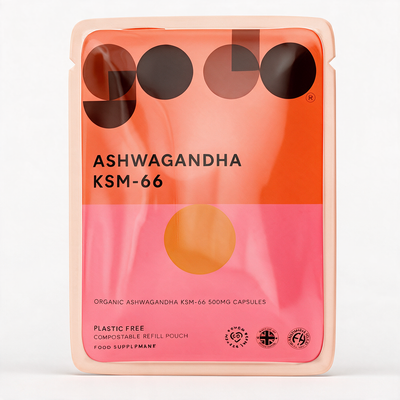
- Ashwagandha (adaptogen for stress response): check out stress support options
- L-theanine (promotes calm focus)
- Zinc (supports immune function and sleep quality)
Avoid combining with melatonin right away: try magnesium alone for 2–3 weeks first. Melatonin is a hormone and should be used strategically, not habitually.
What if magnesium doesn't help my sleep?
If you've taken magnesium glycinate consistently for 3–4 weeks without improvement, consider:
- Sleep hygiene issues (screen time, caffeine after 2 PM, inconsistent bedtime)
- High caffeine intake masking magnesium's effects
- Underlying health issues (sleep apnea, chronic pain, hormonal imbalances)
- Stress levels that require additional support (therapy, adaptogens, lifestyle changes)
Magnesium is a support tool, not a cure-all.

What to Do Next
If you're dealing with stress-related sleep disruption, start with magnesium glycinate at 200–300 mg per evening, taken 60–90 minutes before bed. Take it consistently for at least two weeks before assessing effectiveness.
Pair your magnesium supplement with basic sleep hygiene: dim lighting after 8 PM, no screens in bed, consistent wake times, and a wind-down routine.
If your sleep issues are primarily mental (racing thoughts, worry loops), consider magnesium threonate instead: but expect a higher price point.
For additional support, explore complementary approaches like adaptogenic herbs for stress management or focus on overall nutrient balance with a quality multivitamin routine.
Magnesium won't fix everything, but it's one of the simplest, safest, and most effective tools for improving sleep quality and managing everyday stress.