Stress disrupts nearly everything: sleep quality declines, recovery slows, energy drops, and decision-making becomes harder. When you're locked in a stress cycle, your body burns through nutrients faster than usual: and magnesium is one of the first to go.
This creates a feedback loop. Chronic stress depletes magnesium stores, and low magnesium makes you more reactive to stress. Research shows that roughly 60% of people experiencing significant stress show signs of magnesium deficiency. That bidirectional relationship is why magnesium supplements often appear in stress-management conversations.
But here's the reality: magnesium isn't a sedative. It won't instantly calm a racing mind or erase a stressful day. What it can do is support the systems that help you respond to stress more effectively: particularly when combined with other foundational habits.
What Magnesium Actually Does During Stress
Magnesium influences stress response through three primary mechanisms.
It helps regulate cortisol. Magnesium blunts the neuroendocrine pathways that send cortisol to your brain, reducing the overall cortisol load during prolonged stress periods. Lower cortisol means less fight-or-flight activation throughout the day.
It modulates neurotransmitter activity. Magnesium blocks excessive glutamate (an excitatory neurotransmitter) and promotes GABA release (an inhibitory neurotransmitter that supports calm). This prevents your nervous system from staying in overdrive when you're stressed.
It acts as a natural muscle relaxant. Physical tension: tight shoulders, clenched jaw, restless legs: is a common stress symptom. Magnesium helps muscles relax, which can reduce that physical feedback loop that reinforces mental stress.

Studies also show magnesium may improve sleep quality and mood, with measurable increases in sleep duration, deep sleep phases, and overall sleep efficiency compared to placebo. Better sleep makes stress more manageable; poor sleep amplifies it.
What Magnesium Cannot Reliably Do
The evidence becomes less clear when we look at direct anxiety and stress reduction in humans.
Animal studies consistently show magnesium reduces anxiety-like behaviors. But human studies produce mixed results. One clinical trial found significant improvements in sleep and mood, but only nonsignificant changes in perceived stress and anxiety scales. Another review found positive results in 5 out of 7 anxiety studies: better than chance, but far from conclusive.
Most human studies rely on self-reported experiences rather than objective physiological measures. That doesn't mean the benefits aren't real, but it does mean magnesium won't work the same way for everyone.
If you're dealing with severe or clinical-level anxiety, magnesium alone isn't a replacement for professional support. It's a tool, not a treatment.
Which Magnesium Type Works Best for Stress
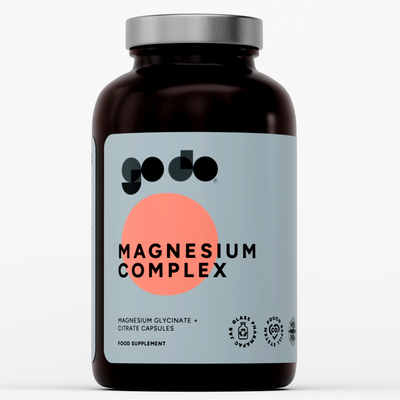
Magnesium glycinate is the most commonly recommended form for stress-related support.
Glycinate combines magnesium with glycine, an amino acid that has its own calming properties. This form is well-absorbed, gentle on the digestive system, and less likely to cause loose stools compared to magnesium citrate.
Effective doses in studies typically range from 250–400 mg daily. Higher-dose protocols (300 mg) showed the strongest results when combined with vitamin B6 (30 mg), with reductions in depression, anxiety, and stress scores reaching up to 45%: particularly in people with severe baseline stress.
Start with 200–250 mg taken in the evening, 60–90 minutes before bed. If you're sensitive to supplements, begin at 100 mg and increase gradually over a week.
Magnesium citrate is another option, but it has a mild laxative effect. If you already struggle with loose stools or IBS, stick with glycinate.
For a detailed comparison of magnesium types, check out this guide.
Simple Stack Ideas: Magnesium + Adaptogens + Sleep Hygiene
Magnesium works best as part of a broader routine, not as a standalone fix. Here are three practical stacks.

Stack 1: Magnesium + Adaptogen for Stress Resilience
What it is: Pair magnesium glycinate (250–300 mg) with an adaptogenic herb like ashwagandha.
Why it works: Adaptogens help your body manage the physiological response to stress over time. Ashwagandha, specifically, has been shown to reduce cortisol levels and improve stress resilience in multiple studies. Combined with magnesium's neurotransmitter support, you get a dual-action approach: one that calms the nervous system (magnesium) and one that builds long-term stress tolerance (ashwagandha).
How to use it: Take magnesium in the evening. Take ashwagandha with breakfast or lunch (it can cause mild alertness in some people if taken too close to bedtime). Give it 2–4 weeks to notice consistent effects.
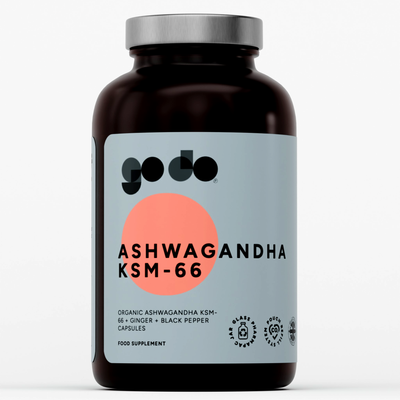
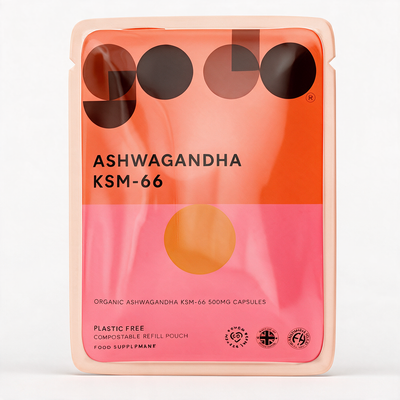
If you're looking for a quality ashwagandha option, this KSM-66 formula is formulated for stress and energy support.
Stack 2: Magnesium + Electrolytes for Active People
What it is: Combine magnesium with a balanced electrolyte blend (sodium, potassium, calcium).
Why it works: If you train regularly, sweat heavily, or work in a physically demanding job, you lose both magnesium and electrolytes. Low magnesium combined with electrolyte imbalance leads to muscle cramps, fatigue, and poor recovery: all of which worsen stress perception. Replacing both simultaneously prevents that compounding effect.
How to use it: Take magnesium in the evening. Use electrolytes during or after training, or first thing in the morning if you wake up dehydrated. Avoid high-sugar sports drinks; opt for clean electrolyte powders or tablets.
Stack 3: Magnesium + Sleep Hygiene Routine
What it is: Use magnesium as an anchor for a consistent evening wind-down routine.
Why it works: Magnesium supports sleep architecture, but it won't override poor sleep hygiene. Pairing supplementation with behavioral habits amplifies the effect.
Sleep hygiene checklist:
- Take magnesium 60–90 minutes before bed
- Dim lights and reduce screen time 1 hour before sleep
- Keep bedroom temperature cool (16–19°C)
- Avoid caffeine after 2 PM
- Limit alcohol (it disrupts deep sleep even if it makes you drowsy initially)
- Stick to the same sleep and wake times, even on weekends
How to use it: Build the routine first, then add magnesium as reinforcement. Don't expect magnesium to compensate for inconsistent sleep timing or late-night scrolling.

Common Mistakes People Make with Magnesium for Stress
Starting with Too High a Dose
The most common side effect is digestive upset: specifically, loose stools or diarrhea. This is especially true with magnesium citrate, but even glycinate can cause issues if you start too high.
Begin at 100–200 mg. Increase slowly over 7–10 days. Your tolerance will build, and you'll find the dose that works without causing GI issues.
Taking Citrate When You're Already Prone to Digestive Issues
If you have IBS, frequent loose stools, or a sensitive stomach, avoid magnesium citrate. It's designed to pull water into the intestines, which is helpful for constipation but disruptive if your gut is already reactive.
Stick with magnesium glycinate or magnesium threonate.
Expecting Instant Results
Magnesium isn't a fast-acting anxiolytic. Some people notice subtle relaxation within a few days, but most research shows benefits emerge after 2–4 weeks of consistent use.
If you're not seeing changes after a month, reassess your dose, timing, and whether other factors (sleep deprivation, poor diet, caffeine overuse) are overwhelming magnesium's effects.
Taking It Inconsistently
Taking magnesium only on "high-stress days" won't build the steady support your nervous system needs. Consistent daily intake allows magnesium to accumulate in tissues and maintain stable neurotransmitter regulation.
Treat it like a daily habit, not a rescue tool.
Safety Notes and When to Be Cautious
Magnesium is generally well-tolerated, but a few situations require caution.
Kidney issues: If you have chronic kidney disease or impaired kidney function, high magnesium intake can accumulate to dangerous levels. Speak with a clinician before supplementing.
Medication interactions: Magnesium can interfere with certain antibiotics (tetracyclines, fluoroquinolones) and medications for osteoporosis (bisphosphonates). Take magnesium at least 2 hours apart from these medications.
Digestive conditions: If you have severe IBS-D (diarrhea-predominant IBS), start with very low doses (50–100 mg) to test tolerance.
Most people tolerate 300–400 mg daily without issue. The tolerable upper limit for supplemental magnesium is 350 mg for adults, though this refers to elemental magnesium from supplements only: food sources don't carry the same risk.
If you experience persistent nausea, severe diarrhea, or unusual fatigue, reduce your dose or stop supplementing and consult a healthcare provider.

Final Thoughts: Magnesium as Part of a Bigger Picture
Magnesium supports stress management, but it's not a standalone solution.
It works best when combined with adaptogens, electrolytes, or consistent sleep hygiene. It helps regulate cortisol, calm an overactive nervous system, and improve sleep quality: all of which make stress more manageable.
But it won't erase a chaotic schedule, chronic sleep deprivation, or unresolved external stressors. Those require behavioral changes, not supplements.
Start with 200–250 mg of magnesium glycinate in the evening. Build it into a consistent routine. Give it 2–4 weeks. If you're still not seeing results, reassess the other variables in your stress equation: sleep, caffeine intake, training volume, and recovery habits.
Magnesium is a tool. Use it strategically, and it can make a real difference.