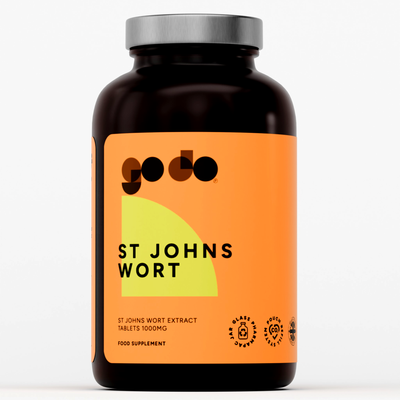
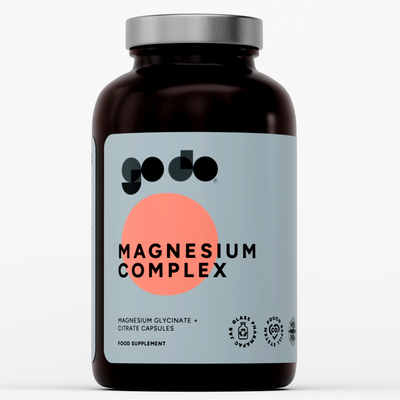
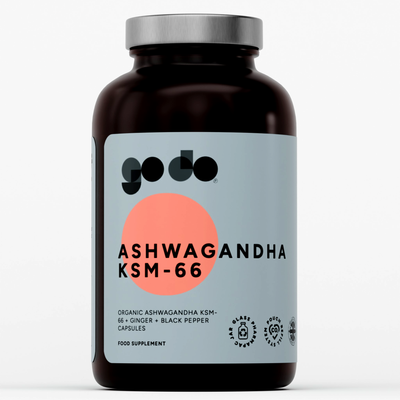
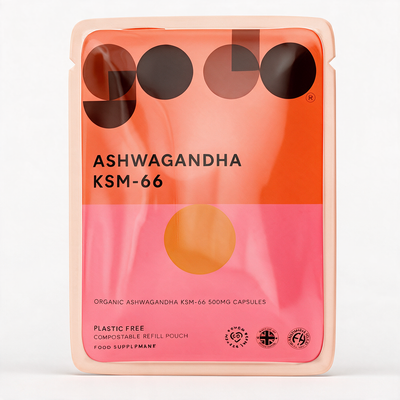
It’s 2026, and life doesn't seem to be slowing down. Between digital overload and the daily grind, stress has become a constant companion for many of us. While a holiday or a long weekend sounds great, sometimes your nervous system needs a little extra support to find its "reset" button.
At Fitness Health, we get it. But walking into the supplement aisle: or scrolling through our stress collection: can be overwhelming. Do you need Ashwagandha? Is Rhodiola better? What on earth is Lemon Balm?
Choosing the right herb isn't just about picking the most popular one; it’s about matching the supplement to your specific type of stress. Are you "tired but wired"? Or are you mentally exhausted and unable to focus?
In this guide, we’re breaking down the heavy hitters of the herbal world so you can choose exactly what your body needs.
Understanding Your Stress Type
Before we dive into the herbs, let's identify how stress shows up for you. Generally, stress-related symptoms fall into two main categories:
- Mental Fatigue & Burnout: You feel "brain fog," lack motivation, and struggle to concentrate. You’re physically there, but your brain is checked out.
- Physical Anxiety & Tension: You feel jittery, your heart rate is slightly elevated, your muscles are tight, and you might have trouble switching off at night.
Different herbs target different pathways in the body. Some work on the HPA axis (your central stress response system) to lower cortisol, while others interact with GABA receptors in the brain to promote immediate relaxation.

1. Ashwagandha: The Heavyweight Champion for Cortisol
If you’ve looked into supplements at all recently, you’ve definitely heard of Ashwagandha. It is an adaptogen, which means it helps your body "adapt" to stress and brings it back to a state of balance.
Best For: General Stress and "Tired but Wired" Feelings
Ashwagandha is arguably the most researched herbal supplement in 2026. Its primary job is to regulate the HPA axis and lower cortisol: the "stress hormone."
- The Science: Clinical studies have shown that high-quality Ashwagandha extracts can lead to a significant reduction in perceived stress scores (up to 64% in some 60-day trials).
- When to take it: It’s versatile. You can take it in the morning for all-day balance or in the evening to help improve sleep quality.
- Key Benefit: It doesn’t just "mask" stress; it helps your body stop overreacting to daily triggers.
Check out our full range of Ashwagandha and stress-relief formulas here.
2. Rhodiola Rosea: The Mental Performance Booster
If Ashwagandha is for calming down, Rhodiola is for powering through. It’s another adaptogen, but it has a slightly more stimulating effect on the mind.
Best For: Mental Fatigue, Focus, and Burnout
Rhodiola is legendary for its ability to reduce fatigue and improve mental performance under pressure. It’s a favorite for students during exams or professionals facing big deadlines.
- The Science: It influences the release of stress hormones while supporting energy metabolism. It’s particularly effective at reducing that "burnt out" feeling where you just can't get started.
- When to take it: Definitely in the morning or early afternoon. Because it supports energy, taking it too late might keep you awake.
- Key Benefit: It helps you maintain peak mental performance without the jitters often associated with caffeine.
For those looking to combine stress relief with a brain boost, our nootropics collection often features these types of energy-supporting adaptogens.
3. Lemon Balm: The Gentle Relaxant
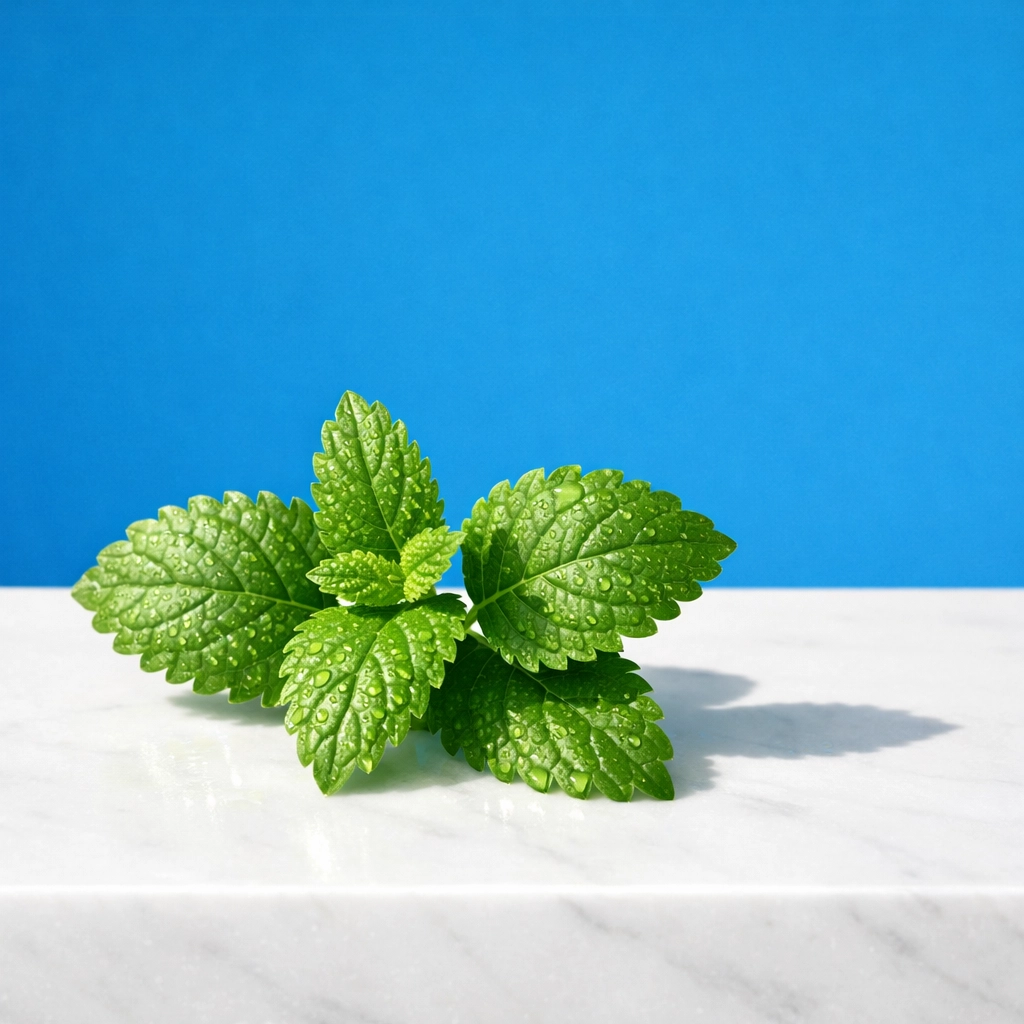
Lemon Balm is part of the mint family and has been used for centuries to soothe the soul. Unlike the adaptogens mentioned above, Lemon Balm works more directly on the nervous system.
Best For: Daytime Anxiety and Nervous Tension
If you feel a sense of "dread" or physical tension during the day but don't want to feel sleepy, Lemon Balm is your go-to.
- The Science: It works by increasing levels of GABA (gamma-aminobutyric acid) in the brain. GABA is a neurotransmitter that tells your brain to "slow down" and relax.
- When to take it: Anytime you feel a spike in anxiety. It’s very safe and rarely causes the "fog" associated with stronger sedatives.
- Key Benefit: It helps preserve mental alertness while stripping away the sharp edges of stress.
4. Holy Basil (Tulsi): The Mood Balancer
Holy Basil, often called "Tulsi," is a staple in Ayurvedic medicine. It occupies a middle ground between the heavy cortisol-lowering of Ashwagandha and the gentle relaxation of Lemon Balm.
Best For: Emotional Balance and Calm Energy
Holy Basil is fantastic if your stress manifests as mood swings or irritability. It helps provide a "calm energy" that isn't stimulating but keeps you feeling level-headed.
- The Science: Like Ashwagandha, it helps lower cortisol, but it also has antioxidant properties that protect the body from the physical damage stress causes.
- When to take it: It’s great as a tea or a capsule in the mid-afternoon when the day starts to feel heavy.
5. Valerian Root & Magnolia Bark: The Sleep Support Duo
Sometimes stress isn't the problem during the day: it’s the problem at 2:00 AM when your mind won't stop racing.
Best For: Stress-Induced Insomnia
Valerian Root and Magnolia Bark are mild sedatives. They don't just "help" with stress; they actively encourage the body to enter a sleep state.
- The Science: These herbs are much more potent in their interaction with GABA receptors than Lemon Balm. Magnolia Bark, in particular, contains compounds called honokiol and magnolol that are specifically linked to lowering evening cortisol.
- When to take it: 30–60 minutes before bed.
- Key Benefit: They help you fall asleep faster and stay asleep longer by shutting down the "flight or fight" response.
Explore our sleep collection for specialized evening formulas.
Supplement Comparison Table
To make your choice easier, we’ve put together this quick-reference guide:
| Supplement | Best For... | Primary Effect | Timing |
|---|---|---|---|
| Ashwagandha | Chronic stress / High Cortisol | Systemic balance | Morning or Night |
| Rhodiola | Burnout / Mental Fatigue | Energy & Focus | Morning |
| Lemon Balm | Physical Jitters / Anxiety | Immediate Calm | As needed |
| Holy Basil | Mood Swings / Irritability | Emotional Leveling | Mid-day |
| Valerian Root | Racing Thoughts at Night | Sedation / Sleep | Bedtime |
How to Choose: A 3-Step Strategy
Still not sure which one to put in your basket? Follow this simple decision-making process:
Step 1: Identify the "Timing" of Your Stress
- Always stressed? Go with an adaptogen like Ashwagandha.
- Only stressed at work? Try Rhodiola.
- Only stressed at night? Look at Valerian or Magnesium.
Step 2: Consider Your Energy Levels
If you are already exhausted, avoid heavy sedatives during the day. If you are hyper-active and can't sit still, avoid stimulating adaptogens like Panax Ginseng or Rhodiola until you’ve balanced your baseline with Ashwagandha.
Step 3: Start Small and Single
When starting herbal supplements, it’s often best to try one at a time for at least two weeks. This allows you to see exactly how your body reacts before you start "stacking" different herbs.
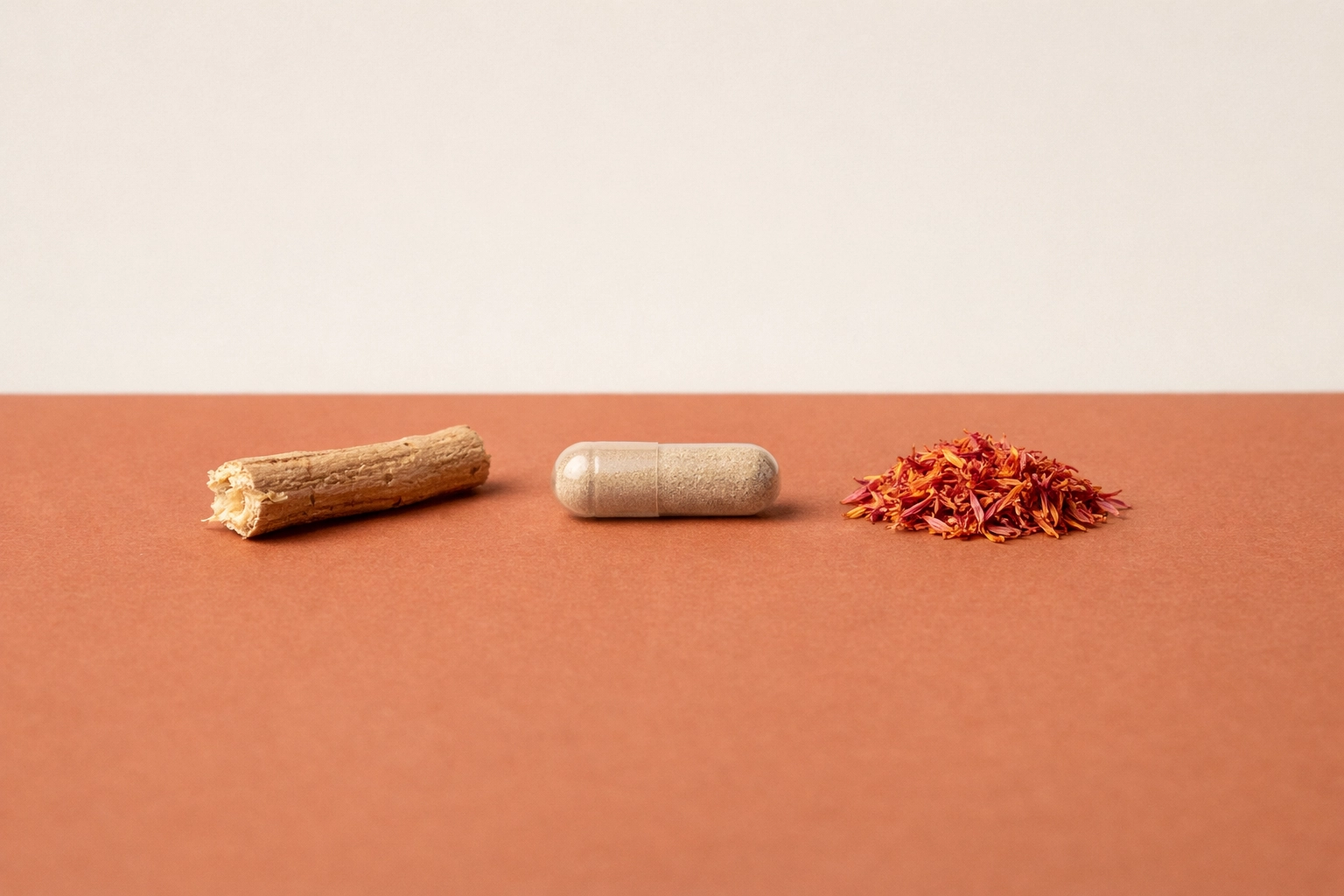
Important Safety Information
While herbal supplements are natural, they are powerful. Here are a few things to keep in mind:
- Quality Matters: Always look for "standardized extracts." This ensures you are getting a consistent amount of the active compound (like withanolides in Ashwagandha or rosavins in Rhodiola).
- Consult Your Doctor: If you are pregnant, breastfeeding, or taking medication (especially for blood pressure or thyroid issues), talk to a healthcare professional first.
- Be Patient: Adaptogens like Ashwagandha and Rhodiola aren't "instant" fixes like a cup of coffee. It usually takes 2–4 weeks of consistent use to feel the full effects on your nervous system.
Summary Checklist for Stress Relief
- For mental focus without the crash: Choose Rhodiola. (See our pre-workout focus blog for more on this!)
- For lowering high cortisol levels: Stick with Ashwagandha.
- For calming "panic" feelings: Use Lemon Balm.
- For sleep-related stress: Go for Valerian or Magnolia Bark.
At Fitness Health, we believe that managing stress is a holistic journey. Supplements are a fantastic tool, but they work best when combined with good sleep hygiene and a balanced diet.
Ready to find your calm? Browse our Stress Relief Collection today and take the first step toward a more balanced you.