Getting a good night’s sleep isn't just about feeling refreshed the next morning; it is a fundamental pillar of your overall health. When you sleep, your body repairs tissues, consolidates memories, and regulates the hormones that control everything from your appetite to your stress levels. Unfortunately, for many of us in the UK, "drifting off" is easier said than done. Whether it’s a racing mind or physical restlessness, sleep issues are a common hurdle.
While pharmaceutical interventions exist, many people are turning toward natural alternatives to avoid the "hangover" feeling often associated with over-the-counter sleep aids. In this guide, we will break down the most effective herbal supplements for sleep, explaining how they work and how you can use them to reclaim your rest.
Why Choose Herbal Supplements for Sleep?
The primary advantage of choosing herbal supplements for sleep is their ability to work with your body’s natural chemistry. Unlike heavy sedatives that force the brain into an unconscious state, most herbs act as "nervines." These are substances that calm the nervous system, reduce cortisol (the stress hormone), and encourage the production of GABA (gamma-aminobutyric acid), a neurotransmitter that signals to your brain that it is time to relax.
Using natural aids can help you establish a sustainable sleep routine without the risk of dependency often found in synthetic options.
The Heavy Hitters: Most Effective Herbal Sleep Aids
If you are looking to start your journey with natural sleep support, these are the ingredients backed by the most significant clinical research.
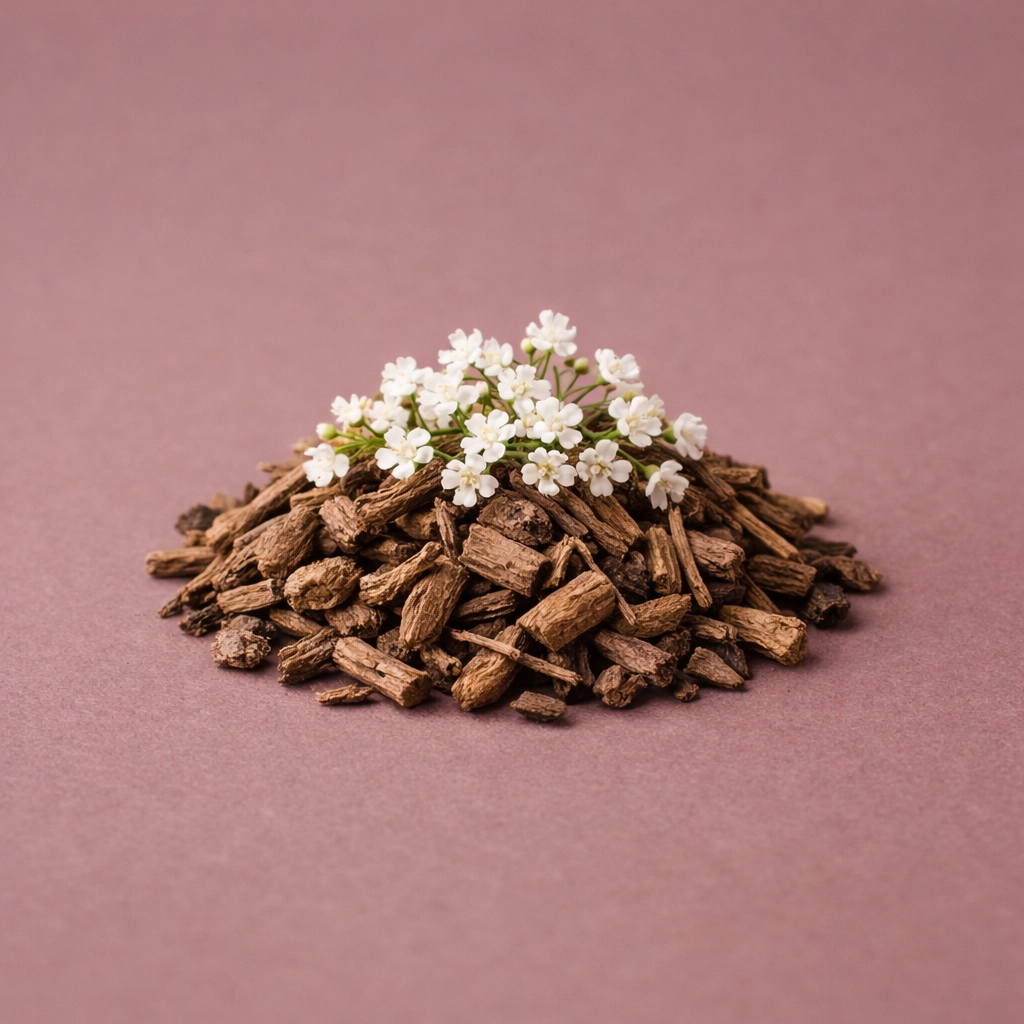
1. Valerian Root (Valeriana officinalis)
Valerian root is perhaps the most well-known herbal supplement for sleep. It has been used since ancient Greek and Roman times to treat insomnia and anxiety.
- How it works: Valerian is thought to increase the amount of GABA in the brain. By preventing the breakdown of GABA, it helps the nervous system transition from "fight or flight" mode into "rest and digest."
- The Evidence: Meta-analysis data suggests that valerian can significantly reduce the time it takes to fall asleep (sleep latency) and improve the quality of that sleep without leaving you groggy in the morning.
- Dosage: Most studies suggest taking between 300mg to 600mg about 30 to 60 minutes before bed.
2. Melatonin
While technically a hormone rather than an "herb," melatonin is a staple in the natural health community. Your body naturally produces melatonin in the pineal gland as it gets dark, signalling to your internal clock that it is night.
- How it works: Taking a melatonin supplement can help "reset" your circadian rhythm. This is particularly useful for those dealing with jet lag, shift work, or Delayed Sleep Phase Disorder.
- Best Use: It is most effective for people who have trouble falling asleep at a consistent time, rather than those who wake up frequently during the night.
- Guidance: Check out our Sleep Collection for formulations that balance melatonin with other soothing botanicals.
3. Hops (Humulus lupulus)
You might recognize hops as a key ingredient in beer, but its sedative properties are even more useful in supplement form.
- How it works: Hops contain a specific bitter acid that acts on the same receptors as melatonin. When combined with valerian, hops have been shown to lower body temperature: a key biological trigger that tells the body it is time to sleep.
- The Synergy: Research indicates that hops and valerian work better together than they do individually.
Addressing the Anxiety-Sleep Connection
Often, the reason you can’t sleep isn’t physical; it’s mental. If your brain starts a "to-do list" the moment your head hits the pillow, you need herbs that target the stress response.
Passionflower (Passiflora incarnata)
Passionflower is a beautiful climbing vine with powerful sedative properties. It is frequently used in Europe to treat "nervous restlessness."
- The Mechanism: Like valerian, passionflower boosts GABA levels. A study published in Phytotherapy Research found that participants who drank a daily cup of passionflower tea reported significantly better sleep quality than those who didn't.
- Best for: People who experience "tired but wired" feelings or mild anxiety before bed.
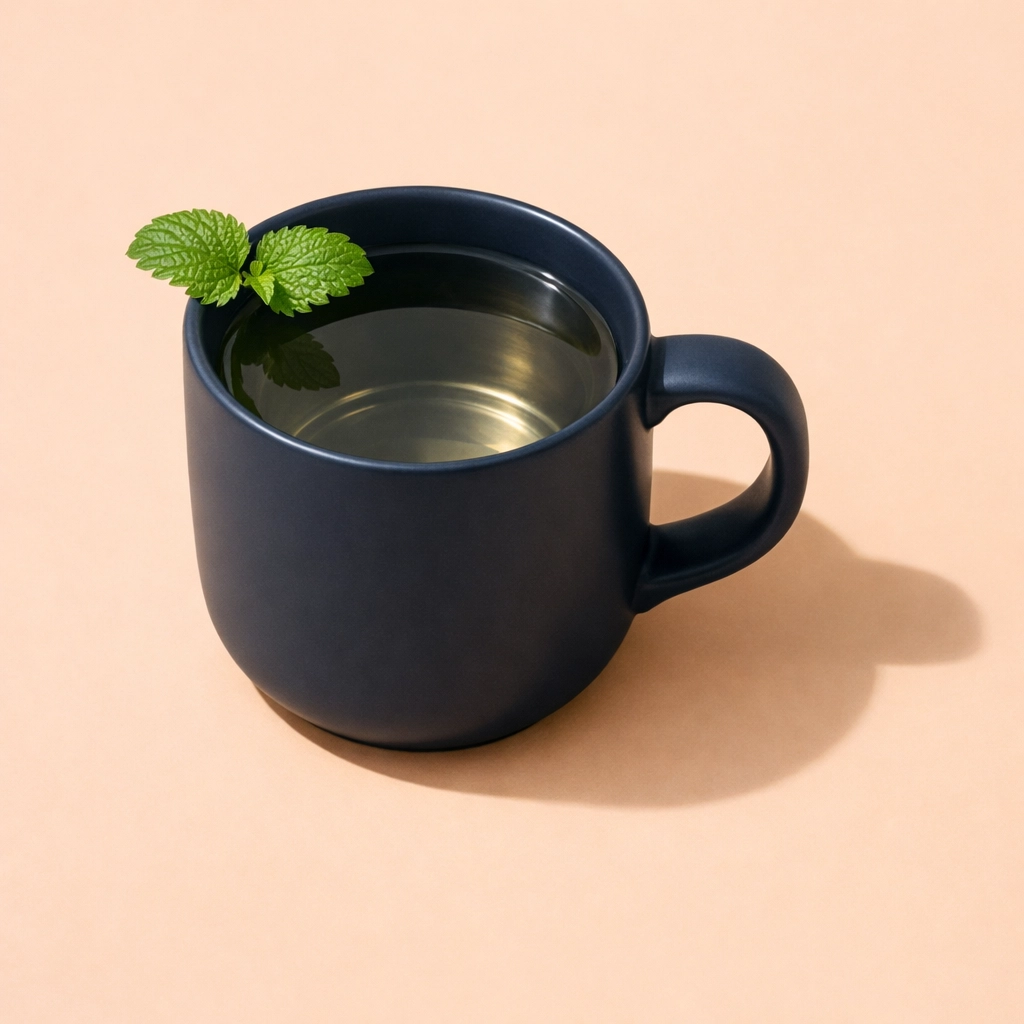
Lemon Balm (Melissa officinalis)
A member of the mint family, lemon balm has been used since the Middle Ages to reduce stress and improve sleep.
- Action: It helps to reduce the symptoms of anxiety, such as excitability and nervousness. When used in combination with other herbs, it can improve the depth of sleep.
- Dosage: An approximate daily dose of 600mg is common for sleep support.
Kava (Piper methysticum)
Kava is a traditional ceremonial drink from the South Pacific known for its relaxing effects.
- The Science: Clinical trials have shown that 120mg of kava daily can significantly improve sleep quality in people suffering from stress-related insomnia. It is often cited as a safe, natural alternative to benzodiazepines for managing anxiety-induced sleep issues.
- Caution: Kava should be used with care; always follow the dosage instructions on the packaging and consult a professional if you have liver concerns.
Supporting Nutrients: The Role of Magnesium
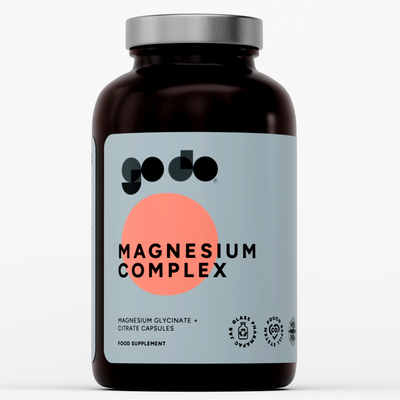
While not an herb, magnesium is a vital mineral often included in the best herbal supplements for sleep. Magnesium helps the body maintain healthy levels of GABA. It also assists in muscle relaxation, making it essential for anyone who suffers from restless legs or physical tension at night.
If you find that your muscles feel tight or you experience cramps that keep you awake, consider a supplement that combines herbs with minerals. You can explore these options in our Vitamins and Minerals collection.
A Buyer’s Guide: What to Look For
When shopping for herbal supplements for sleep in the UK, quality is paramount. Here is what you should check before you buy:
- Standardised Extracts: Look for labels that mention "standardised" amounts of the active ingredient (e.g., 0.8% valerenic acid for valerian). This ensures you are getting a consistent dose of the compound that actually helps you sleep.
- Clean Fillers: Avoid supplements packed with artificial colours or heavy binders. At Fitness Health, we prioritise clean, effective formulations.
- Combination vs. Single Ingredient: For beginners, a combination supplement (like Valerian, Hops, and Passionflower) often provides a more well-rounded effect than a single herb.
- UK Manufacturing: Buying UK-made supplements ensures that the product meets strict safety and quality regulations.
Creating the Perfect Sleep Environment
Supplements are powerful tools, but they work best when supported by good "sleep hygiene." To get the most out of your herbal aids, follow these steps:
- The 3-2-1 Rule: Stop eating 3 hours before bed, stop work 2 hours before bed, and turn off all blue-light screens (phones, tablets, TVs) 1 hour before bed.
- Temperature Control: Keep your bedroom cool (around 18°C). A drop in body temperature is a natural signal for sleep.
- Consistent Timing: Try to take your supplements at the same time every night to help train your body's internal clock.
- Manage Stress: If work or life stress is the main culprit, consider adding adaptogens to your daily routine. Explore our Stress Collection for more options.
Practical Safety Information
While herbal supplements are generally safe for most adults, there are a few things to keep in mind:
- Interactions: If you are taking medication for depression, anxiety, or blood pressure, speak to your GP before starting a new herbal regimen.
- Alcohol: Avoid mixing sleep supplements with alcohol, as both can depress the central nervous system, leading to excessive drowsiness.
- Pregnancy and Breastfeeding: Always consult a healthcare professional before taking herbal aids if you are pregnant or nursing.
- Driving: Do not take sedative herbs if you need to drive or operate machinery shortly after.
Summary Checklist for Better Sleep
- Identify the problem: Is it falling asleep (Melatonin/Valerian) or staying asleep (Passionflower/Magnesium)?
- Start low: Begin with the lowest recommended dose to see how your body reacts.
- Be patient: Some herbs, like valerian, may take a few nights of consistent use to reach full effectiveness in your system.
- Check the source: Ensure your supplements are from a reputable retailer. You can browse our Best Sellers to see what is currently working for our community.
Reclaiming your sleep doesn't have to involve harsh chemicals. By choosing the right herbal supplements for sleep and pairing them with a solid evening routine, you can finally achieve the restful, restorative night you deserve.
For more advice on natural health and wellness, visit our home page or check out our guide on supplements for nerve health if physical discomfort is what's keeping you awake.