Pueraria mirifica has gained significant attention in the wellness community, with countless online testimonials promising dramatic transformations. However, separating marketing hype from scientific evidence requires a closer look at what this traditional Thai herb can actually deliver: especially within a 30-day timeframe.
This guide examines the research behind pueraria mirifica before and after expectations, providing a realistic framework for anyone considering this phytoestrogen-rich supplement.
What Is Pueraria Mirifica?
Pueraria mirifica, also known as white Kwao Krua, is a tuberous plant native to Thailand and Myanmar. Traditional medicine practitioners have used it for centuries, primarily for its rejuvenating properties in postmenopausal women.
The plant contains a unique class of phytoestrogens: plant compounds that mimic oestrogen in the body. What makes pueraria mirifica particularly notable is its exclusive compound called miroestrol, along with deoxymiroestrol and isoflavones like genistein and daidzein.
Miroestrol demonstrates significantly stronger oestrogenic activity compared to other plant-based phytoestrogens, which explains the interest surrounding this herb's potential effects on hormonal balance, skin health, and overall wellbeing.

The Science of Phytoestrogens and Miroestrol
Understanding how pueraria mirifica works requires basic knowledge of how phytoestrogens interact with the body's oestrogen receptors.
Key mechanisms include:
- Oestrogen receptor binding: Phytoestrogens bind to oestrogen receptors (ER-alpha and ER-beta), producing mild oestrogenic effects
- Selective action: Miroestrol shows preferential binding to certain tissues, potentially explaining targeted effects
- Competitive inhibition: In high-oestrogen states, phytoestrogens may actually block stronger oestrogens from receptor sites
The phytoestrogen content in pueraria mirifica varies significantly based on the plant's age, harvest time, and growing conditions. Quality supplements standardise their extracts to ensure consistent potency: a critical factor when evaluating pueraria mirifica before and after results.
What Clinical Research Actually Shows
Here's where expectations need careful management. The shortest clinical study period documented in peer-reviewed research spans two months, not 30 days.
Evidence from controlled studies:
| Timeframe | Documented Effects |
|---|---|
| 2 months | HDL cholesterol increased by 34%; LDL cholesterol reduced by 17% in postmenopausal women |
| 6 months | Reductions in hot flashes, night sweats; slight increases in serum estradiol (50-100mg daily) |
| 24 weeks | Decreased bone alkaline phosphatase, suggesting reduced bone resorption |
This research gap means that specific 30-day outcomes lack direct clinical validation. Anyone researching pueraria mirifica before and after testimonials should recognise that individual reports don't constitute scientific evidence.
Realistic 30-Day Expectations
Given the absence of published 30-day clinical data, expectations should remain modest. The body requires time to respond to phytoestrogenic compounds, and most biological adaptations occur gradually.
What individuals might reasonably notice:
- Week 1-2: Adjustment period; the body begins processing phytoestrogens
- Week 2-3: Some users report subtle changes in skin hydration or texture
- Week 3-4: Possible early indications of effects, though significant changes typically require longer supplementation
The key takeaway: 30 days represents a starting point, not a finish line. Those expecting dramatic pueraria mirifica before and after transformations within this window will likely experience disappointment.

Skin Health Expectations
One of the most searched aspects of pueraria mirifica before and after results relates to skin appearance. The theoretical basis involves oestrogen's well-documented role in maintaining skin collagen, hydration, and elasticity.
What the science suggests:
- Oestrogen receptors exist throughout skin tissue
- Declining oestrogen correlates with reduced skin thickness and moisture
- Phytoestrogens may partially compensate for this decline
Realistic 30-day skin expectations:
- Subtle improvements in skin hydration (if starting from a dehydrated state)
- No significant structural changes to collagen density
- Possible mild improvements in skin texture for some individuals
Major visible changes typically require consistent supplementation over several months, combined with proper skincare, hydration, and sun protection.
Hormonal Balance and Menopausal Symptoms
Women experiencing perimenopause or postmenopause represent the most-studied population for pueraria mirifica supplementation. The six-month clinical pilot study using 50-100mg daily showed measurable improvements in vasomotor symptoms.
Symptoms that may respond to supplementation:
- Hot flashes
- Night sweats
- Vaginal dryness
- Mood fluctuations
30-day reality check:
Within one month, some women report early symptom relief, particularly with hot flash frequency. However, the clinical data supporting these effects comes from longer study periods. Individual responses vary considerably based on:
- Baseline hormone levels
- Symptom severity
- Overall health status
- Concurrent medications or supplements
Anyone considering pueraria mirifica for hormonal support should consult a healthcare provider, especially those with hormone-sensitive conditions or taking hormone replacement therapy.
For women over 40 exploring supplement options, this comprehensive guide provides additional context on supporting hormonal health.

Body Composition Considerations
Some pueraria mirifica before and after discussions focus on body composition changes, particularly breast tissue. This stems from oestrogen's known role in fat distribution and breast development.
Scientific perspective:
- Phytoestrogens are significantly weaker than endogenous oestrogen
- Clinical studies on pueraria mirifica haven't specifically measured body composition changes
- Any effects would likely be subtle and require extended supplementation
Individuals seeking body composition changes should prioritise proven methods: resistance training, adequate protein intake, and consistent caloric management. Supplements may play a supporting role but shouldn't be expected to produce dramatic physical changes independently.
Safety Profile and Considerations
Pueraria mirifica demonstrates a generally favourable safety profile in clinical research, with few documented negative effects at standard doses.
Important safety notes:
- Generally well-tolerated: Most studies report minimal adverse effects
- Animal study concerns: Some research documented reproductive and endocrine effects in animals at high doses
- Rare human effects: Isolated cases of anaemia and liver function changes have been documented
- Contraindications: Not recommended for those with hormone-sensitive cancers, endometriosis, or uterine fibroids
Who should avoid pueraria mirifica:
- Pregnant or breastfeeding women
- Individuals with oestrogen-dependent conditions
- Those taking hormone medications without medical supervision
- Children and adolescents
How to Use Pueraria Mirifica Effectively
For those choosing to supplement, proper usage maximises potential benefits while minimising risks.
Practical guidelines:
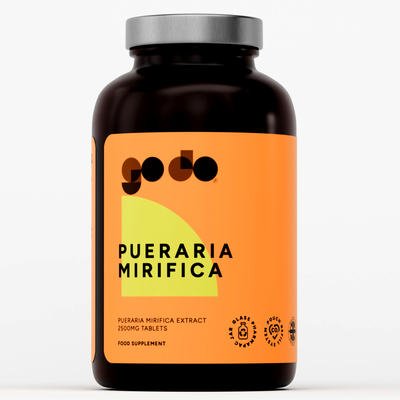
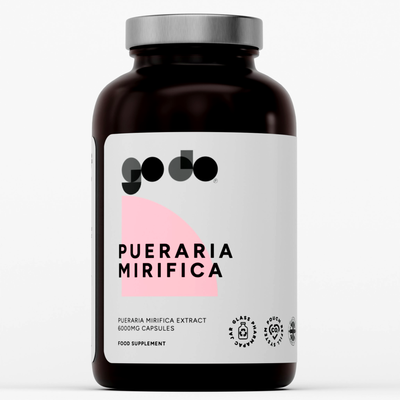
- Start with appropriate dosing: Clinical studies used 50-100mg of standardised extract; higher-strength formulations like Fitness Health's 6000mg vegan capsules provide concentrated support
- Maintain consistency: Take at the same time daily for reliable absorption
- Track responses: Keep a simple log of any changes noticed
- Set realistic timeframes: Commit to at least 2-3 months before evaluating effectiveness
- Consider cycling: Some practitioners recommend periodic breaks from phytoestrogen supplements
Complementary practices:
- Balanced nutrition supporting hormone health
- Regular physical activity
- Adequate sleep and stress management
- Proper hydration
Key Takeaways
Pueraria mirifica offers genuine scientific interest as a phytoestrogen source, particularly for postmenopausal women seeking natural support. However, pueraria mirifica before and after expectations require grounding in clinical reality.
Summary points:
- 30 days is insufficient for dramatic results based on available research
- Clinical evidence supports effects at 2-6 month timeframes
- Individual responses vary significantly
- Skin, hormonal, and cardiovascular effects show the most research support
- Safety profile is generally favourable but contraindications exist
- Quality matters: standardised extracts ensure consistent phytoestrogen content
Anyone considering pueraria mirifica should approach it as one component of a comprehensive wellness strategy, not a standalone solution. Consulting with a healthcare provider before starting any new supplement remains essential, particularly for those with existing health conditions or taking medications.
The most honest answer to "what will I see in 30 days?" is this: possibly subtle early changes, but meaningful results require patience, consistency, and realistic expectations aligned with what science actually supports.