I used to think that "period brain" was just a funny excuse I used when I couldn't find my phone (while I was talking on it).
Then I realized that the brain fog, the sudden mood drops, and the soul-crushing cramps were actually part of a complex hormonal dance that affects our cognitive function and physical comfort every single month.
If you’ve ever felt like your brain was replaced by a wet sponge during your luteal phase, you’re not alone, and understanding how the menstrual cycle affects your body is the first step to reclaiming your week.
Table of Contents
- The Fog is Real: My Struggle with Period Brain
- The Aha Moment: When the Pattern Finally Clicked
- The Power Duo That Changed My Week
- How to Build Your Own Cycle Support Routine
- Safety First: Things to Keep in Mind
- Recommended for You
The Fog is Real: My Struggle with Period Brain
Last Tuesday, I put the kettle in the fridge. Not beside it. In it. Right there next to the almond milk. That was the moment I stopped laughing off "period brain" as one of my quirky little traits and admitted that something very real was happening every month.
It wasn’t just forgetfulness. It was a pattern. Right before my period, my focus would tank, my mood would go sideways, tiny jobs would feel weirdly impossible, and cramps would roll in like they had personal beef with me. For a long time, I just powered through with the usual routine: tea, painkillers, grit, repeat.
But after one too many weeks of feeling like my brain had turned to soup, I started digging into why this kept happening. Once I understood that hormonal shifts can affect mood, pain, and cognitive function across the cycle, it all made a lot more sense. Even broad overviews like this guide to the menstrual cycle made me feel less dramatic and more informed. I wasn’t lazy or flaky. I was dealing with a genuine monthly shift in how my body and brain were functioning, and that changed everything.

The Aha Moment: When the Pattern Finally Clicked
The real turning point was the cramps, and not the mild, annoying kind. I mean the kind where you cancel plans, curl up with a hot water bottle, and start counting down the minutes until you can take the next painkiller. I used to live on ibuprofen for the first day or two of my period. It worked fast, sure, but I hated feeling like my entire plan was to wait for the pain to hit and then throw tablets at it.
So I started reading more about what was actually going on, and that’s when I learned about prostaglandins. Tiny chemicals, huge drama. They help trigger the uterine contractions that cause period cramps, and higher levels are linked with more pain, which suddenly made my whole monthly meltdown feel a lot less random. That’s also why anti-inflammatory support matters so much, and why nutrients like omega-3 keep coming up in conversations around menstrual comfort, including in summaries from places like the Cleveland Clinic.
That was my first real aha moment. I didn’t need another short-term rescue trick; I needed a longer-term plan. At the same time, I noticed the mental side of my cycle was just as disruptive as the physical side. I wasn’t only crampy, I was foggy, flat, and weirdly snappy, like someone had turned the brightness down in my head. That’s what sent me looking for something to support focus and mood too.
The Power Duo That Changed My Week
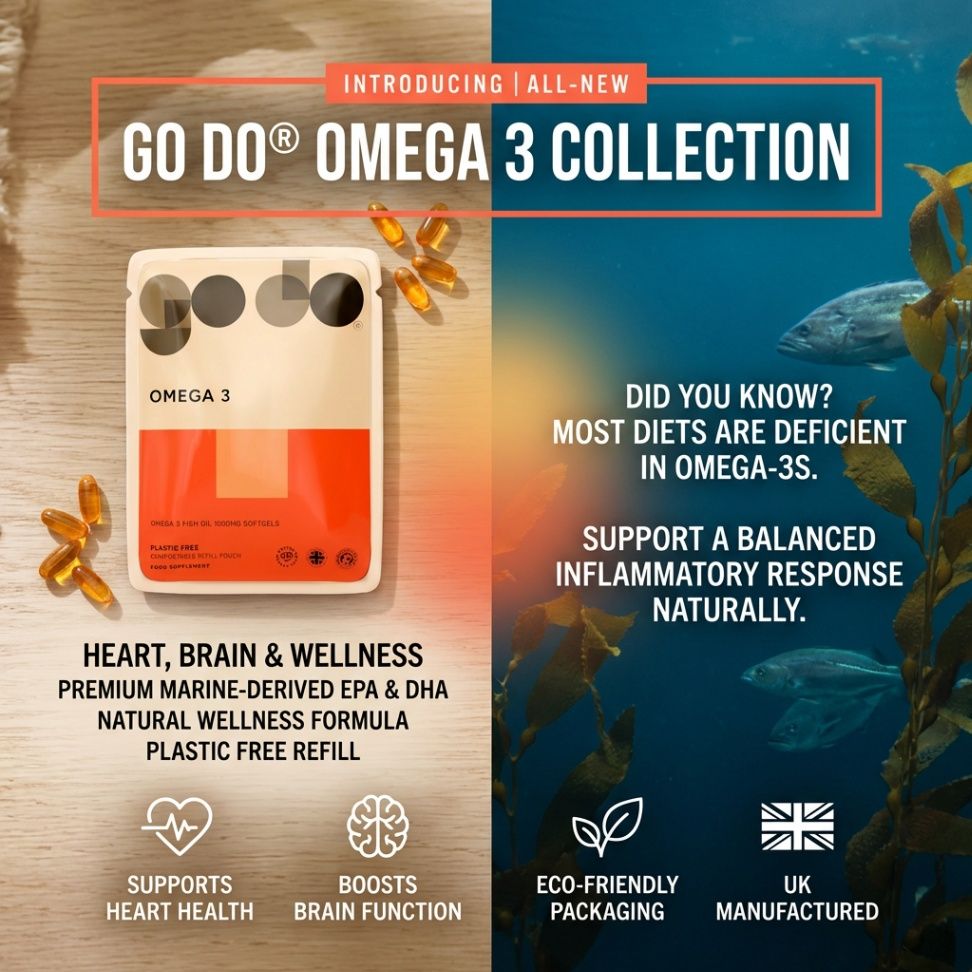
I found Omega-3 first, mostly because I was fed up. I wanted something that worked upstream, not just something that showed up after the damage was done. Omega-3 isn’t a dramatic overnight fix, and that’s kind of the point. It supports a healthier inflammatory response, which matters when prostaglandins are part of the monthly chaos, so I started taking it daily with breakfast and tried not to expect fireworks.
Then, after a couple of cycles, I noticed something strange. Day one didn’t feel like a full-body ambush anymore. The cramps were still there, but they had lost their villain energy, and I wasn’t curled around a hot water bottle bargaining with the universe. I could function, which sounds basic until you’ve spent months dreading your own calendar. Our Omega-3 Fish Oil became a permanent part of my routine after that.
Lion’s Mane came in next. At first, I’ll be honest, I thought it sounded like one of those trendy supplements people take while journaling at sunrise, but I kept seeing it mentioned for focus, clarity, and stress support, so I gave it a shot. What sold me was learning that Lion’s Mane has been studied for its effects on the nervous system and cognitive function, with interest around compounds that may support nerve growth factor activity. It’s not hype just because it sounds cool, and resources like Memorial Sloan Kettering’s overview helped me separate the wellness fluff from the actual science.
The change wasn’t loud, which weirdly made me trust it more. I just started having better mornings during the week when I’d usually feel mentally underwater, with less staring at my screen, less rereading the same sentence five times, and way less emotional static. I felt more like myself, not superhuman, just steadier, and that was enough to keep going. Using Lion’s Mane for that pre-period fog felt like opening a window in a stuffy room, while using Omega-3 for menstrual cramps felt like finally dealing with the fire instead of just the smoke.
Together, they made my week feel more manageable. Not perfect, just normal, and if you’ve ever had a cycle that hijacks both your body and your brain, normal feels amazing. If focus is the piece you struggle with most, our Nootropics collection is a good place to browse without overcomplicating things.

How to Build Your Own Cycle Support Routine
Starting a new supplement routine can feel overwhelming, but it really doesn’t have to be. I like to keep things simple and minimalist because the more complicated a routine gets, the less likely I am to stick with it. I take my Omega-3 softgels every morning with breakfast, and since Omega-3 is a fat, it absorbs better when you have it with other healthy fats like avocado or eggs.
I take my Lion's Mane in the morning too, usually with my first cup of tea. The key is consistency, because you probably won’t notice much if you only take these on the days you already feel awful. I think of it as "pre-hab" for my period. You’re building up support in advance so that when your hormones take a dive, you’ve got a bit more of a safety net.
If your brain fog is especially stubborn, I’d also look at something like Ginkgo Biloba. The goal isn’t to build some huge, complicated stack that takes over your kitchen counter. It’s just to find a mix that helps you feel more like yourself, more often.
Safety First: Things to Keep in Mind
Even though these are natural, it’s still important to be smart. Supplements are powerful tools, but they aren’t for everyone in every situation, and "natural" doesn’t automatically mean "fine for all humans at all times." Omega-3 can have a mild blood-thinning effect, so if you’re already on blood-thinning medication, it’s worth speaking to your doctor before adding it in. You should also stop taking Omega-3 at least two weeks before any scheduled surgery and make sure you’re choosing a high-quality source to reduce concerns around impurities like heavy metals in fish oil.
Lion’s Mane is generally straightforward for most people, but if you have a mushroom allergy, that’s an easy no. It’s also sensible to check with a healthcare professional if you’re pregnant or breastfeeding before starting anything new. Your health is personal, so listen to your body. If something doesn’t feel right, stop and re-evaluate.
Fitness Health
At Fitness Health, we believe that feeling your best shouldn't cost a fortune.
We’ve cut out the plastic bottles and the fancy marketing markups to bring you premium supplements in eco-friendly packaging.
Whether you're looking for Women's Health solutions or a boost for your Focus, we've got you covered.
Our goal is to make high-quality wellness accessible to everyone, one pouch at a time.