If training feels different during perimenopause, you are not imagining it. Sleep can become patchy, energy may swing from one week to the next, and a session that once felt easy may suddenly feel much harder. The good news is that movement remains one of the most useful tools for supporting your health. The NHS guide to menopause and perimenopause explains that changing hormone levels can affect the body in many ways, but menopause does not mean giving up on strength, performance or progress.
I remember speaking with a woman who thought she had “lost her fitness” because her usual workouts felt unpredictable. Once she stopped judging every session and began adjusting training around sleep, heat and recovery, she started enjoying exercise again. That is the goal here: not a perfect programme, but a flexible one that works with your body.
Table of contents
- What changes during perimenopause and menopause?
- Why strength training becomes even more important
- How to adjust training load, volume and recovery
- Practical exercise for perimenopause
- Protein, sleep and supportive nutrition
- Supplements: where they may fit
- Safety warnings and when to seek advice
- Recommended reading
What changes during perimenopause and menopause?
Perimenopause is the transition before menopause. Oestrogen and progesterone production becomes less predictable, and hormone levels may rise and fall before eventually settling at a lower level after menopause.
This can influence training in several ways:
- Muscle and strength: Lower oestrogen may contribute to changes in muscle maintenance, recovery and body composition. Ageing also plays a role, so the picture is not caused by hormones alone.
- Bone health: Bone loss can accelerate around menopause. This makes progressive resistance and weight-bearing exercise especially valuable.
- Sleep: Night sweats, anxiety, changing routines and insomnia can all reduce sleep quality. Poor sleep can make training feel harder and recovery slower.
- Hot flushes: Heat and sweating may make indoor or high-intensity sessions less comfortable.
- Joints and connective tissue: Some people notice more stiffness, aches or changes in how their joints tolerate impact.
- Energy and mood: Fatigue and brain fog can make motivation less consistent.
Symptoms vary widely. Some women experience very few changes, while others find that their menstrual cycle, sleep and energy fluctuate considerably. That is why hormone-aware programming should be flexible rather than based on a rigid cycle calendar.
Why strength training becomes even more important
Strength training for menopause is not about trying to fight your body. It is about giving your muscles, bones and nervous system a clear reason to stay strong.
Resistance training can support:
- Muscle mass and strength
- Bone mineral density
- Balance, coordination and physical function
- Healthy body composition
- Confidence with everyday movement
- Cardiometabolic health
- Mood and quality of life
The Royal Osteoporosis Society recommends combining strength and impact exercise to support bone health. The NICE menopause guideline also highlights the importance of individualised care, lifestyle support and informed conversations about treatment options.
A useful starting point is two or three resistance sessions each week. You do not need to train like a competitive athlete. Squats, step-ups, hip hinges, rows, presses, carries and controlled bodyweight exercises can all be effective. Machines, resistance bands and free weights are valid options.
Progressive overload still matters. Over time, you might add a small amount of weight, complete an extra repetition or improve your control. The change does not need to be dramatic. Consistent, manageable progression is what builds results.

How to adjust training load, volume and recovery
Training through menopause does not require lowering every workout. It does require paying attention to how prepared you are on a particular day.
On a well-rested day, you may be able to train normally and work towards challenging sets. After several poor nights of sleep, a hot flush-heavy night or a particularly tiring week, reduce the demand without abandoning the habit.
You can adjust a session by:
- Using a slightly lighter load
- Completing fewer sets
- Stopping a set with a few repetitions still in reserve
- Taking longer rest periods
- Choosing machines or supported exercises
- Replacing jumping with brisk walking or step-ups
- Focusing on technique and range of motion
Think of this as keeping the same destination while choosing a different route. Your main movement patterns can stay consistent even when the intensity changes.
It can also help to avoid stacking demanding sessions together. For example, place a rest day, gentle walk or mobility session between two challenging strength workouts. If joint aches are present, spend more time warming up and begin with controlled movements before adding load.
A simple weekly rhythm might include two full-body strength sessions, regular brisk walking, and a short balance or mobility practice. If you enjoy a third strength session, make it lighter or focus on exercises that need less recovery.
Practical exercise for perimenopause
A balanced approach to exercise for perimenopause includes resistance, weight-bearing movement, aerobic fitness and balance work.
For strength, aim to train all major muscle groups across the week. A session might include a squat or sit-to-stand, a hip hinge, a row, a chest press, a step-up and a core exercise. Start with one or two controlled sets and gradually build towards two or three sets of around eight to twelve repetitions, depending on your experience and health status.
For bone health, weight-bearing activity can include brisk walking, stair climbing, dancing or jogging. Impact exercise such as hopping or small jumps may be appropriate for some people, but it is not suitable for everyone. It should be introduced gradually and modified for joint symptoms, pelvic floor concerns, low fitness or bone fragility.
Balance work is easy to overlook. Single-leg stands, tandem walking and controlled step-ups can support coordination and confidence. They can be added to a warm-up or done for a few minutes at home.
The best programme is one you can repeat. A moderate session completed consistently is more useful than an ambitious plan that leaves you exhausted for several days.
Protein, sleep and supportive nutrition
Training is only one part of recovery. Your body also needs enough food, protein and rest to adapt.
Protein provides the amino acids needed for muscle repair and maintenance. Including a protein source at each main meal can be a practical approach. Options include eggs, Greek yoghurt, fish, lean meat, tofu, tempeh, beans, lentils and fortified plant-based foods. People who train regularly may benefit from a higher protein intake than the basic adult minimum, but individual needs vary with body size, activity, appetite and medical history.
Sleep deserves equal attention. Most adults function best with around seven to nine hours, although menopause symptoms can make that difficult. A cool bedroom, breathable sleepwear, regular wake times and a calming evening routine may help. If night sweats, insomnia or mood changes are persistent, speak with a GP or menopause specialist rather than assuming you simply need more discipline.
Try not to use training as punishment for a poor night or a change in body composition. Exercise supports health, but excessive restriction and excessive training can make fatigue worse.
Supplements: where they may fit
Supplements cannot replace progressive training, a nourishing diet or medical care. They may, however, help fill a confirmed or likely nutritional gap.
Vitamin D is important for calcium absorption and normal bone health. The NIH Office of Dietary Supplements explains the role of vitamin D in maintaining bones and muscles. Fitness Health’s Vitamin D3 1000 IU tablets provide a moderate daily option, but your appropriate intake depends on factors such as diet, sunlight exposure, blood levels and medical advice.
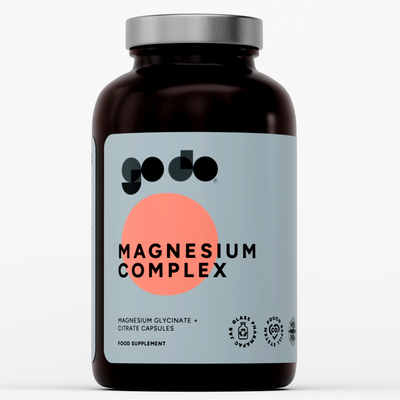
Magnesium contributes to normal muscle and nerve function. Fitness Health’s Magnesium Complex combines magnesium glycinate and citrate. It may be useful as part of a broader nutrition routine, especially when dietary intake is limited, but it is not a treatment for insomnia, anxiety or menopausal symptoms.
You can also explore Fitness Health’s women’s health collection for general nutritional support. Be cautious with herbal menopause products, particularly if you take medication, have a health condition or are considering HRT. “Natural” does not automatically mean risk-free.
Safety warnings and when to seek advice
This article is educational and is not medical advice. Speak with a GP, physiotherapist or menopause specialist before making major changes if you:
- Have osteoporosis, osteopenia or a history of fragility fractures
- Have significant joint pain or a recent injury
- Experience chest pain, fainting, unusual breathlessness or palpitations during exercise
- Have uncontrolled high blood pressure or heart disease
- Have pelvic floor symptoms that worsen with impact exercise
- Have unexplained weight loss, severe fatigue or persistent bleeding
- Are taking medication that may interact with supplements
- Have kidney disease, especially before taking magnesium
- Are considering starting, stopping or changing HRT
If you have vertebral fractures or a high fracture risk, avoid adding heavy spinal flexion or high-impact exercise without individual guidance. A qualified professional can help you choose safe loading patterns and progress at the right pace.
HRT decisions are personal and should be discussed with a clinician who understands your medical history and symptoms. Exercise can support your health whether or not you use HRT, but it should not be presented as a replacement for appropriate medical treatment.
A supportive approach to training through menopause
The most useful mindset is simple: stay consistent, stay curious and allow your programme to change when your needs change.
Strength training for menopause can protect what matters: muscle, bone, balance, confidence and independence. You do not need to earn rest, and you do not need to prove anything by pushing through every symptom. Train hard when you feel ready, train gently when you need to, and keep returning to the habits that make you feel capable.
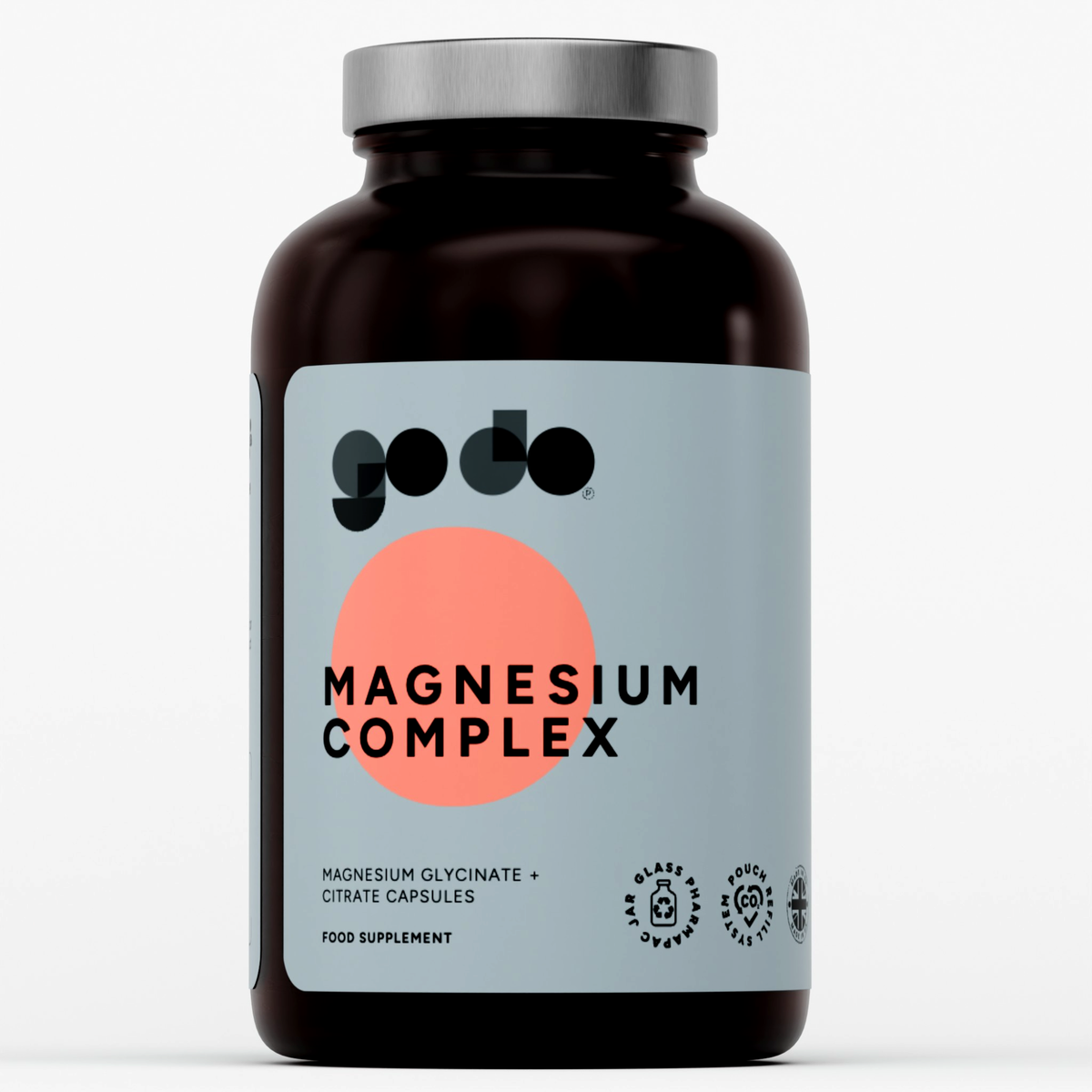
Ready to support your training routine? Explore the Fitness Health Strength & Fitness collection, browse our Vitamins & Minerals range, or take a look at the Magnesium Complex. Fitness Health offers UK-made, vegan-friendly options with straightforward formulations and paper-based refill packaging on selected products.
Recommended
For more practical guidance, visit:
- Fitness Health Women’s Health blog
- Fitness Health Strength & Fitness blog
- Fitness Health Vitamins & Minerals blog
- How to Deload Properly Without Losing Progress
- Body Recomposition: Can You Really Lose Fat and Build Muscle at the Same Time?
Meta description: Training Through Menopause: Strength, Recovery and Hormone-Aware Programming explains how to build strength, support bone health, manage recovery and adapt exercise during perimenopause and menopause.