Menopause is not a single event, but a transition that spans several years, divided into three distinct stages: perimenopause, menopause, and postmenopause. Each stage brings unique physiological changes driven by shifting hormone levels: specifically the decline of estrogen and progesterone.
Navigating these changes requires a proactive approach to nutrition. While a balanced diet is the foundation of health, the increased nutritional demands of the menopausal transition often necessitate high-quality supplementation. At Fitness Health, we focus on providing evidence-based, high-potency formulations that support your body without the premium price tag.
In this guide, we will break down the essential vitamins, minerals, and herbal supports needed to manage symptoms and protect long-term health through every stage of menopause.
Understanding the Three Stages of the Transition
To choose the right supplements, you first need to identify which stage of the transition you are currently experiencing.
- Perimenopause: This is the lead-up to menopause. It can begin in your 40s (or earlier) and lasts until you have gone 12 consecutive months without a period. Symptoms often include irregular cycles, heavy bleeding, and the first signs of hot flashes.
- Menopause: This point is officially reached when you have been without a menstrual period for 12 months.
- Postmenopause: This refers to the years following menopause. During this stage, the risk for osteoporosis and cardiovascular disease increases significantly due to low estrogen levels.
The Foundation: Bone and Muscle Support
As estrogen levels drop, bone density can decrease rapidly. Protecting your skeletal structure is perhaps the most critical long-term goal during menopause.
Calcium and Vitamin D3
Calcium is the primary building block of bone, but it cannot be absorbed effectively without Vitamin D3. Women over the age of 51 are generally advised to aim for 1,200 mg of calcium daily. Supplementing with Vitamin D3 not only aids calcium absorption but also supports immune function and mood regulation.
Magnesium
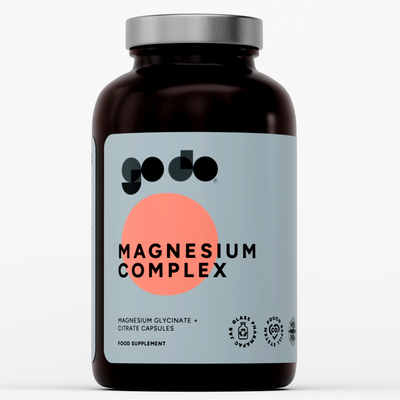
Magnesium is often the "missing link" in bone health. It helps convert Vitamin D into its active form and plays a direct role in bone matrix calcification. Furthermore, magnesium is highly effective for muscle relaxation and reducing the frequency of leg cramps at night. You can find targeted support for these needs in our Vitamins and Minerals collection.
Creatine
While traditionally associated with athletes, creatine is becoming a staple for menopausal women. It helps maintain lean muscle mass and supports cognitive function, both of which can decline as hormone levels shift.

Managing Vasomotor Symptoms: Hot Flashes and Night Sweats
Hot flashes and night sweats (vasomotor symptoms) are the most common complaints during menopause. These occur because the "thermostat" in the brain becomes more sensitive to slight changes in body temperature.
Phytoestrogens and Red Clover
Phytoestrogens are plant-based compounds that can weakly mimic the effects of estrogen in the body. Red Clover is a potent source of isoflavones, a type of phytoestrogen that has been shown to reduce the frequency and severity of hot flashes.

Black Cohosh
Black cohosh is one of the most widely studied herbal remedies for menopause. It is believed to work by supporting the body’s signaling pathways to help regulate temperature and reduce the sudden "heat waves" that disrupt daily life.
Practical Lifestyle Tips for Temperature Regulation
- Layering: Wear natural, breathable fibers like cotton or silk.
- Hydration: Drink cold water throughout the day to keep your core temperature stable.
- Cooling Products: Invest in cooling pillows or moisture-wicking bedding to manage night sweats effectively.
Combatting Fatigue: The Role of Iron and B12
"Brain fog" and exhaustion are frequent hurdles during the menopausal transition. These symptoms are often linked to nutritional deficiencies that become more pronounced during this time.
Iron for Perimenopause
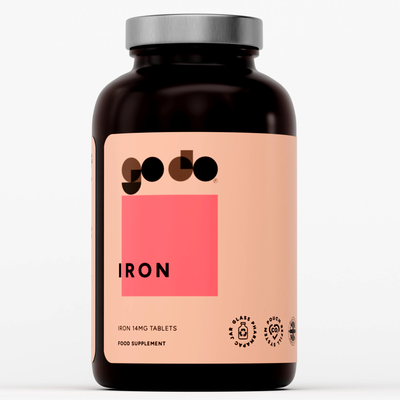
During perimenopause, many women experience heavier-than-normal periods (menorrhagia). This blood loss can lead to depleted iron stores, resulting in fatigue, shortness of breath, and "restless legs." A high-quality natural iron supplement can help restore energy levels without causing the digestive upset often associated with synthetic options. Explore our options for Energy and Vitality.
Vitamin B12
Vitamin B12 is essential for nerve health and the production of red blood cells. As we age, our ability to absorb B12 from food diminishes. Supplementing with B12 can help clear cognitive fog and support the nervous system, which is under extra stress during hormonal shifts.
Heart Health and Mood Regulation
The risk of cardiovascular issues increases post-menopause. Additionally, the hormonal "rollercoaster" can lead to increased anxiety or irritability.
Omega-3 Fatty Acids
Omega-3s are essential for heart health, as they help maintain healthy cholesterol levels and reduce systemic inflammation. From a symptomatic standpoint, Omega-3s are also known to support mood stability and reduce joint stiffness.
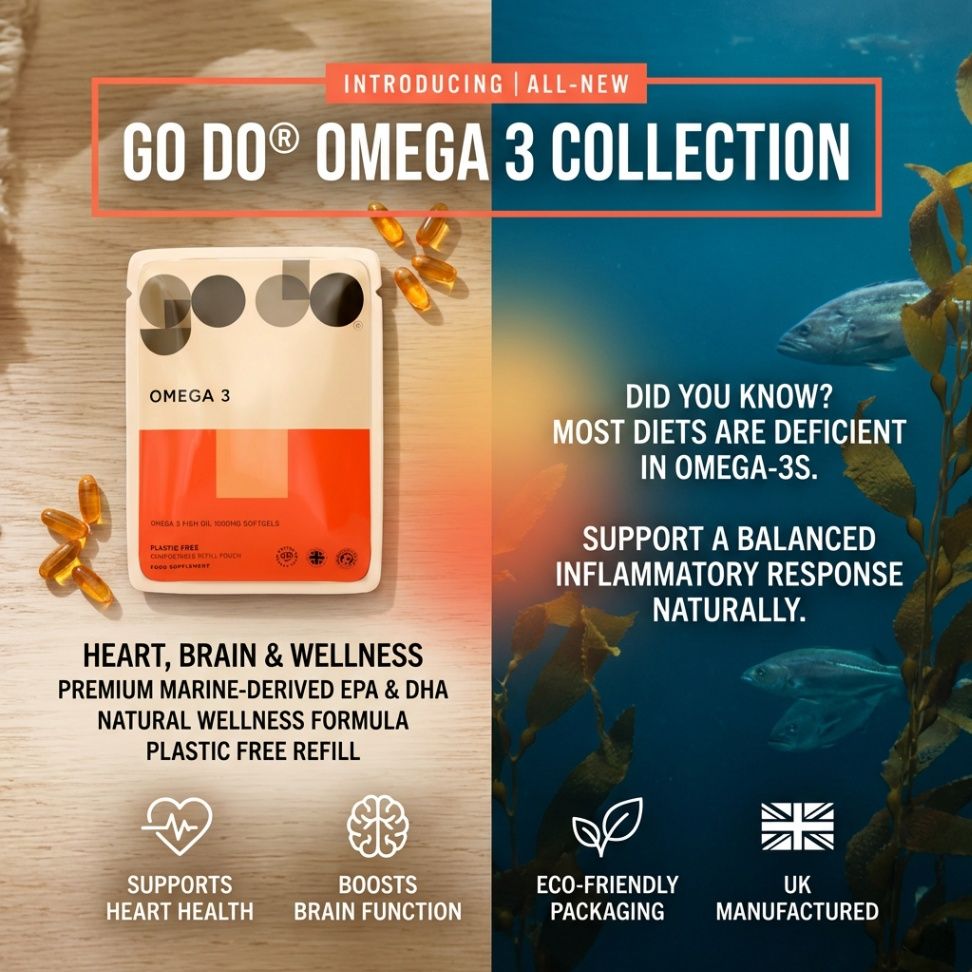
If you are looking for high-quality essential fats, our Antioxidants and Essential Fats collection provides the purity and potency required for effective support.
Sleep Support and the Nervous System
Sleep disturbances are a hallmark of menopause, often caused by a combination of night sweats and rising anxiety levels.
Magnesium Glycinate
While all magnesium is beneficial, the "glycinate" form is particularly noted for its calming effect on the brain. Taking magnesium glycinate shortly before bed can improve sleep latency (the time it takes to fall asleep) and sleep quality.
Melatonin and Herbal Teas
For those struggling with a disrupted circadian rhythm, low-dose melatonin or calming herbs like Valerian root can help signal to the body that it is time to rest. Check out our Sleep Collection for targeted formulas designed to restore your natural sleep cycle.
Supporting Gut Health and Weight Management
Many women notice a shift in weight distribution during menopause, specifically an increase in abdominal fat. This is often linked to insulin sensitivity changes and a shifting gut microbiome.
Probiotics
A healthy gut microbiome is essential for processing hormones. Certain probiotic strains, such as Bacillus Coagulans, help maintain a healthy digestive tract and may assist in managing the bloating that often accompanies hormonal changes.
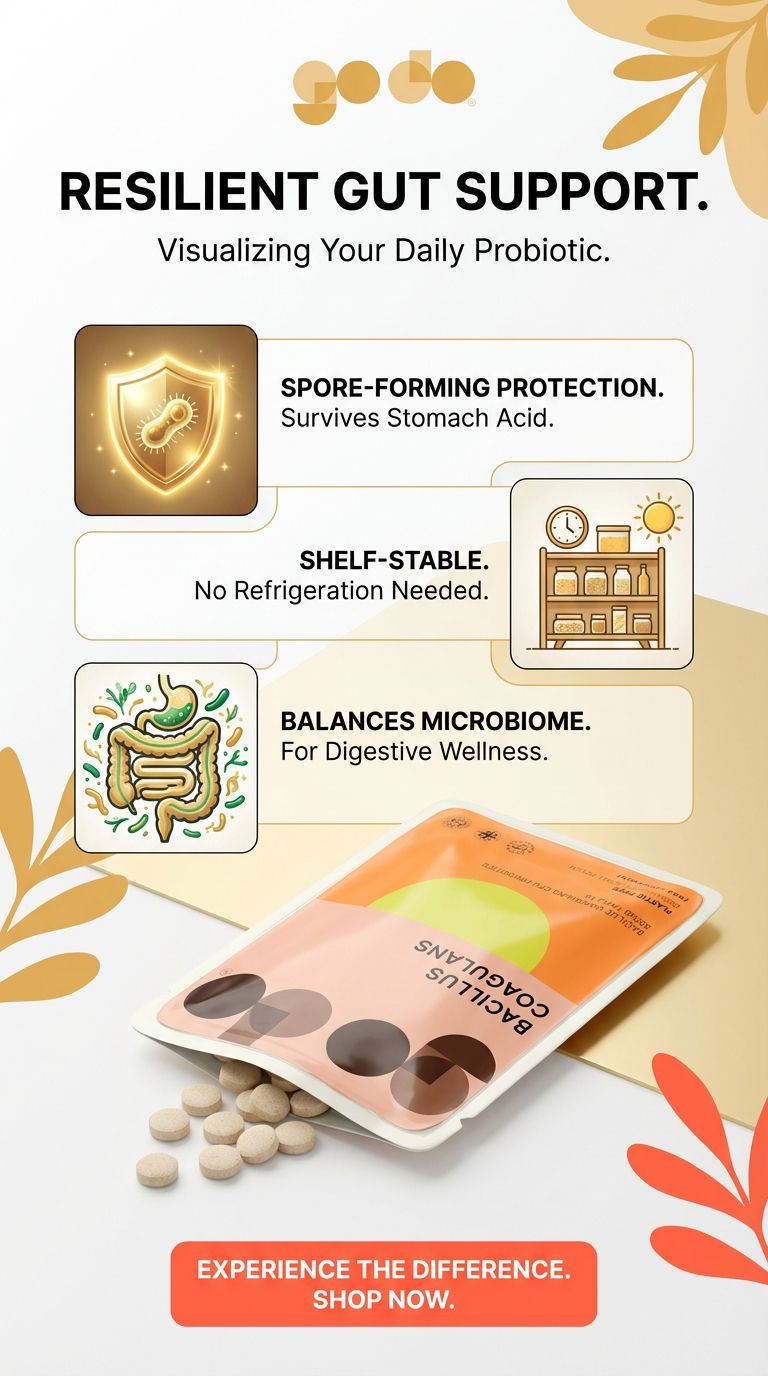
Maintaining gut health is also a key factor in weight management. For more on this, view our Gut Health collection.
Skin, Hair, and Joint Health
Declining estrogen leads to a decrease in collagen production, which can result in thinner skin, brittle hair, and aching joints.
- Collagen: Supplementing with collagen peptides provides the amino acids necessary to support skin elasticity and joint cartilage.
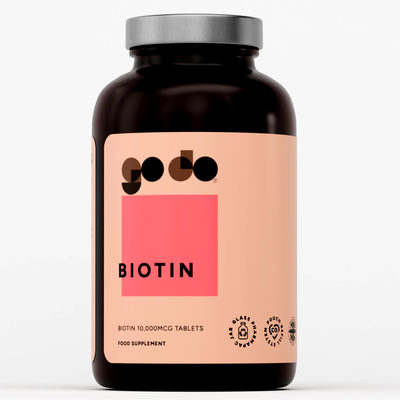
- Biotin: Often referred to as Vitamin B7, Biotin is essential for keratin production, helping to combat the hair thinning that many women experience during menopause.
The Fitness Health Difference: Quality Meets Affordability
At Fitness Health, we believe that essential wellness shouldn't come with a "luxury" price tag. We formulate our menopause supplements with several core principles:
- High Bioavailability: We choose forms of vitamins and minerals that your body can actually absorb and use.
- Clean Ingredients: Our products are free from unnecessary fillers and allergens.
- Low Cost, High Standard: By managing our own formulations and supply chain, we pass the savings directly to you, ensuring you can maintain your supplement routine long-term.
You can browse our full range of Women's Health products here.

Summary Checklist for Menopause Support
To make these recommendations actionable, use the following checklist based on your current needs:
- For Bone Health: 1,200mg Calcium + Vitamin D3 + Magnesium.
- For Hot Flashes: Phytoestrogens (Red Clover) and Black Cohosh.
- For Energy/Fatigue: Iron (if still menstruating) and Vitamin B12.
- For Mood/Heart: Omega-3 Fish Oil.
- For Sleep: Magnesium Glycinate or Melatonin.
- For Skin/Hair: Collagen and Biotin.
Important Safety Note: Always consult with your healthcare provider before starting a new supplement regimen, especially if you are taking prescription medications or have underlying health conditions like thyroid imbalances.
By understanding the requirements of your body at each stage, you can navigate the menopausal transition with confidence, energy, and strength. For more detailed guides on specific health concerns, explore our comprehensive supplement blog.