For decades, fitness marketing for women over 40 focused almost exclusively on "weight loss" and "low-impact" activity. However, as we move through 2026, a fundamental shift has occurred. The conversation has moved away from aesthetics and toward "Healthspan": the period of life spent in good health. At the center of this movement is a science-backed revolution in how we approach menopause.
Menopause is no longer viewed as a period to "slow down." Instead, modern sports science identifies it as a critical window where specialized strength training and targeted nutrition become the most powerful tools a woman has for long-term independence and vitality.
The Physiological Imperative: Why the Rules Change
The transition through perimenopause and into menopause involves a significant decline in estrogen. This isn't just a reproductive change; estrogen plays a vital role in maintaining bone density, muscle protein synthesis, and metabolic rate.
Research shows that during the menopausal transition, women can lose up to 10% of their bone mineral density. Furthermore, muscle mass declines at an average rate of 0.6% per year after menopause. This combination increases the risk of sarcopenia (muscle wasting) and osteoporosis.
In 2026, "Meno-fitness" has emerged to combat these biological realities. By shifting the focus to heavy resistance training and hormone-aware recovery, women are effectively "biohacking" their transition to maintain a high-functioning body well into their 80s and 90s.
Resistance Training: The New Gold Standard
The most significant trend in 2026 is the move toward heavy lifting for women in midlife. High-intensity resistance training (HIST) is now recognized as the primary defense against bone loss.
When you lift heavy weights, you create mechanical tension that signals "osteoblasts" (cells that build bone) to increase bone mineral density. Light weights and high repetitions, while useful for endurance, do not provide the necessary stimulus to protect the skeleton in the same way.
The 2026 Strength Protocol for Menopause:
- Frequency: 3 sessions per week, allowing 48 hours for recovery between sessions.
- Intensity: Focus on compound movements (squats, deadlifts, overhead presses) at 70-85% of your one-rep max.
- Volume: 3–5 sets of 5–8 repetitions.
- Power Training: Incorporating explosive movements (like box jumps or kettlebell swings) to maintain fast-twitch muscle fibers, which are often the first to decline during menopause.
The Role of Targeted Supplementation
Training hard is only half the battle. Because the body's ability to process nutrients and manage stress changes during menopause, supplementation has become a non-negotiable part of the fitness routine. In 2026, we focus on three specific pillars: Bone Integrity, Hormonal Balance, and Inflammation Management.
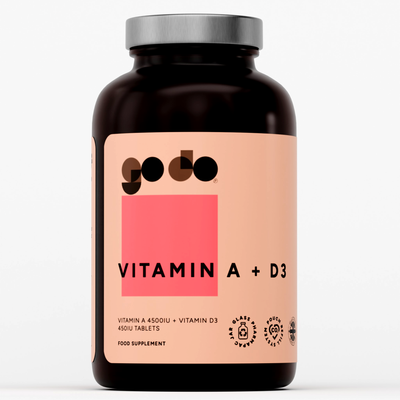
1. Calcium and Vitamin D: The Bone Builders
Without estrogen to protect bone density, the body requires a consistent supply of raw materials. Calcium is the structural component of bone, but it cannot be absorbed effectively without Vitamin D.
- Dosage Goal: Aim for 1,200mg of Calcium and 2,000–4,000 IU of Vitamin D3 daily, depending on blood levels.
- Why it matters: This duo reduces the risk of stress fractures during high-intensity training.
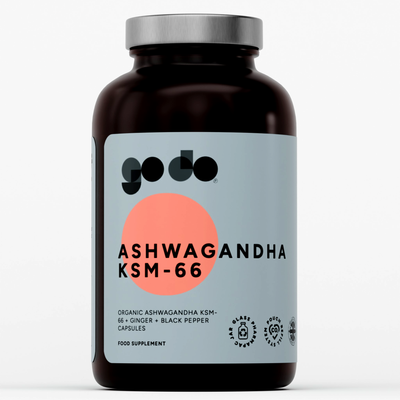
2. Ashwagandha: Managing Cortisol and Sleep
Menopause often brings a spike in cortisol (the stress hormone) and disrupted sleep patterns. High cortisol is "catabolic," meaning it breaks down muscle tissue: the exact opposite of what we want.
- The Science: Ashwagandha is an adaptogen that helps the body manage stress. Studies show it can lower cortisol levels and improve sleep quality, which is when muscle repair actually happens.
- Usage: Consistent daily use is key to seeing a reduction in "brain fog" and improved exercise recovery.
3. Antioxidants and Immunity
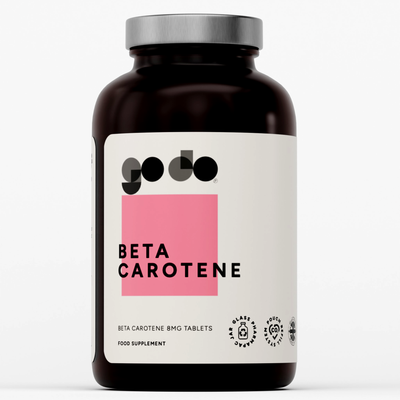
As the body undergoes hormonal shifts, the immune system can become more reactive. Supporting your internal health with antioxidants and immunity-boosting supplements ensures that you don't lose progress to illness or excessive systemic inflammation.
Data-Driven "Cycle Syncing" for Perimenopause
One of the most exciting developments in 2026 is the integration of wearable tech with hormonal tracking. For women in perimenopause, whose cycles may be erratic, AI-driven apps now analyze heart rate variability (HRV) and body temperature to suggest the optimal training load for that specific day.
- The Follicular Phase (Higher Estrogen): This is the time to push for Personal Bests (PBs) and high-intensity sessions. The body is more resilient and better at using carbohydrates for fuel.
- The Luteal Phase (Progesterone Rise): As body temperature rises and heart rate increases, the AI might suggest a "deload" week focusing on mobility and steady-state zone 2 cardio.
This data-driven approach prevents burnout and ensures that women are working with their biology rather than against it.
Nutritional Adjustments for the Modern Meno-Athlete
You cannot train like a 20-year-old and eat like a 20-year-old. In 2026, the nutritional focus for menopausal fitness is centered on protein leverage.
- Protein Minimums: Aim for 1.6g to 2.2g of protein per kilogram of body weight. This high protein intake is necessary to overcome "anabolic resistance": a condition where the aging body becomes less efficient at turning dietary protein into muscle tissue.
- Timing: Consuming 30-40g of high-quality protein within 90 minutes of resistance training is essential to trigger muscle protein synthesis.
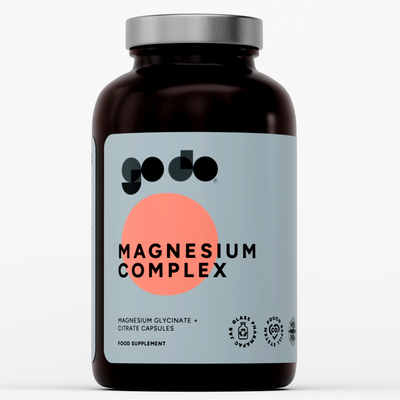
- Hydration: Estrogen affects how the body manages fluid balance. Increasing electrolyte intake, particularly magnesium and sodium, can help prevent the cramping and fatigue often associated with menopausal exercise.
Practical Steps to Start Your Strength Journey
If you are transitioning into menopause or are already post-menopausal, here is how to apply these 2026 trends to your life today:
- Prioritize Strength Over Cardio: If you only have three hours a week to exercise, spend all three in the weight room. Add walking for cardiovascular health, but make lifting the "main event."
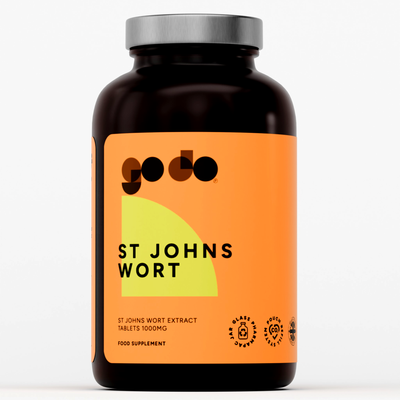
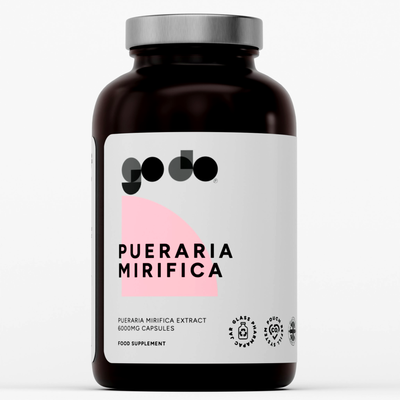
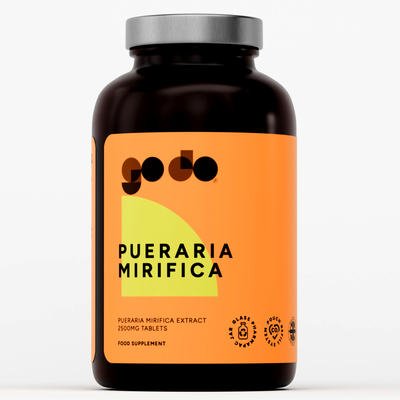
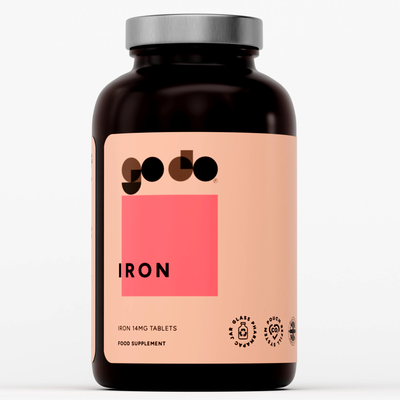
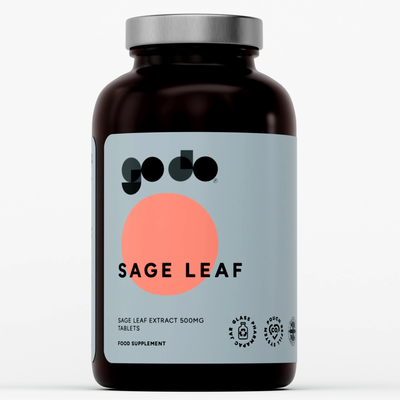
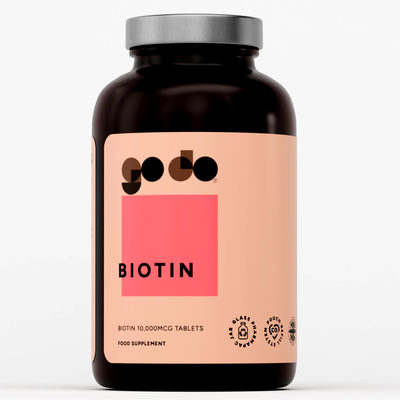
- Audit Your Supplements: Ensure you are taking a high-quality Calcium and Vitamin D supplement. Consider adding Ashwagandha to your nightly routine to support recovery. You can find targeted support in our health collections.
- Track Your Power: Don't just track weight loss. Track how much you can lift and how fast you can move. These are the metrics of longevity.
- Consult the Experts: Menopause-informed coaching is a specific skill. Look for trainers who understand the physiological nuances of the 45+ female body.
Safety and Consistency
Before beginning a heavy lifting program, it is vital to ensure proper form to prevent injury. Start with a foundational period focusing on movement patterns (hinge, squat, push, pull) before adding significant weight.
Disclaimer: Always consult with a healthcare provider before starting a new supplement regimen or high-intensity exercise program, especially if you have pre-existing bone density issues or cardiovascular concerns.
Summary Table: The 2026 Menopause Shift
| Feature | Old Approach (Pre-2024) | New Science-Backed Approach (2026) |
|---|---|---|
| Primary Goal | Weight loss / "Toning" | Longevity / Muscle & Bone Density |
| Training Type | Long-distance cardio / Light weights | Heavy resistance training / Power work |
| Supplementation | General Multi-vitamin | Calcium, Vit D, Ashwagandha, Protein |
| Tracking | Bathroom scales | Wearable data / HRV / Strength PRs |
| Mindset | "Eat less, move more" | "Lift heavy, recover harder" |
The shift toward strength in menopause isn't just a trend; it's a necessary evolution based on our growing understanding of female biology. By embracing heavy weights, data-driven recovery, and targeted supplementation, women in 2026 are rewriting the narrative of what it means to age.
Ready to optimize your health for the long haul? Explore our range of science-backed health care products to support your journey.