Modern life is designed to keep us in a state of high alert. From constant smartphone notifications to demanding work schedules, our bodies are often stuck in a "fight or flight" loop that was originally meant for escaping predators, not meeting deadlines. When this response stays active for too long, it leads to chronic stress, elevated cortisol levels, and eventual burnout.
At Fitness Health, we believe in using evidence-based nutrition to balance the body. While lifestyle changes like sleep and exercise are foundational, specific herbal supplements for stress: particularly a class of plants known as adaptogens: can provide the biological support needed to recalibrate your nervous system.
The Biological Cost of Modern Stress
To understand how herbal supplements help, you first need to understand the HPA axis (Hypothalamic-Pituitary-Adrenal axis). This is your body’s central stress response system. When you perceive a threat (or a stressful email), your HPA axis triggers the release of glucocorticoids, primarily cortisol.
While cortisol is necessary for waking up and responding to immediate danger, chronically high levels can lead to:
- Disrupted sleep patterns
- Brain fog and decreased concentration
- Weakened immune response
- Increased abdominal fat storage
Using targeted herbs can help "smooth out" the spikes and dips in this system, making you more resilient to daily pressures.
What Are Adaptogens?
The term "adaptogen" isn't just a marketing buzzword; it refers to a specific pharmacological group of plants. To be classified as an adaptogen, a herb must meet three criteria:
- It must be non-toxic to the user at normal doses.
- It must help the body resist a wide range of stressors (physical, chemical, or biological).
- It must have a normalizing influence on the body, helping it return to a state of balance (homeostasis).
Essentially, adaptogens act like a thermostat for your internal systems. If your cortisol is too high, they help bring it down. If it is too low (as in some stages of burnout), they help support your energy levels.

1. Ashwagandha: The King of Stress Management
Ashwagandha (Withania somnifera) is perhaps the most well-researched herb in the adaptogen family. Used for centuries in Ayurvedic medicine, modern clinical trials have confirmed its ability to significantly lower stress.
The Evidence:
In one notable study, participants taking high-concentration ashwagandha root extract saw a 44% reduction in perceived stress scores. More importantly, their serum cortisol levels dropped by nearly 28% compared to the placebo group.
Why it works:
Ashwagandha works by mimicking the inhibitory neurotransmitter GABA, which tells the brain to calm down. It also helps regulate the HPA axis to prevent overproduction of cortisol.
Best for:
- Chronic, long-term stress.
- Stress-related insomnia.
- Those feeling "wired but tired."
2. Rhodiola Rosea: Fighting Burnout and Mental Fatigue
If ashwagandha is for calming the body down, Rhodiola rosea is for picking the brain back up. Found in high altitudes in Arctic and European regions, Rhodiola is specifically prized for its ability to fight fatigue.
The Evidence:
Clinical research indicates that doses of approximately 400mg daily can significantly improve symptoms of burnout, including impaired concentration and lack of joy, within just one week of use. It is a powerful tool for those whose stress manifests as mental exhaustion rather than high anxiety.
Why it works:
Rhodiola contains active compounds called rosavins and salidroside. These compounds help protect the brain from oxidative stress and improve the transport of serotonin precursors, helping to stabilize mood while keeping you alert.
Best for:
- Workplace burnout.
- Exam or project-based stress.
- Mental fatigue and brain fog.
3. L-Theanine: The "Zen" Amino Acid
While not an herb itself, L-theanine is a compound found primarily in green tea leaves and is frequently included in herbal stress formulations. It is one of the most effective tools for immediate, short-term stress relief without sedation.
The Evidence:
Studies show that L-theanine can reduce saliva cortisol levels within just three hours of consumption. It promotes "alpha brain waves," which are associated with a state of "alert relaxation": the kind of focus you might feel during meditation.
For those looking to optimize cognitive performance under pressure, combining L-theanine with other brain-supporting nutrients can be very effective. You can find these types of formulations in our nootropics collection.

4. Lemon Balm and Passionflower: Traditional Calm
For those who experience stress as physical tension or digestive upset, traditional calming herbs like Lemon Balm (Melissa officinalis) and Passionflower are excellent choices.
Lemon Balm:
Research suggests that 700mg of lemon balm daily can improve self-reported anxiety symptoms and sleep quality within 12 weeks. It is particularly effective when stress causes "butterflies in the stomach" or digestive discomfort, which you can learn more about in our guide to gut health.
Passionflower:
Often used in liquid or capsule form, passionflower is a mild sedative that helps quiet a racing mind, making it easier to fall asleep during stressful periods.
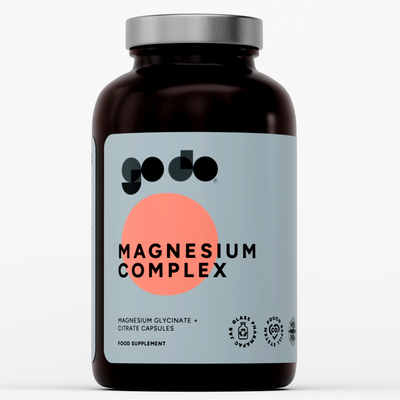
5. Magnesium: The Essential Mineral Support
Stress is a "magnesium burner." When you are under high pressure, your body uses magnesium at an accelerated rate to manage the nervous system. A deficiency in magnesium makes you more susceptible to stress, creating a vicious cycle.
Magnesium helps regulate neurotransmitters that send messages throughout the brain and nervous system. It also plays a role in the health of your nerves. For a deeper look at how nutrients support the nervous system, see our comprehensive guide to supplements for neuropathy.

Building Your "Stress-Less" Stack: Practical Instructions
When starting with herbal supplements for stress, consistency is more important than a high initial dose. Most adaptogens require 2 to 4 weeks to "build up" in your system and produce noticeable changes in your HPA axis function.
Recommended Daily Protocol:
- Morning: Take Rhodiola Rosea (200-400mg) on an empty stomach. This provides the mental energy needed for the day without the jitters of caffeine.
- Mid-Day: If you feel a mid-afternoon spike in anxiety, L-Theanine (200mg) can help maintain calm focus.
- Evening: Take Ashwagandha (300-600mg) with dinner. This helps lower cortisol levels in the evening, allowing your body to transition naturally into sleep mode.
- Before Bed: A dose of Magnesium Glycinate (200-400mg) can help relax muscles and support deep rest.
Quality Matters: What to Look For
Not all herbal supplements are created equal. When shopping for stress support, keep these criteria in mind:
- Standardized Extracts: Look for labels that mention "standardized to [percentage] of [active compound]." For example, Ashwagandha should be standardized for withanolides. This ensures you are getting the active part of the plant, not just ground-up roots.
- UK-Made Quality: Choosing UK-manufactured supplements ensures that the products meet stringent safety and purity standards.
- Fillers: Avoid products with unnecessary artificial colors or heavy fillers.
If you have questions about specific product ingredients or sourcing, our FAQ products page provides detailed information on how we formulate our range.

Safety and Precautions
While herbal supplements for stress are generally safe for most adults, they are potent biological tools.
- Consult a Professional: If you are taking medication for blood pressure, thyroid issues, or anxiety (such as SSRIs or benzodiazepines), speak with your GP before adding adaptogens to your routine. Some herbs, like Ashwagandha, can enhance the effects of these medications.
- Pregnancy and Breastfeeding: Most adaptogens have not been sufficiently studied in pregnant or breastfeeding women. It is best to avoid them during this time unless directed by a healthcare provider.
- Cycling: Many experts recommend "cycling" adaptogens: taking them for 8-12 weeks and then taking a 1-2 week break: to prevent your body from becoming too desensitized to their effects.
Summary: Key Takeaways
Managing stress requires a multi-faceted approach, but herbal support can provide the edge needed to stay balanced in a chaotic world.
- Ashwagandha is the gold standard for lowering cortisol and long-term stress resilience.
- Rhodiola Rosea is the best choice for overcoming mental fatigue and work-related burnout.
- L-Theanine offers quick relief for situational anxiety and improves focus.
- Magnesium is a critical mineral that prevents the physical depletion caused by chronic stress.
By supporting your HPA axis with these targeted herbs, you can move from a state of constant "survival" back into a state of thriving. For more information on how we support long-term wellness, feel free to explore our organisation values or contact us with any questions.