Let’s be real for a second: the week leading up to your period can feel like a total hijack of your body and mind. One minute you’re searching the pantry for anything chocolate-coated, and the next, you’re ready to cry because a commercial was slightly too emotional. This isn't just "being moody": it’s Premenstrual Syndrome (PMS), and for many of us at Fitness Health, it’s a monthly reality that involves everything from debilitating cramps to skin breakouts and intense irritability.
The good news? You don’t have to just "tough it out" or rely solely on heavy-duty painkillers. There are science-backed, natural ways to manage these symptoms. By focusing on specific minerals like magnesium, herbal interventions, and lifestyle tweaks, you can reclaim your month.
The Magnesium Miracle for Cramps and Sleep
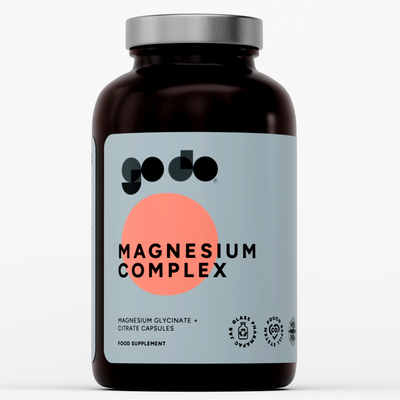
If there is one mineral you should prioritize for PMS, it’s magnesium. Think of magnesium as nature’s "chill pill" for your muscles. During your cycle, your uterus contracts to shed its lining, which is what causes those painful cramps. Magnesium helps the smooth muscle tissue in the uterus relax, reducing the intensity of those contractions.
But its benefits go beyond just physical pain. Magnesium plays a huge role in regulating the nervous system. If you find yourself struggling with "period insomnia" or feeling extra jittery, a boost in magnesium might be the answer.
How to get your dose:
- Foods: Load up on pumpkin seeds, chia seeds, spinach, and black beans.
- Supplementation: Many women find relief with a daily magnesium supplement. It’s often best taken in the evening to support better sleep.
- Epsom Salt Baths: A warm bath with Epsom salts (magnesium sulfate) allows for transdermal absorption while the heat works on your muscles.

Herbal Heroes: Ginger, Cinnamon, and Fennel
When we talk about natural solutions, herbs aren't just for tea: they are potent anti-inflammatories. Research has shown that certain herbs can be just as effective as over-the-counter NSAIDs (like ibuprofen) but with fewer side effects on the stomach.
1. Ginger
Ginger is a powerhouse for reducing prostaglandins, the chemicals that trigger inflammation and pain. Research suggests taking 250 mg of ginger four times daily for the first three days of your period can provide pain relief comparable to common OTC medications. You can take it in capsule form or brew a strong ginger tea using fresh root.
2. Cinnamon
It’s not just for oatmeal! Cinnamon has been shown to significantly reduce bleeding, nausea, and the severity of pain. A study found that taking 840 mg of cinnamon three times a day during the first three days of the cycle helped women manage their symptoms more effectively.
3. Fennel
Fennel works by inhibiting the contractions of the uterus. Taking roughly 30 mg of fennel extract four times a day when your period starts can help keep those sharp, stabbing pains at bay.
Stabilizing the "Moodies" with Vitamin B6 and Curcumin
The emotional roller coaster of PMS is often linked to shifts in estrogen and progesterone, which directly impact neurotransmitters like serotonin (our "feel-good" hormone).
Vitamin B6 is essential for the production of serotonin and dopamine. Taking a B6 supplement or eating foods rich in it: like chickpeas, tuna, and bananas: can help stabilize those sudden dips in mood.
Additionally, Curcumin (the active compound in turmeric) is gaining a lot of attention in the Antioxidants collection for its ability to modulate brain chemicals and reduce the physical distress of PMS. Research indicates that taking curcumin for seven days before your period and three days after can help increase Vitamin D levels and ease general PMS discomfort.
Omega-3s: Fighting Inflammation from the Inside Out
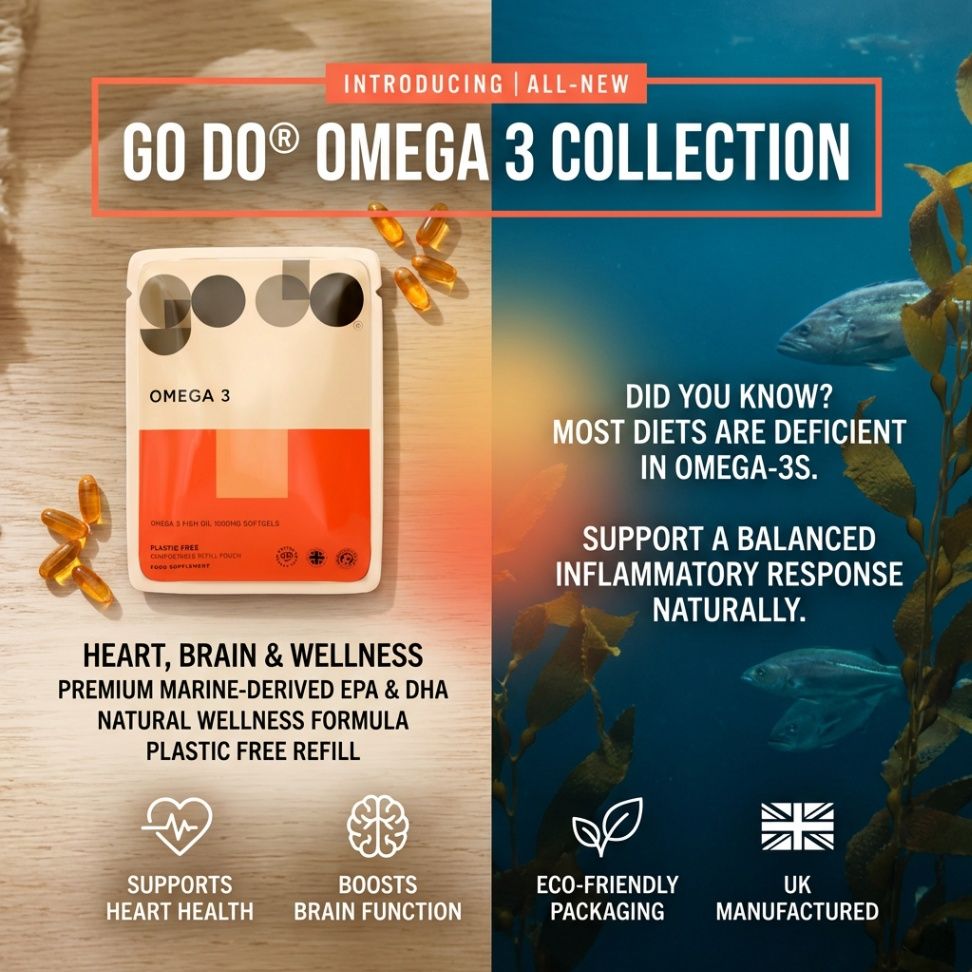
Chronic inflammation makes every PMS symptom feel ten times worse. Omega-3 fatty acids, commonly found in fish oil or algae oil, are excellent at dampening the inflammatory response. By reducing the production of inflammatory prostaglandins, Omega-3s help with both the physical pain of cramps and the emotional strain of the "blues."
Regularly including fatty fish like salmon or taking a high-quality Omega 3 supplement can create a more balanced internal environment throughout the month, not just during your period.
The Power of Heat and Gentle Movement
While it’s tempting to curl up in a ball and not move for 48 hours, some physical intervention can actually speed up relief.
Heat Therapy
Applying a heating pad or hot water bottle to your lower abdomen for 15 to 20 minutes is one of the oldest and most effective tricks in the book. The heat increases blood flow to the pelvic area, which helps the muscles relax and stops them from "clamping down."
Movement
We aren’t suggesting a HIIT workout when you’re in pain, but gentle stretching or a 20-minute walk can release endorphins. These are your body’s natural painkillers. Yoga poses like "Child’s Pose" or "Cat-Cow" are specifically great for opening up the hips and lower back, where period pain often radiates.
Essential Oils for Instant Relief
Don’t underestimate the power of scent and topical application. A massage using essential oils can significantly reduce the duration and intensity of cramps.
- Lavender: Known for its relaxing properties, it helps with both anxiety and muscle tension.
- Peppermint: Provides a cooling sensation and can help with the "foggy head" feeling or headaches associated with PMS.
- Rose: Some studies suggest that inhaling rose oil can reduce the perception of pain.
Safety Tip: Always dilute essential oils with a carrier oil (like coconut or almond oil). A safe ratio is usually one drop of essential oil per teaspoon of carrier oil.

Dietary Tweaks: What to Eat (and Avoid)
Your diet in the two weeks leading up to your period sets the stage for how you'll feel.
Foods to Lean Into:
- Leafy Greens: High in calcium and magnesium.
- Berries and Pineapple: Contain antioxidants and bromelain, which fight inflammation.
- Hydrating Foods: Watermelon and cucumber help reduce the bloating caused by water retention.
Foods to Limit:
- Salt: Too much sodium leads to the dreaded "puffiness" and water retention.
- Caffeine: It can constrict blood vessels, potentially making cramps worse and increasing breast tenderness.
- Refined Sugar: Causes blood sugar spikes and crashes, which wreak havoc on your mood and energy levels.
Red Clover and Hormonal Balance
For some women, PMS symptoms are exacerbated by a significant drop in estrogen. Red Clover is a traditional herbal remedy that contains isoflavones: a type of phytoestrogen. These plant-based compounds can weakly mimic estrogen in the body, helping to smooth out the hormonal "cliff" some of us fall off right before our periods start.

Summary Checklist for Your Next Cycle
To make this actionable, here is your "PMS Game Plan":
- Start Early: Begin taking magnesium and Omega-3s daily. Don't wait for the pain to start.
- Hydrate: Drink plenty of water and herbal teas (especially ginger and chamomile) to flush out excess sodium.
- Heat it Up: Keep a heating pad ready for 20-minute sessions at the first sign of discomfort.
- Track Your Cycle: Use an app or a journal to see when your "moody days" typically hit, so you can plan for extra rest.
- Supplement Wisely: Consider Vitamin B6 for mood support and Curcumin for overall inflammation.
Managing PMS naturally is about being proactive rather than reactive. By supporting your body with the right minerals and herbs, you can turn a week of misery into a week that’s actually manageable.
If you have questions about which supplements are right for your specific symptoms, feel free to Contact Us or check out our FAQ page. We’re here to help you feel your best every day of the month!