The thyroid gland is a small, butterfly-shaped organ located at the base of your neck. Despite its size, it functions as the body’s master controller for metabolism, energy production, and hormonal balance. When your thyroid is functioning optimally, you likely don’t give it a second thought. However, when it begins to underperform or overproduce hormones, the impact on your daily life can be significant.
Thyroid issues are incredibly common, yet they are frequently overlooked because the symptoms often mimic other conditions like stress, aging, or general fatigue. Understanding the signs of thyroid dysfunction is the first step toward regaining control of your health. At Fitness Health, we believe that education is the foundation of wellness. This guide outlines the warning signs of thyroid imbalance and the essential nutrients required to keep this vital gland working correctly.
The Two Faces of Thyroid Dysfunction
Thyroid problems generally fall into two categories: hypothyroidism (an underactive thyroid) and hyperthyroidism (an overactive thyroid). While they represent opposite ends of the spectrum, both can disrupt your quality of life.
1. Hypothyroidism (The Slowdown)
In hypothyroidism, the thyroid gland does not produce enough thyroid hormones. This slows down your body’s processes.
- Persistent Fatigue: This is the most reported symptom. Approximately 83% of individuals with thyroid issues report significant exhaustion that does not improve with sleep.
- Unexplained Weight Gain: Because metabolism slows down, your body burns fewer calories at rest, leading to weight gain even if your diet hasn't changed.
- Cold Intolerance: You may find yourself wearing sweaters when everyone else is comfortable. A slow metabolism generates less internal heat.
- Brain Fog: Many people describe a "cloudy" feeling, difficulty concentrating, or mild memory lapses.
2. Hyperthyroidism (The Speedup)
Conversely, hyperthyroidism occurs when the gland produces too much hormone, effectively putting your body into overdrive.
- Rapid Heart Rate: You might notice palpitations or a resting heart rate that feels unusually fast.
- Unintentional Weight Loss: Even with an increased appetite, the body burns fuel so quickly that maintaining weight becomes difficult.
- Heat Sensitivity: Excessive sweating and a low tolerance for warm environments are common.
- Anxiety and Irritability: The nervous system becomes overstimulated, leading to feelings of "jitters" or constant nervousness.

Common Signs You Shouldn’t Ignore
Because the thyroid affects almost every system in the body, the symptoms of an imbalance are diverse. If you notice a combination of the following signs, it may be time to consult a healthcare professional and look into your nutritional intake.
Digestive Changes
Thyroid hormones regulate the speed at which food moves through your digestive tract. Hypothyroidism often leads to chronic constipation because the muscles in the digestive system become sluggish. On the other hand, hyperthyroidism can cause frequent bowel movements or even diarrhea as the process is accelerated.
Skin, Hair, and Nail Health
Your skin and hair cells rely on thyroid hormones for regeneration. When levels are off, you might notice:
- Dry, itchy skin: Common in hypothyroidism due to decreased sweat gland activity.
- Thinning hair or loss of eyebrows: Specifically, the outer third of the eyebrows thinning is a classic sign of thyroid issues.
- Brittle nails: Nails that break or peel easily often indicate a lack of metabolic support.
Menstrual Irregularities
For women, the thyroid is closely linked to reproductive health. Imbalances can cause periods to become much heavier, more painful, or highly irregular. In some cases, thyroid dysfunction can even impact fertility. If you are tracking your cycle and notice sudden, unexplained shifts, the thyroid is a likely culprit.
Muscle and Joint Pain
Unexplained aches and pains, or a feeling of weakness in the arms and legs, can be linked to how the thyroid manages energy delivery to muscle tissues. If you find that your recovery time after a workout has increased significantly, or you feel stiff every morning, your thyroid function might be compromised.
Essential Vitamins and Minerals for Thyroid Function
Your thyroid cannot manufacture hormones out of thin air. It requires specific raw materials: vitamins and minerals: to function. Ensuring you have the right nutrient profile is essential for preventing and managing thyroid issues.
Iodine: The Building Block
Iodine is perhaps the most critical nutrient for thyroid health. The thyroid gland uses iodine to produce T3 and T4 hormones. Without sufficient iodine, the thyroid cannot do its job. While many people get iodine from salt, those on restrictive diets or those who have switched to non-iodized sea salts may become deficient.
Selenium: The Protector
Selenium is found in high concentrations in the thyroid gland. It acts as an antioxidant, protecting the gland from damage caused by oxidative stress. More importantly, selenium is required for the enzymes that convert T4 (the inactive hormone) into T3 (the active hormone that your cells actually use).
Zinc: The Messenger
Zinc plays a dual role. It helps the body produce thyroid-stimulating hormone (TSH) and is also involved in the conversion process of thyroid hormones. A deficiency in zinc can lead to a vicious cycle where low thyroid hormones lead to poor zinc absorption, which further lowers thyroid function.
Vitamin B12 and Iron
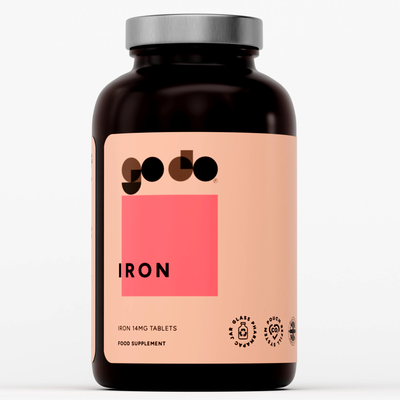
Many people with thyroid issues also suffer from anemia or B12 deficiency. Thyroid hormones are necessary for the absorption of these nutrients. If you feel constantly fatigued, even after starting thyroid support, checking your Iron and B12 levels is a vital step.

Supporting Your Thyroid Naturally
While medical intervention is sometimes necessary, lifestyle choices and targeted supplementation play a massive role in maintaining thyroid health.
- Prioritize Sleep: Since the thyroid regulates energy, giving your body 7–9 hours of quality sleep helps reduce the stress on the gland.
- Manage Stress: High levels of cortisol (the stress hormone) can inhibit thyroid hormone production. Practices like yoga, meditation, or simple daily walks can make a difference.
- Clean Up Your Diet: Focus on whole foods. Avoid excessive processed sugars, which can cause inflammation and worsen thyroid symptoms.
- Check for Goitrogens: Certain raw vegetables like kale, broccoli, and cabbage contain goitrogens, which can interfere with iodine uptake if eaten in very large quantities. Cooking these vegetables usually neutralizes this effect.
Why Quality and Affordability Matter
At Fitness Health, we understand that maintaining your health shouldn't be a financial burden. Many people avoid supplements because they perceive high-quality vitamins to be too expensive. We have worked hard to bridge that gap.
Our mission is to provide affordable, high-quality supplements that are backed by science. Whether you need a comprehensive multivitamin or specific minerals like Zinc and Selenium, we ensure that our products are accessible to everyone. We believe that preventative health care is a right, not a luxury. By keeping our prices fair, we empower you to take consistent action toward your wellness goals without breaking the bank.

When to See a Doctor
While supplements and lifestyle changes are powerful tools, they are not a replacement for medical advice. If you are experiencing severe symptoms: such as a resting heart rate over 100 bpm, sudden and extreme weight loss, or a visible swelling in your neck (goiter): you should seek a medical evaluation immediately.
A simple blood test, often checking levels of TSH, Free T3, and Free T4, can provide a clear picture of what is happening inside your body. Once you have your results, you can work with a professional to create a plan that includes the right vitamins and minerals for your specific needs.
Final Takeaways
- Listen to your body: Fatigue, weight changes, and temperature sensitivity are clear signals that something is out of balance.
- Nutrients are non-negotiable: Your thyroid requires Iodine, Selenium, and Zinc to produce and convert hormones effectively.
- Consistency is key: Hormonal health doesn't change overnight. Consistent nutrition and stress management are required for long-term results.
- Affordability matters: You don't need to spend a fortune to support your thyroid. Look for reputable brands like Fitness Health that prioritize both quality and value.
Understanding your thyroid health is about more than just managing symptoms; it’s about optimizing your life. By recognizing the signs early and providing your body with the essential nutrients it needs, you can ensure your "master controller" stays in perfect harmony.

Disclaimer: The information provided in this blog is for educational purposes only and does not constitute medical advice. Always consult with a healthcare professional before starting any new supplement regimen or if you suspect you have a medical condition.