Hot flashes and night sweats are among the most common symptoms experienced during the menopausal transition, affecting approximately 75% to 80% of women. Characterized by a sudden feeling of intense warmth, often accompanied by sweating and a rapid heartbeat, these episodes can disrupt daily life and significantly impact sleep quality.
While medical treatments like Hormone Replacement Therapy (HRT) exist, many women seek natural alternatives to manage these symptoms. At Fitness Health, we believe in providing educational resources and high-quality, UK-made herbal supplements to support your wellness journey effectively and affordably.
Immediate Lifestyle Adjustments for Cooling Relief
Managing hot flashes often starts with controlling your environment and personal habits. These practical steps can help reduce the frequency and intensity of symptoms without medication.
1. Master the Art of Layering
Temperature regulation becomes unpredictable during menopause. Wearing layers of lightweight, breathable fabrics: such as cotton, silk, or moisture-wicking tech fabrics: allows you to remove clothing quickly when a flash begins. Avoid synthetic materials like polyester, which trap heat and can worsen the experience.
2. Control Your Environment
Keep your living and workspaces cool. Use portable fans, keep windows open where possible, and consider using a "chill pillow" or cooling gel mat at night. If you suffer from night sweats, lowering the thermostat in your bedroom to around 16–18°C (60–65°F) can prevent the body from overheating during sleep.
3. Identify and Track Triggers
Not every woman has the same triggers, but common culprits include:
- Spicy foods: These can dilate blood vessels and trigger a heat response.
- Caffeine: Known to increase heart rate and body temperature.
- Alcohol: Particularly red wine, which can interfere with the body's internal thermostat.
- Stress: High cortisol levels are often linked to more frequent hot flashes.

Dietary Strategies for Hormonal Balance
What you eat plays a significant role in how your body handles hormonal shifts. Transitioning toward a plant-forward diet can provide the nutrients needed to stabilize the endocrine system.
The Power of Phytoestrogens
Phytoestrogens are naturally occurring plant compounds that structurally resemble the oestrogen produced by the human body. When oestrogen levels drop during menopause, phytoestrogens can bind to oestrogen receptors, potentially "tricking" the body into feeling more balanced.
Foods rich in phytoestrogens include:
- Soy products: Tofu, tempeh, edamame, and organic soy milk.
- Seeds: Flaxseeds (linseeds) and sesame seeds are particularly potent.
- Legumes: Lentils, chickpeas, and beans.
Research suggests that a diet high in whole soy foods can lead to a significant reduction in moderate-to-severe hot flashes. We recommend incorporating at least one serving of these foods into your daily routine.
Hydration and Micronutrients
Dehydration can make the body more sensitive to temperature changes. Aim for 2 litres of water daily. Additionally, focus on a Mediterranean-style diet rich in fruits like pineapple, berries, and melons, which have been associated with a lower risk of severe menopausal symptoms.
Natural Herbal Supplements That Work
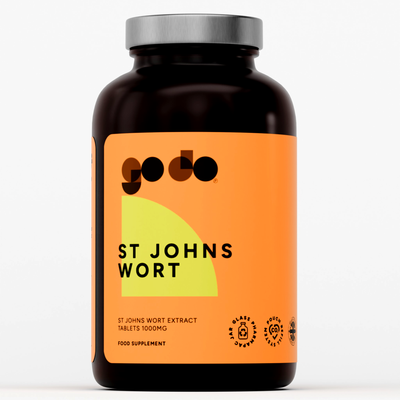
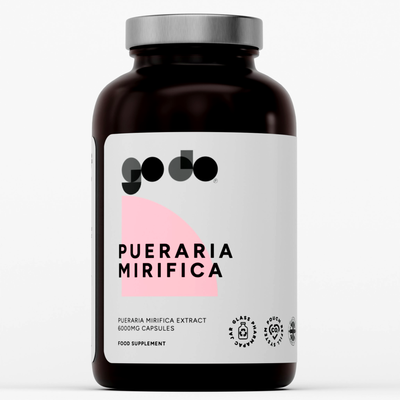
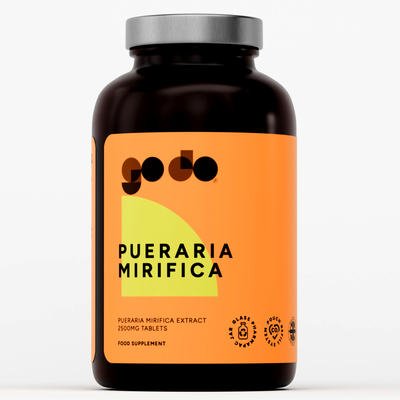
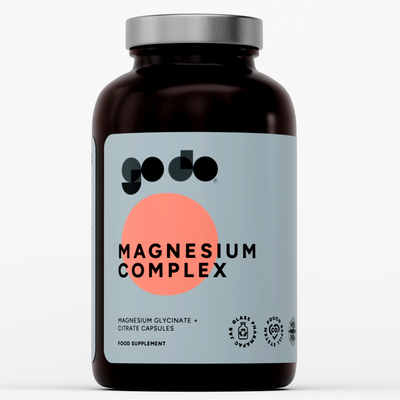
For many, lifestyle changes alone aren't enough. This is where targeted herbal supplementation can bridge the gap. At Fitness Health, we specialise in high-potency, UK-manufactured supplements designed for efficacy. Our range of women's health products typically retails between $13 and $15, making premium natural care accessible.
Red Clover: The Natural Oestrogen Alternative
Red clover is one of the most popular herbs for managing menopause. It contains specific isoflavones (a type of phytoestrogen) that have been shown in various studies to reduce the frequency of hot flashes.

Black Cohosh
Black cohosh is perhaps the most well-researched herb for menopausal relief. It is believed to act on the hypothalamus (the body’s thermostat) to help regulate temperature. While it does not contain oestrogen, it supports the nervous system in a way that minimizes the "surge" feeling associated with hot flashes.
Evening Primrose Oil
Rich in gamma-linolenic acid (GLA), evening primrose oil is often used to tackle the inflammation and hormonal fluctuations that trigger night sweats. It is a staple in many women's supplement cabinets for its ability to support skin health and hormonal regularity.
Iron and B12: The Hidden Connection
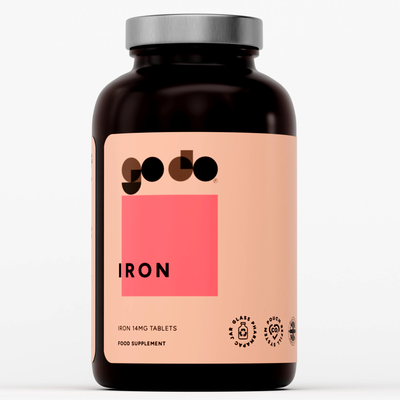
Sometimes, what feels like a hot flash or night sweat can be exacerbated by underlying deficiencies. Low iron levels can lead to poor temperature regulation and fatigue, while B12 deficiency can impact the nervous system. If you are experiencing excessive sweating alongside fatigue, consider checking your levels. You can find targeted support in our Women's Health collection.

Mind-Body Techniques to Dampen the Heat
The nervous system plays a vital role in how the body reacts to a hot flash. By calming the "fight or flight" response, you can often shorten the duration of a flash.
Paced Breathing (Breathwork)
Paced breathing is a clinically proven technique to manage hot flashes. When you feel a flash coming on:
- Inhale slowly through your nose for a count of 5.
- Expand your abdomen, not just your chest.
- Exhale slowly through pursed lips for a count of 6.
- Repeat this for 5 to 10 minutes, twice a day, or whenever a flash begins.
This practice lowers the heart rate and calms the sympathetic nervous system, making the heat surge feel less intense.
Regular Physical Activity
While exercise itself can make you feel hot, regular physical activity: specifically strength training and yoga: has been shown to improve the body's ability to regulate its own temperature. Aim for 30 minutes of moderate activity at least five days a week.
Why Choose UK-Made Supplements?
When selecting supplements for hormonal health, quality and origin matter. At Fitness Health, all our products are:
- Manufactured in the UK: We adhere to strict Good Manufacturing Practice (GMP) standards.
- Affordably Priced: We believe that high-quality health should not be a luxury. Most of our targeted herbal supports are priced between $13 and $15.
- Pure and Potent: We use standardized extracts to ensure you get a consistent dose of the active ingredients in every capsule.
You can browse our full range and learn more about our commitment to quality on our FAQ page.

Safety and Guidance
While natural remedies are effective for many, it is essential to approach supplementation with care:
- Consult a Professional: If you have a history of hormone-sensitive cancers (such as certain types of breast cancer), speak with your GP before using phytoestrogens or herbs like Red Clover.
- Consistency is Key: Natural supplements often take 4 to 8 weeks to build up in your system. Don't expect immediate results; consistency is vital for long-term relief.
- Monitor Your Symptoms: Keep a diary of your supplements and your symptoms to see what is working specifically for your body.
Summary Checklist for Managing Hot Flashes
- Dress in layers: Use natural, breathable fabrics.
- Lower the thermostat: Especially in the bedroom.
- Eat Phytoestrogens: Incorporate soy and flaxseeds into your meals.
- Supplement Wisely: Consider Red Clover or Black Cohosh from the Fitness Health range.
- Practice Breathwork: Use paced breathing to calm the nervous system during a flash.
- Stay Hydrated: Drink at least 2 litres of water daily to help with temperature regulation.
Managing the transition through menopause doesn't have to mean relying solely on pharmaceutical interventions. By combining lifestyle changes, dietary shifts, and high-quality natural supplements, you can regain control over your body's thermostat and improve your overall quality of life.
For more information on supporting your health naturally, visit our Help Centre or reach out to us via our Contact Page.