For decades, we viewed the digestive system and the endocrine (hormone) system as two entirely separate entities. Digestion was about breaking down food, while hormones were the chemical messengers produced by glands like the thyroid, adrenals, and ovaries. However, recent scientific breakthroughs have revealed a complex, bidirectional highway between your gut and your hormones.
At Fitness Health, we see the impact of this connection every day. Whether it is unexplained fatigue, stubborn weight gain, or mood swings, the root often lies in a disrupted gut microbiome. In fact, researchers now consider the gut microbiome to be a "virtual endocrine organ" because it directly influences the production, secretion, and regulation of almost every hormone in the human body.
The Estrobolome: How Your Gut Manages Estrogen
One of the most critical roles of the gut is the regulation of estrogen. The specific collection of bacteria tasked with this job is known as the estrobolome.
Under normal conditions, your liver processes estrogen and sends it to the gut to be excreted. However, when the gut microbiome is out of balance (a state called dysbiosis), certain bacteria produce an enzyme called $\beta$-glucuronidase. This enzyme unbinds the estrogen that was destined for excretion, allowing it to be reabsorbed back into your bloodstream.
Symptoms of high estrogen (estrogen dominance) linked to gut issues include:
- Heavy or painful periods
- Bloating and water retention
- Mood swings and irritability
- Breast tenderness
By maintaining a healthy gut through high-fiber diets and targeted probiotics, you help ensure that excess estrogen leaves the body rather than recycling through your system.

The Thyroid-Gut Connection: T4 to T3 Conversion
The thyroid gland produces a hormone called T4 (thyroxine), which is the inactive form. To be used by your cells for energy and metabolism, it must be converted into T3 (triiodothyronine). While some of this conversion happens in the liver, approximately 20% of the conversion from T4 to T3 occurs in the gut.
This process requires an enzyme called intestinal sulfatase, which is produced by healthy gut bacteria. If your microbiome is compromised, your body cannot effectively convert thyroid hormones, leading to symptoms of hypothyroidism even if your thyroid gland itself is functioning perfectly. Furthermore, a "leaky gut" can trigger inflammation that causes the immune system to attack the thyroid, a condition known as Hashimoto’s thyroiditis.
Actionable Steps for Thyroid Support:
- Ensure adequate Selenium and Zinc: These minerals are vital for both gut integrity and thyroid conversion.
- Manage Inflammation: Use antioxidants to reduce systemic inflammation that interferes with hormonal signaling.
- Check for Food Sensitivities: Common triggers like gluten or dairy can irritate the gut lining, indirectly slowing thyroid function.

Cortisol and the Gut-Brain Axis
We often talk about "gut feelings" when we are stressed or anxious. This is the gut-brain axis in action. Your gut and your brain are constantly communicating via the vagus nerve.
When you are under chronic stress, your adrenal glands pump out cortisol. Elevated cortisol levels increase gut permeability (leaky gut) and change the composition of your microbiome. Conversely, an unhealthy gut sends stress signals to the brain, keeping your cortisol levels high even when there is no external stressor.
Studies have shown that certain probiotic strains, often called "psychobiotics," can actually lower cortisol levels and improve the body’s resilience to stress. By healing the gut, you effectively "calm" the endocrine system.
Insulin Sensitivity and Metabolic Hormones
Your gut bacteria also play a significant role in how you process sugar. Certain strains of bacteria help improve insulin sensitivity, while an overgrowth of "bad" bacteria can lead to insulin resistance.
When insulin levels are chronically high, it signals the body to store fat, particularly around the midsection. This creates a vicious cycle: poor gut health leads to insulin resistance, which leads to weight gain, which further disrupts hormonal balance.
How to improve metabolic hormone balance:
- Increase Soluble Fiber: This feeds the beneficial bacteria that produce short-chain fatty acids (SCFAs), which improve insulin sensitivity.
- Time Your Meals: Giving your gut a rest (intermittent fasting) allows the "migrating motor complex" to clean out the small intestine, preventing bacterial overgrowth.
The Role of Probiotics in Hormone Regulation
To maintain this delicate balance, your gut needs a diverse and robust population of beneficial bacteria. While fermented foods like sauerkraut and kefir are helpful, therapeutic doses of specific strains are often necessary to correct hormonal imbalances.
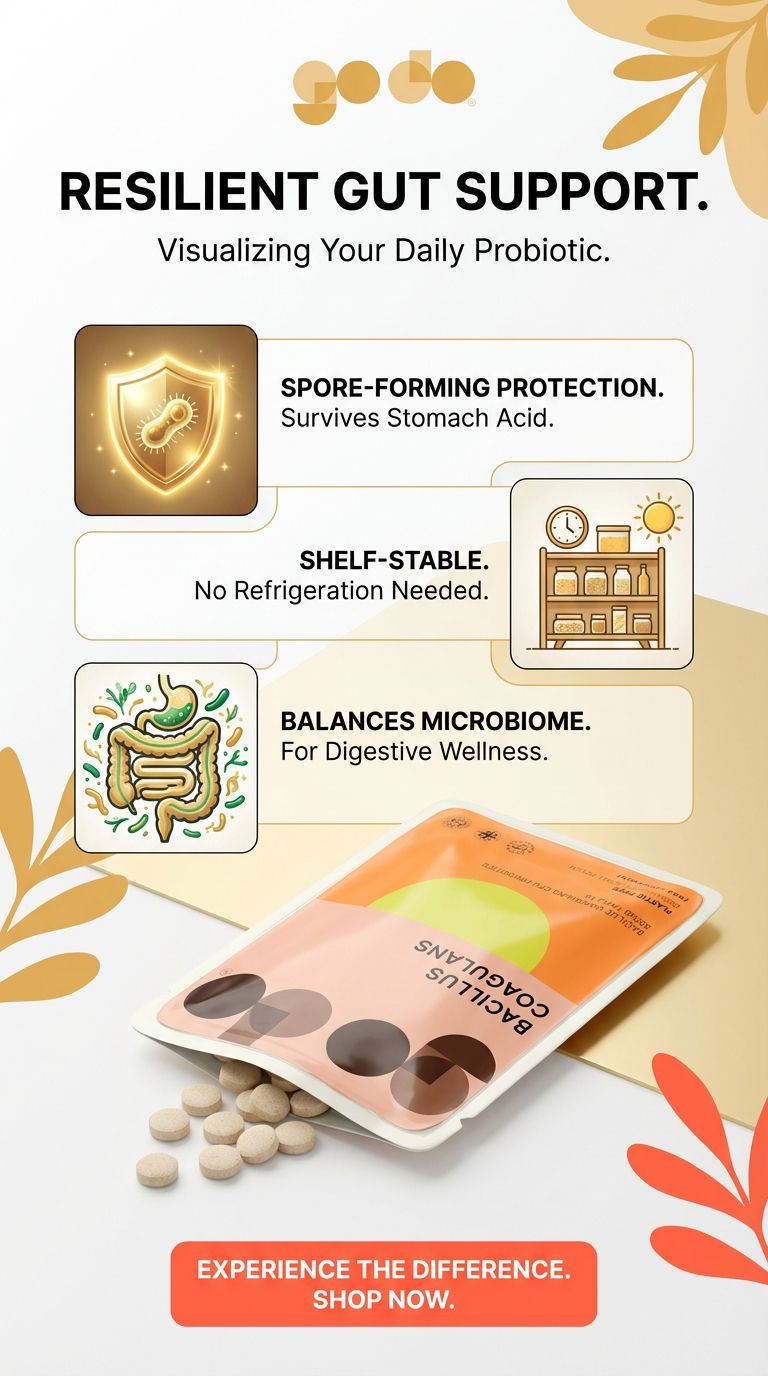
Spore-forming probiotics, such as Bacillus Coagulans, are particularly effective because they survive the harsh acidic environment of the stomach to reach the intestines where they are needed most.
Practical Strategies for a Hormone-Friendly Gut
Achieving hormonal balance isn't just about taking a supplement; it requires a holistic approach to digestive health. Here are the most effective ways to support your gut-hormone connection:
1. Focus on Prebiotic Fiber
Prebiotics are the "food" for your good bacteria. Without them, your probiotics won't thrive. Aim for 25-30g of fiber daily from sources like:
- Garlic and onions
- Leeks and asparagus
- Green bananas
- Chicory root
2. Prioritize Sleep
Sleep deprivation is a major hormonal disruptor. Just one night of poor sleep can increase cortisol and decrease insulin sensitivity. Interestingly, your gut microbes have their own circadian rhythm. Keeping a consistent sleep-wake cycle helps your "good" bacteria stay on track.
3. Hydrate Correctly
Water is essential for moving waste: including used-up hormones: out of the digestive tract. Dehydration can lead to constipation, which means hormones like estrogen sit in the colon longer, increasing the risk of reabsorption.
4. Supplement Wisely
While diet is the foundation, targeted supplements can bridge the gap. For those dealing with nerve-related issues often tied to hormonal or metabolic dysfunction, a comprehensive guide to neuropathy supplements can provide additional context on how vitamins and minerals support the overall system.

Summary of Key Takeaways
- The Estrobolome: Your gut bacteria regulate estrogen levels. Poor gut health can lead to estrogen dominance.
- Thyroid Conversion: 20% of your active thyroid hormone is converted in the gut.
- Cortisol Loop: Stress damages the gut, and an unhealthy gut increases stress hormones.
- Insulin Balance: Gut health is a primary driver of how your body manages blood sugar and weight.
If you are struggling with symptoms that feel "hormonal," it may be time to stop looking at the glands and start looking at your gut. By supporting your microbiome, you provide the foundation your endocrine system needs to function at its best.
For more information on our specific digestive health solutions, you can browse our product catalog or reach out to our team via our contact page.
Disclaimer: The information provided in this blog post is for educational purposes only and is not intended as medical advice. Always consult with a healthcare professional before starting any new supplement or making significant changes to your diet, especially if you have a pre-existing medical condition or are taking medication.