Do you wake up feeling like you haven't slept? Does walking up a flight of stairs leave you breathless? Chronic fatigue is one of the most common complaints in modern healthcare, and very often, the culprit is hiding in plain sight: iron deficiency.
Iron is an essential mineral that your body cannot produce on its own. It must be obtained through diet or supplementation. When your levels drop, your entire system slows down. This article explores the biological role of iron, why its absence leads to profound exhaustion, and how you can reclaim your energy levels through smarter lifestyle choices and high-quality supplementation.
Understanding the Biological Role of Iron
To understand why you are tired, you first need to understand what iron does inside your cells. Iron is the primary building block for hemoglobin, a specialized protein found in red blood cells.
Hemoglobin’s sole job is to latch onto oxygen in the lungs and carry it to your muscles, brain, and organs. Without sufficient iron, your body cannot manufacture enough healthy red blood cells. This leads to a state where your tissues are essentially "starved" of the oxygen they need to create energy.
The Energy Factory: ATP Production
Beyond hemoglobin, iron is a critical component of the electron transport chain within your mitochondria: the "powerhouses" of your cells. This process creates Adenosine Triphosphate (ATP), the universal energy currency of the body. If iron levels are low, ATP production falters, leading to both physical lethargy and mental "brain fog."

Common Signs and Symptoms of Iron Deficiency
Fatigue is the hallmark symptom, but iron deficiency often presents a cluster of other physical signs. Recognising these early can help you take action before the condition progresses to clinical anemia.
- Persistent Exhaustion: Unlike normal tiredness that resolves with rest, this fatigue feels heavy and constant.
- Pale Skin and Brittle Nails: A lack of hemoglobin (which gives blood its red colour) can make the skin, inner eyelids, and nail beds appear pale.
- Shortness of Breath: Because oxygen transport is inefficient, your heart and lungs have to work significantly harder to meet the body's demands.
- Cold Hands and Feet: Poor circulation and reduced oxygen delivery often result in a heightened sensitivity to cold.
- Restless Legs: There is a strong clinical link between low iron stores (ferritin) and Restless Legs Syndrome (RLS), particularly at night.
- Pica Cravings: Some individuals experience unusual cravings for non-food items, such as ice, dirt, or paper.
- Headaches and Dizziness: Low oxygen levels in the brain can cause frequent lightheadedness or pressure-type headaches.
Why You Feel Tired: The Oxygen Gap
When you have an iron deficiency, your body enters a state of "compensated" function. Your heart beats faster to circulate the limited amount of oxygenated blood more quickly. This puts a constant strain on your cardiovascular system.
Even if you aren't clinically anemic (where your red blood cell count is dangerously low), you can still suffer from "non-anemic iron deficiency." Research suggests that even a slight dip in iron stores can significantly impact energy levels and cognitive performance. This is why many people feel "fine" according to standard blood tests but remain exhausted in their daily lives.
Who is Most at Risk?
Iron deficiency does not affect everyone equally. Certain demographic groups and lifestyle choices increase the likelihood of depletion:
- Women of Childbearing Age: Monthly blood loss through menstruation is the leading cause of iron deficiency globally. Those with heavy cycles are at particularly high risk.
- Pregnant Women: Blood volume increases significantly during pregnancy, and the developing foetus requires substantial iron stores, often depleting the mother's reserves.
- Vegetarians and Vegans: Plant-based iron (non-heme) is significantly harder for the body to absorb than iron from animal sources (heme).
- Endurance Athletes: High-impact exercise, such as long-distance running, can cause "foot-strike hemolysis," where red blood cells are physically damaged, leading to iron loss.
- Individuals with Gut Health Issues: Conditions like Celiac disease or inflammatory bowel disease (IBD) can hinder the absorption of iron in the small intestine. You can learn more about managing these issues in our gut health collection.

The Problem with Standard Iron Supplements
If you’ve tried iron supplements before, you might have stopped due to unpleasant side effects. Traditional iron salts, such as ferrous sulfate, are notorious for causing:
- Nausea and stomach upset
- Constipation
- Abdominal cramping
- Metallic aftertaste
These side effects occur because the iron is not well-absorbed, leaving unabsorbed mineral sitting in the gut where it causes irritation. This leads to a cycle of "non-compliance," where patients stop taking the very mineral they need to feel better.
The Fitness Health Difference: Gentle and Effective
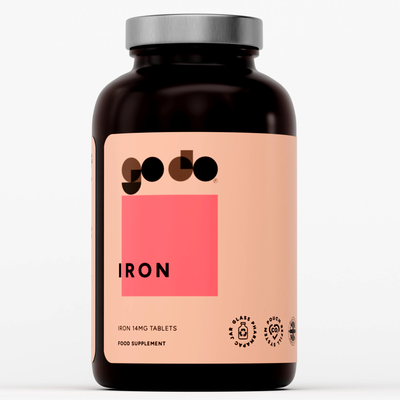
At Fitness Health, we believe that improving your health shouldn't be a painful process. We have formulated our iron supplements to be easy-on-the-stomach. By using specific forms of iron that are more bioavailable, we ensure that more of the mineral enters your bloodstream and less stays in your digestive tract to cause irritation.
Furthermore, we are committed to making high-quality nutrition accessible. Our supplements are designed with affordable pricing in mind, ensuring you can maintain your health journey without financial strain. You can explore our targeted range in the Women’s Health and Energy sections.
How to Optimize Iron Absorption
Taking a supplement is only half the battle; you must also ensure your body can actually use the iron you provide. Follow these practical steps to maximize your levels:
1. Pair with Vitamin C
Vitamin C is a powerful enhancer of iron absorption. Taking your supplement with a glass of orange juice or a Vitamin C tablet can significantly increase the amount of non-heme iron your body absorbs.
2. Avoid "Iron Inhibitors"
Certain substances bind to iron in the gut and prevent it from being absorbed. Try to avoid the following for at least one hour before and after taking your supplement:
- Tea and Coffee: These contain tannins and polyphenols that block iron.
- Calcium: High doses of calcium (from dairy or supplements) can compete with iron for absorption.
- Phytic Acid: Found in whole grains and legumes, though soaking these foods can help reduce their inhibitory effect.
3. Check Your B12 Levels
Energy production is a team effort. Sometimes, fatigue is caused by a dual deficiency of both Iron and Vitamin B12. If your iron levels are corrected but you still feel sluggish, it may be worth investigating your B12 status. You can find more information on the synergy between these nutrients in our comprehensive guide to supplements.

Testing and Diagnosis: What to Ask Your Doctor
If you suspect you are iron deficient, do not self-diagnose. Excessive iron (hemochromatosis) can be toxic. Request a full iron panel from your GP, which should include:
- Serum Iron: The amount of iron in your blood.
- Ferritin: Your body’s "storage" levels of iron. This is often the most important number for detecting early-stage deficiency.
- Transferrin Saturation: How well your blood is transporting iron.
- Hemoglobin (FBC/CBC): To check for clinical anemia.
Summary Checklist for Recovering Your Energy
- Identify the Symptoms: Monitor for fatigue, breathlessness, and cold extremities.
- Get Tested: Ask for a full iron panel, specifically checking ferritin levels.
- Choose the Right Supplement: Look for "gentle" or "stomach-friendly" formulations like those offered at Fitness Health.
- Time Your Intake: Take iron with Vitamin C and away from tea, coffee, or dairy.
- Be Patient: It can take 3 to 6 months of consistent supplementation to fully replenish depleted iron stores.
Iron deficiency is a treatable condition. By understanding how this mineral functions and choosing supplements that work with your body rather than against it, you can clear the "brain fog" and return to your most energetic self. For more targeted support, visit our full collection of vitamins and minerals.