If you are reading this while hovering over a bowl of plain crackers or curled up on the bathroom floor, know that you are not alone. Morning sickness is one of the most common: and arguably most frustrating: parts of pregnancy. Despite the name, it rarely limits itself to the morning. For many expectant moms, it is an all-day affair that makes work, exercise, and even basic hydration feel like an uphill battle.
At Fitness Health, we understand that you want to keep your body nourished and your baby healthy without relying on heavy medications if you don't have to. The good news is that there are several evidence-based natural remedies and lifestyle changes that can significantly dampen the waves of nausea.
In this guide, we will break down the best natural ways to manage morning sickness, from specific dietary shifts to the safe use of supplements.
Understanding the "Why" Behind the Nausea
Morning sickness usually kicks in around week six and, for most, begins to fade by the end of the first trimester. It is primarily driven by the rapid surge of hormones, specifically Human Chorionic Gonadotropin (hCG) and estrogen. These hormones are vital for your baby's development, but they can slow down your digestion and make your sense of smell incredibly sensitive.
Low blood sugar and nutritional deficiencies, particularly in B vitamins, can also play a role in how severe your symptoms feel. By addressing these physical triggers naturally, you can regain control of your day.
The "Anti-Nausea" Diet: What to Eat When You Can’t Eat
When your stomach is in knots, the idea of a "balanced meal" might seem impossible. Instead of forcing three large meals, focus on grazing. An empty stomach is often a nauseous stomach because gastric acid has nothing to work on but your stomach lining.
1. The BRAT Diet and Bland Foods
The BRAT diet stands for Bananas, Rice, Applesauce, and Toast. These foods are low in fiber and easy for the digestive tract to process.
- Bananas: High in potassium and easy to eat.
- Rice and Toast: Simple carbohydrates that provide quick energy without a strong smell.
- Applesauce: Provides hydration and gentle sugar to keep your blood glucose from dipping too low.
2. Prioritize Protein
Recent research suggests that high-protein snacks can be more effective at settling the stomach than high-carb snacks. Protein helps increase the production of gastrin, a hormone that keeps things moving in the right direction through your digestive system.
- Hard-boiled eggs: Keep them in the fridge for a quick, cold snack.
- Greek yogurt: Provides protein and probiotics for gut health.
- Nuts and seeds: A small handful of almonds or walnuts can stabilize your blood sugar for hours.

3. Eat Before You Get Out of Bed
Keep a box of saltines or plain biscuits on your nightstand. Eat a few before you even sit up in the morning. This prevents your blood sugar from crashing after a night of fasting and gives your stomach something to do while you get ready for the day.
Herbal Heroes: Ginger and Peppermint
Nature has provided two incredibly potent tools for combating nausea: ginger and peppermint. Both have been used for centuries and are backed by modern science.
The Power of Ginger
Ginger is considered the "gold standard" for natural morning sickness relief. It contains compounds called gingerols and shogaols that help speed up stomach emptying and calm the digestive tract.
- Ginger Tea: Steep fresh ginger root in hot water with a slice of lemon.
- Ginger Chews: Great for on-the-go relief.
- Real Ginger Ale: Check the label to ensure it contains actual ginger root, not just "natural flavors" and sugar.
Soothing Peppermint
Peppermint works by relaxing the muscles in your stomach, which can stop the cramping sensations associated with nausea.
- Inhalation: Sometimes just smelling peppermint essential oil or fresh mint leaves can break a wave of nausea.
- Tea: Sipping lukewarm peppermint tea throughout the day helps with both hydration and settling the stomach.
Hydration Strategies for the Nauseous Mom
Dehydration is a major risk when you are dealing with frequent vomiting or food aversion. However, chugging a large glass of water can often trigger more nausea.
Try these hydration hacks:
- Ice Chips: Sucking on ice chips allows for slow, steady hydration without overwhelming the stomach.
- Water-Rich Fruits: Watermelon, cucumbers, and strawberries are excellent sources of "structured water" and provide essential vitamins like B6 and C.
- Electrolyte Replacement: If you are struggling to keep anything down, an electrolyte drink can help maintain your mineral balance. Avoid high-sugar sports drinks; instead, look for natural coconut water or specialized powders.

Vitamins and Supplements: Supporting Your Body Safely
Sometimes, your diet alone isn't enough to bridge the gap, especially if you have a strong aversion to many foods. Specific vitamins play a crucial role in managing how your body processes pregnancy hormones.
Vitamin B6 and B12
Vitamin B6 (pyridoxine) is frequently recommended by doctors as a first-line defense against morning sickness. It helps the body process certain amino acids that can reduce nausea.
Similarly, a B12 deficiency can contribute to the fatigue that often accompanies morning sickness. Ensuring you have adequate levels of these vitamins can help maintain your energy levels and keep the "pregnancy brain" fog at bay. You can find high-quality options in our Women’s Health collection.
Managing Iron Intake
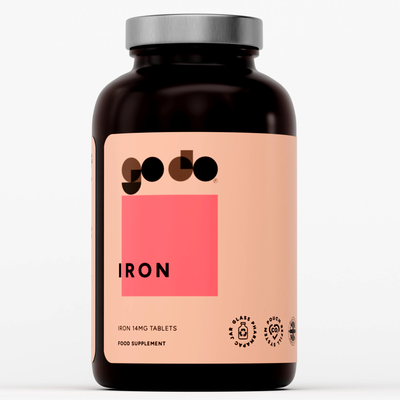
While iron is vital for preventing anemia during pregnancy, it is notorious for causing stomach upset. If your prenatal vitamin makes you feel worse, consider these tips:
- Switch to a natural iron supplement: Synthetic iron is often harder on the gut. Look for food-based or gentle iron formulations.
- Take it at night: Taking your iron right before bed can help you "sleep through" the peak of the digestive upset.
- Take it with Vitamin C: This aids absorption and can be more efficient, allowing you to take a lower dose if your doctor approves.
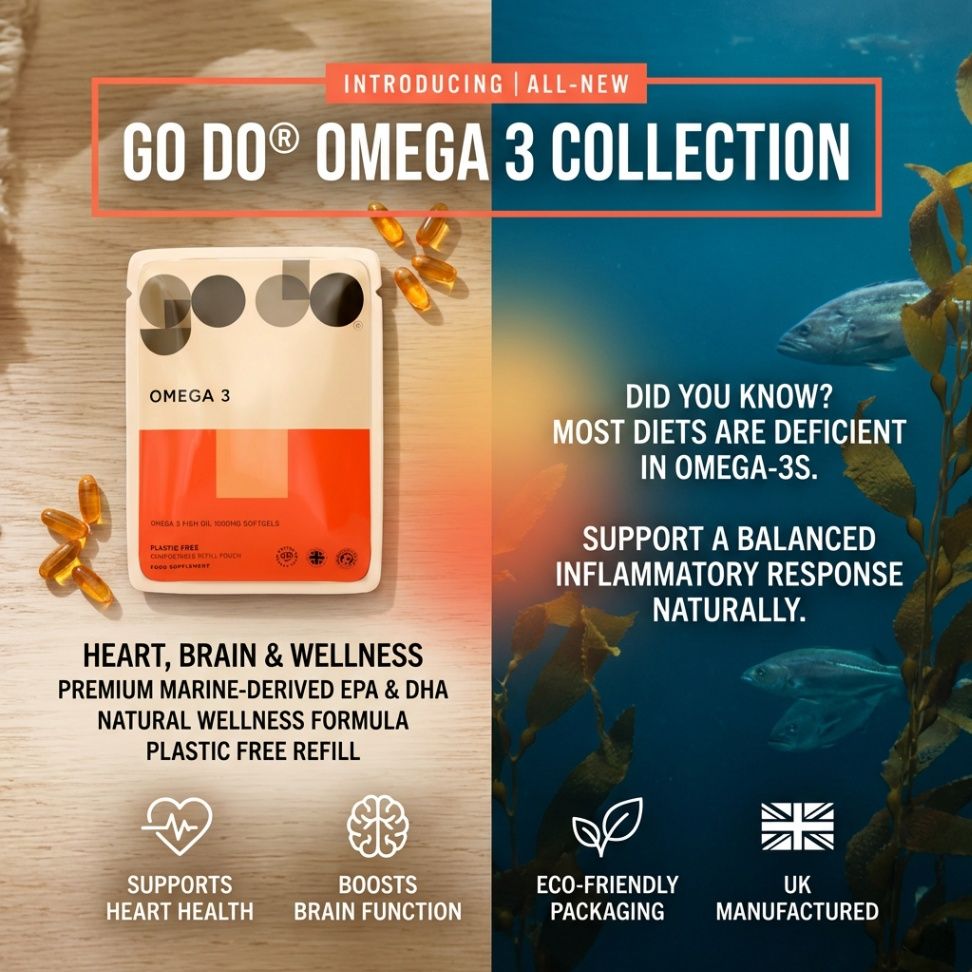
Ensuring you get high-quality Omega-3s is also essential for fetal development, but choose a high-purity version to avoid "fishy burps" that can trigger nausea.
Lifestyle Tweaks and Home Remedies
Beyond what you put in your mouth, how you treat your body and your environment can make a massive difference.
1. Acupressure and Wristbands
Acupressure targets the P6 (Neiguan) point on the inner wrist. Stimulating this point has been shown in clinical trials to reduce the frequency and severity of nausea. Many moms find relief using "Sea-Bands" or similar elasticated wristbands that apply constant pressure to this area.
2. Control Your "Scent-vironment"
Pregnancy heightens your sense of smell to an almost superhuman level. Scents that you used to love: like your partner’s cologne or the smell of coffee: might now be triggers.
- Open windows: Keep fresh air circulating in your home and office.
- Lemon Scent: Keep a cut lemon nearby. Sniffing fresh citrus can act as a "circuit breaker" for the brain when it starts to feel nauseated.
- Avoid cooking smells: If possible, have someone else handle the cooking or stick to cold foods that don't release strong aromas.
3. Prioritize Rest
Tiredness and stress significantly worsen morning sickness. When you are exhausted, your body's ability to regulate hormones and blood sugar is compromised. Make sure you are getting 7–9 hours of sleep and taking short naps during the day if your schedule allows.
When to See a Doctor
While most morning sickness is a normal (albeit miserable) part of pregnancy, there is a more severe form called Hyperemesis Gravidarum (HG). You should contact your healthcare provider if:
- You cannot keep any fluids or food down for 24 hours.
- You see blood in your vomit.
- You feel dizzy, faint, or extremely weak.
- You are losing weight rapidly.
- Your urine is very dark or you are not urinating frequently.
Summary Checklist for Natural Relief
To make this actionable, here is your daily checklist for managing morning sickness:
- Morning: Eat 2-3 crackers before getting out of bed.
- Snacks: Eat small, high-protein snacks every 2 hours (nuts, eggs, or Greek yogurt).
- Hydration: Sip ginger tea or water with lemon throughout the day.
- Environment: Keep a "scent-neutral" zone; use citrus or peppermint essential oils if needed.
- Supplements: Take Vitamin B6/B12 and ensure your iron supplement is a "gentle" version taken with food or at night.
- Body: Wear acupressure wristbands if nausea is persistent.
Morning sickness is a temporary phase, but that doesn't make it any easier while you’re in the thick of it. By using these natural strategies, you can support your body and focus on the exciting journey ahead. For more tips on staying healthy during your pregnancy, explore our full range of vitamins and minerals.