Do you ever feel like your brain is a web browser with fifty tabs open, and three of them are playing music you can't find? If you’re living with ADHD, that "noisy" brain feeling is just a Tuesday. While many of us rely on professional support or medication, there’s a growing conversation around how the right supplement stack can help quiet the static. According to the NHS, diet and supplements aren't a "cure," but they can play a huge role in supporting your cognitive health and keeping those mental gears turning a bit more smoothly.
In this guide, I’m diving into the world of ADHD-friendly supplements. We’re talking about the heavy hitters like Omega-3 and Magnesium, plus a few "secret weapons" like L-Theanine. Whether you’re looking to sharpen your focus or just stop losing your keys every five minutes, let's look at what the science says and how you can build a stack that actually works for you.
Table of Contents
- Why Build a Supplement Stack?
- Omega-3: The Brain's Essential Fuel
- Magnesium: The Ultimate Chill Pill
- L-Theanine: Focus Without the Jitters
- The Supporting Cast: Zinc and Vitamin D
- Safety First: Warnings and Contraindications
- Getting Started with Your Stack
Why Build a Supplement Stack?
When we talk about a "stack," we’re really just talking about a combination of nutrients that work better together than they do alone. For the ADHD brain, this is crucial. Think of it like a football team; your star striker (like Omega-3) needs a solid midfield (like Magnesium) to really perform.
Many people in the UK find that they are naturally deficient in certain minerals that are vital for dopamine production: the "reward" chemical that the ADHD brain is constantly hunting for. By stacking these nutrients, you're essentially providing your brain with the raw materials it needs to function at its best. It’s not about changing who you are; it’s about giving your brain the "maintenance" it deserves so you can focus on being your awesome, creative self.
Omega-3: The Brain's Essential Fuel
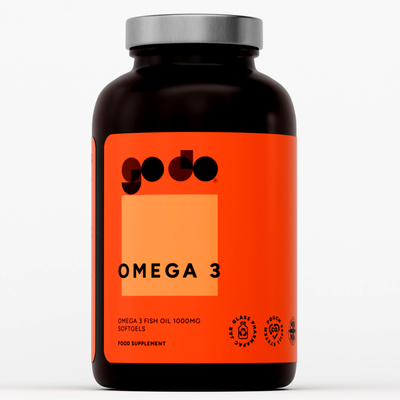
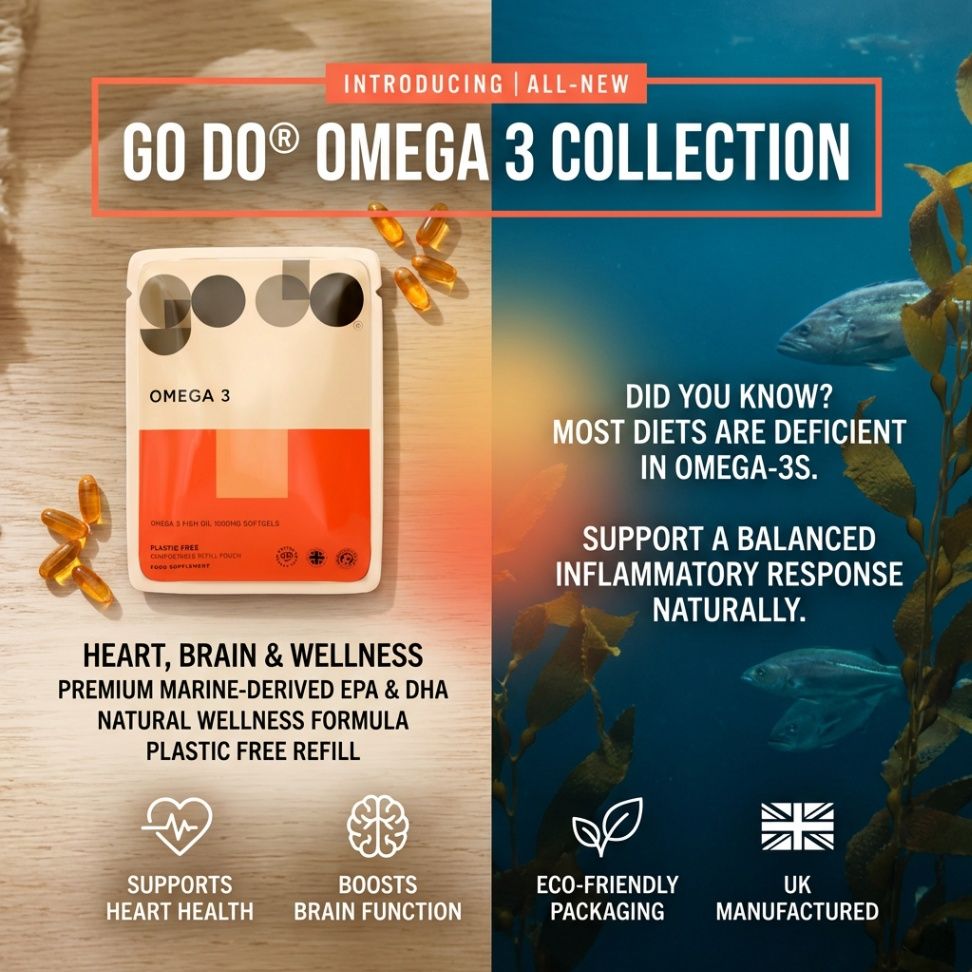
If there’s one supplement that almost every expert agrees on for ADHD, it’s Omega-3 fatty acids. Our brains are actually about 60% fat, and a huge chunk of that is DHA: a type of Omega-3. For those of us with ADHD, Omega-3s help with cell-to-cell communication. When your levels are low, it’s like trying to make a phone call with only one bar of signal; things get dropped, and the connection is fuzzy.
Evidence-Based Benefits:
- Improved Attention: Studies consistently show that EPA and DHA can help reduce inattention and hyperactivity.
- Mood Regulation: Omega-3s are vital for keeping your mood stable, which is a huge win if you struggle with emotional dysregulation.
- Cognitive Speed: It helps the brain process information just a little bit faster, making those "tip of the tongue" moments less frequent.
When shopping in the UK, look for a high-strength fish oil or a vegan algae-based alternative. You want a product that is high in EPA, as that’s the specific fatty acid most linked to focus and mood support. Aiming for around 1,000mg to 2,000mg of combined EPA and DHA is a common starting point for adults.
Magnesium: The Ultimate Chill Pill
Magnesium is often called "nature’s tranquilizer," and for good reason. It’s involved in over 300 biochemical reactions in the body, including the regulation of neurotransmitters that send signals throughout the brain. If you find yourself feeling restless, fidgety, or struggling to wind down at night (the classic "tired but wired" feeling), Magnesium might be your new best friend.

The Different Forms: Not all Magnesium is created equal!
- Magnesium Glycinate: This is the "gold standard" for relaxation. It’s highly absorbable and very gentle on the stomach. It’s perfect for taking before bed to help quiet a racing mind.
- Magnesium Threonate: This is a newer form that is specifically touted for its ability to cross the blood-brain barrier. It’s often used by people looking for a "brain boost" rather than just physical relaxation.
In the UK, many of us are actually deficient in Magnesium because our soil is more depleted than it used to be. Adding a quality magnesium complex to your evening routine can make a massive difference in how you feel the next morning.
L-Theanine: Focus Without the Jitters
Have you ever noticed that the buzz from a cup of tea feels "smoother" than the spike from a coffee? That’s thanks to L-Theanine. This amino acid, found naturally in green tea, is a superstar for focus. It promotes a state of "relaxed alertness": you’re focused, but you aren't biting your nails or feeling anxious.

Evidence-Based Benefits:
- Calms Anxiety: It increases alpha brain waves, which are associated with a state of "wakeful relaxation."
- Counteracts Caffeine: If you use caffeine to help your focus but hate the jitters, L-Theanine can take the edge off.
- Better Sleep: It helps you reach a deeper state of relaxation without acting like a sedative.
I personally love L-Theanine for those days when the "to-do" list is a mile long and the overwhelm is starting to set in. It’s like a gentle hand on your shoulder, reminding you to take things one step at a time. Taking 100mg to 200mg alongside your morning coffee or tea is a great way to start.
The Supporting Cast: Zinc and Vitamin D
While Omega-3 and Magnesium are the stars of the show, they can’t do it all alone. Zinc and Vitamin D are like the reliable stage crew that keeps everything running behind the scenes.

Zinc: Zinc plays a critical role in the regulation of dopamine. Some studies suggest that children and adults with ADHD have lower levels of Zinc than their peers. Supplementing can help with impulsivity and hyperactivity, especially when taken alongside traditional support.
Vitamin D: Living in the UK, we all know the struggle of getting enough sun! Vitamin D is actually a hormone, and it’s essential for brain development and function. Low levels are linked to brain fog and low mood: two things that can make ADHD symptoms feel ten times worse. Most UK health experts recommend a Vitamin D supplement throughout the autumn and winter months at the very least.
Safety First: Warnings and Contraindications
Before you go out and buy every bottle on the shelf, let's talk safety. Supplements are powerful tools, and "natural" doesn't always mean "harmless."
- Consult Your GP: If you are currently taking prescribed ADHD medication (like stimulants), some supplements can interact with them. Always have a chat with your doctor or a pharmacist first.
- Start Slow: Don't introduce five new supplements at once. Start with one (like Omega-3) for a couple of weeks, see how you feel, then add the next. This helps you figure out what's actually working.
- Dosage Matters: More is not always better. For example, too much Zinc can interfere with your copper levels, and excessive Vitamin D can build up in the body over time.
- Quality Over Price: Look for UK-made supplements that follow GMP (Good Manufacturing Practice) standards. You want to know that what's on the label is actually in the pill!
Getting Started with Your Stack
Building an ADHD-friendly stack is all about listening to your body and being consistent. It’s not a magic pill that will make your ADHD disappear, but it can provide the foundation for a clearer, calmer, and more focused life.
I've found that keeping my supplements in a visible place (like next to my kettle) helps me remember to take them: because let’s be honest, "forgetting things" is basically part of the ADHD job description!
Start with the basics: a high-quality Omega-3 and a gentle Magnesium. Once you’ve got those down, you can experiment with the extras like L-Theanine for those high-stress days. Your brain will thank you for the extra support.
Ready to support your focus? Check out our range of premium, UK-made supplements at Fitness Health.
Recommended Reading
If you enjoyed this deep dive into brain health, you might love our other guides:
- Focus & Nootropics: Supplements for a Sharper Mind
- Stress & Sleep: How to Quiet the Noise
- Vitamins & Minerals: The Essentials for Every Day
Meta Description: Discover The ADHD-Friendly Supplement Stack: Omega-3, Magnesium, L-Theanine & More. Learn how natural nutrients can support focus and calm for a clearer mind in the UK.