We’ve all been there. It’s January 1st, or maybe just a particularly motivated Monday morning, and we declare, "This is it. I’m going to lose ten pounds" or "I’m going to hit the gym five days a week." We start with a burst of energy, but by week three, the snooze button looks a lot more inviting than the squat rack. The reason most of us struggle isn't a lack of willpower; it’s that we’re focusing on the outcome rather than the identity. According to experts at Harvard Health, our habits are deeply tied to our brain's reward system, and shifting how we see ourselves is the most effective way to make those habits stick for good.
Table of Contents
- The Goal Trap vs. The Identity Shift
- Every Workout is a Vote for Your New Self
- The 2-Minute Rule for Future Athletes
- Fueling the Identity: Why Recovery Matters
- The Power of Language: "I Don't" vs. "I Can't"
- Benefits of Identity-Based Fitness
- Safety and Considerations
The Goal Trap vs. The Identity Shift
Most fitness journeys start with a goal. "I want a six-pack" or "I want to run a marathon." While goals are great for setting a direction, they are temporary. Once you reach the goal: or worse, if you feel you're too far from it: your motivation evaporates. This is why so many people "yo-yo" with their fitness. They are "trying" to work out, which implies that it’s a chore they are forcing themselves to do.
Identity-based fitness habits are different. Instead of focusing on what you want to achieve, you focus on who you want to become. It’s the difference between saying "I’m trying to get fit" and "I am an active person." When you shift your identity, you aren't just doing a workout; you are acting in alignment with who you are. A "person who trains" doesn't negotiate with the alarm clock every morning because training is simply what they do. It's part of their DNA.
I remember when I first started my own journey. I was the person who hated PE in school and avoided the gym like the plague. I kept telling myself, "I'm just not a gym person." Every time I went, I felt like an imposter. It wasn't until I started saying, "I'm someone who moves my body every day," that things changed. Even if it was just a ten-minute walk, I was proving to myself that my new label was true.
Every Workout is a Vote for Your New Self
James Clear, the author of Atomic Habits, has a beautiful way of looking at this. He says that every action you take is a "vote" for the type of person you wish to become. You don’t need to be perfect to win an election; you just need a majority of the votes. This mindset shift for gym consistency is a total game-changer because it removes the "all or nothing" pressure.

If you have a busy day and can only squeeze in fifteen minutes of movement, that’s still a vote for your fitness identity. You didn't "fail" your hour-long workout; you successfully cast a vote for being a person who doesn't miss. Over time, these small wins accumulate. The more evidence you have of yourself acting like a fit person, the more you will believe you are one. Eventually, you stop needing "motivation" altogether because your behavior is simply a reflection of your identity.
The 2-Minute Rule for Future Athletes
One of the biggest hurdles in how to build a fitness identity is simply getting started. We often overcomplicate things, thinking we need the perfect program or the perfect gear. This is where the "2-Minute Rule" comes in. The idea is to scale down any habit until it takes less than two minutes to do.
Want to become someone who runs? Your 2-minute version is "put on your running shoes and walk out the front door." Want to become someone who lifts weights? Your version is "drive to the gym and do one set of squats." It sounds silly, but it works because it masters the art of showing up. You can’t improve a habit that doesn't exist. Once you’ve mastered the art of being the person who always makes it to the gym, then you can worry about the intensity of the workout.
Fueling the Identity: Why Recovery Matters
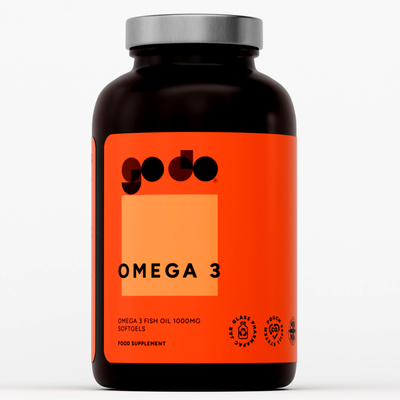
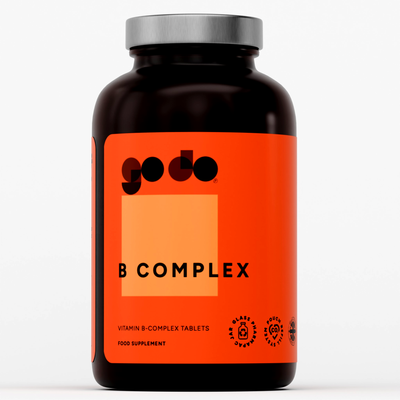
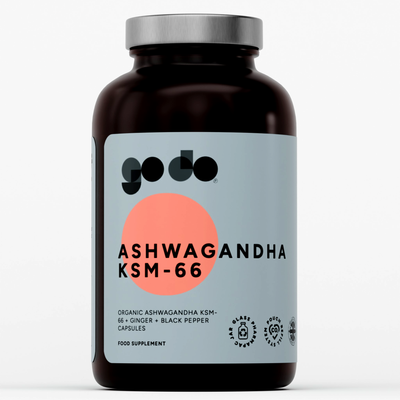
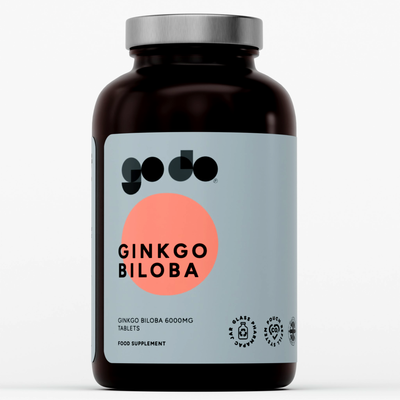
Being "someone who trains" isn't just about the time spent under a barbell. It’s also about how you treat your body when you aren't at the gym. A person who values their fitness also values their recovery and nutrition. They see supplements not as "magic pills," but as professional tools to support their hard work.
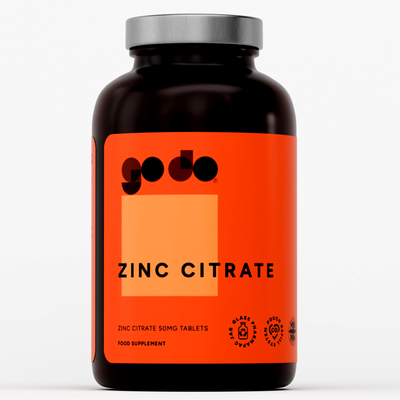
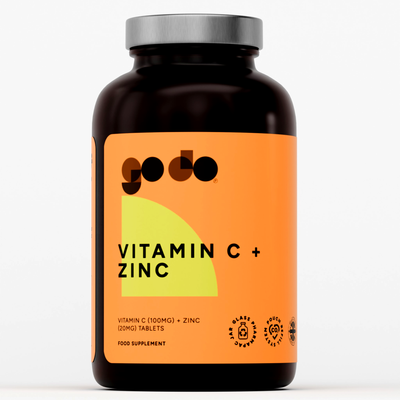
For example, many consistent trainers swear by minerals like magnesium and zinc. If you’re training hard, your body uses up these nutrients faster. Taking a supplement like Magnesium Complex or Zinc Magnesium B6 isn't just about health; it’s a statement. It says, "I care about my recovery because I have a body that performs." It’s an act of self-care that reinforces your identity as a dedicated athlete.

The Power of Language: "I Don't" vs. "I Can't"
The words we use have a profound impact on our internal narrative. When faced with a temptation that goes against our fitness identity: like skipping a workout for a Netflix binge: pay attention to how you talk to yourself.
Research has shown that saying "I don't" is significantly more powerful than saying "I can't." "I can't" sounds like a restriction being imposed on you from the outside, which creates a feeling of deprivation. "I don't," however, is a statement of identity. It’s a choice.
- "I can't miss the gym today" (Stressful, feels like a rule).
- "I don't miss my training sessions" (Empowering, reflects who you are).
By changing your internal script, you reinforce your gym habits for long term success without the mental fatigue of constant decision-making. You stop debating whether you should go to the gym; you just go, because that’s what a person like you does.
Benefits of Identity-Based Fitness
Shifting your focus from outcomes to identity offers a range of evidence-based benefits for both your physical and mental well-being:
- Long-term Consistency: Since the habit is part of who you are, you’re less likely to quit when motivation dips.
- Reduced Decision Fatigue: You don't have to "decide" to be healthy every day; it becomes your default setting.
- Improved Self-Esteem: Every "vote" you cast for your new identity builds trust in yourself.
- Resilience to Setbacks: A missed workout is just a "mistake," not a sign that you aren't a "fitness person."
- Holistic Health: You start making better choices in other areas, like sleep and nutrition, to support your primary identity.
Safety and Considerations
While building a new fitness identity is exciting, it's important to approach it with a balanced perspective:
- Avoid Obsession: Ensure your identity isn't only about fitness. A healthy identity is multi-faceted.
- Listen to Your Body: A "person who trains" also knows when to rest. Don't push through genuine pain or injury just to keep a "streak" alive.
- Supplement Safety: Always check with a healthcare professional before starting new supplements, especially if you have underlying conditions or are taking medication.
- Quality Matters: If you are supplementing your diet, choose high-quality, UK-made options like those from Fitness Health to ensure you're getting what’s on the label.
Becoming "someone who trains" doesn't happen overnight, but it does happen one small decision at a time. By focusing on the "who" instead of the "what," you’re not just changing your body: you’re changing your life.
Join the Fitness Health Community
Ready to cast your first vote? At Fitness Health, we’re here to support your journey with high-quality, affordable supplements that fit your new lifestyle perfectly. From recovery-boosting magnesium to brain-powering Lion's Mane, we've got everything you need to fuel the person you're becoming.

Shop our full range of supplements here!
Recommended
Meta Description: Discover how identity-based fitness habits can transform your consistency. Learn the mindset shift for gym consistency that turns "trying to work out" into being "someone who trains" for long-term success.