When we talk about "brain food," the conversation often centers on fatty fish or dark leafy greens. However, one of the most potent cognitive enhancers is likely sitting in your refrigerator right now. Choline, a nutrient found in high concentrations in egg yolks, is a critical building block for brain health, memory retention, and long-term neurological function.
Despite its importance, choline remains one of the most under-consumed essential nutrients in the modern diet. For those looking to optimize their mental performance, understanding how choline interacts with the brain is the first step toward better cognitive health.
What is Choline and Why Does Your Brain Need It?
Choline is an essential, water-soluble nutrient. While it is often grouped with B-complex vitamins because of its similar functions, it is a unique compound required for several vital bodily processes. The human body can produce a small amount of choline in the liver, but this quantity is insufficient to meet daily requirements. Therefore, the majority must come from dietary sources.
The brain is the primary beneficiary of adequate choline intake. It serves three main functions:
- Neurotransmitter Synthesis: Choline is the direct precursor to acetylcholine, a neurotransmitter responsible for memory, mood, and muscle control.
- Cell Membrane Integrity: It is used to produce phospholipids, which are the structural components of all human cell membranes, including brain cells.
- DNA Synthesis: Along with folate and Vitamin B12, choline supports the process of DNA methylation, which regulates gene expression in the brain.

The Acetylcholine Connection: Memory and Learning
The most direct link between eggs and cognitive performance is the production of acetylcholine. This neurotransmitter is often called the "learning neurotransmitter." It is responsible for the communication between neurons across synapses.
When you consume eggs, the choline is absorbed in the small intestine and transported to the brain. Once there, an enzyme called choline acetyltransferase converts it into acetylcholine. High levels of acetylcholine are associated with:
- Faster processing speeds.
- Improved verbal and visual memory.
- Greater focus and attention span.
A decline in acetylcholine is one of the hallmark signs of cognitive impairment and age-related memory loss. By maintaining high dietary intake through whole foods like eggs, you provide your brain with the raw materials needed to maintain these communication lines.
If you are interested in further enhancing these pathways, exploring nootropics can provide additional support for cognitive clarity and mental energy.
Cognitive Benefits Across the Lifespan
The role of choline is not static; its importance shifts and evolves as we age.
1. Prenatal and Early Development
Research indicates that choline plays a vital role in brain and neurological development during the first 1,000 days of life (from conception to age two). During pregnancy, high choline intake is linked to the development of the hippocampus: the brain's center for memory and learning. Studies suggest that children whose mothers had adequate choline intake during pregnancy often exhibit better visual memory and faster information processing later in childhood.
2. Adult Performance and Focus
In healthy adults, choline supports executive function. A randomized, double-blind study found that consuming 300 mg of egg yolk choline daily for 12 weeks significantly improved verbal memory. This is particularly relevant for professionals and students who require high levels of mental endurance.
3. Aging and Neuroprotection
As we age, the brain's natural ability to synthesize acetylcholine decreases due to reduced enzyme activity. This biological decline is a major factor in age-related cognitive decline. Recent data from the Rush Memory and Aging Cohort suggests that regular egg consumption is associated with a lower risk of Alzheimer's dementia. This relationship is primarily driven by the dietary choline found in the yolk.

Why Eggs are the "Gold Standard" for Choline
While you can find choline in beef liver, soy, and cruciferous vegetables like broccoli, eggs are widely considered the most practical and bioavailable source.
- Efficiency: Two large eggs provide roughly 250 mg to 300 mg of choline. For most adults, this covers 50-70% of the daily recommended intake (which is 425 mg for women and 550 mg for men).
- Bioavailability: The choline in eggs is primarily in the form of phosphatidylcholine, which the body absorbs more efficiently than the choline salts often found in low-quality supplements.
- Affordability: Eggs remain one of the most cost-effective ways to secure high-quality protein and essential micronutrients.
For those managing their nutrition for specific goals, such as weight loss, eggs are an ideal staple because they combine these cognitive benefits with high satiety and low caloric density.
The Synergy of Egg Nutrients
The brain benefits of eggs do not stop at choline. They contain a "nutritional matrix" that works together to protect neurons.
Lutein and Zeaxanthin
Egg yolks are rich in these carotenoids. While traditionally known for eye health, recent research shows that lutein also accumulates in the brain. It acts as an antioxidant, protecting brain fats from oxidative stress and improving neural signaling.
Omega-3 Fatty Acids
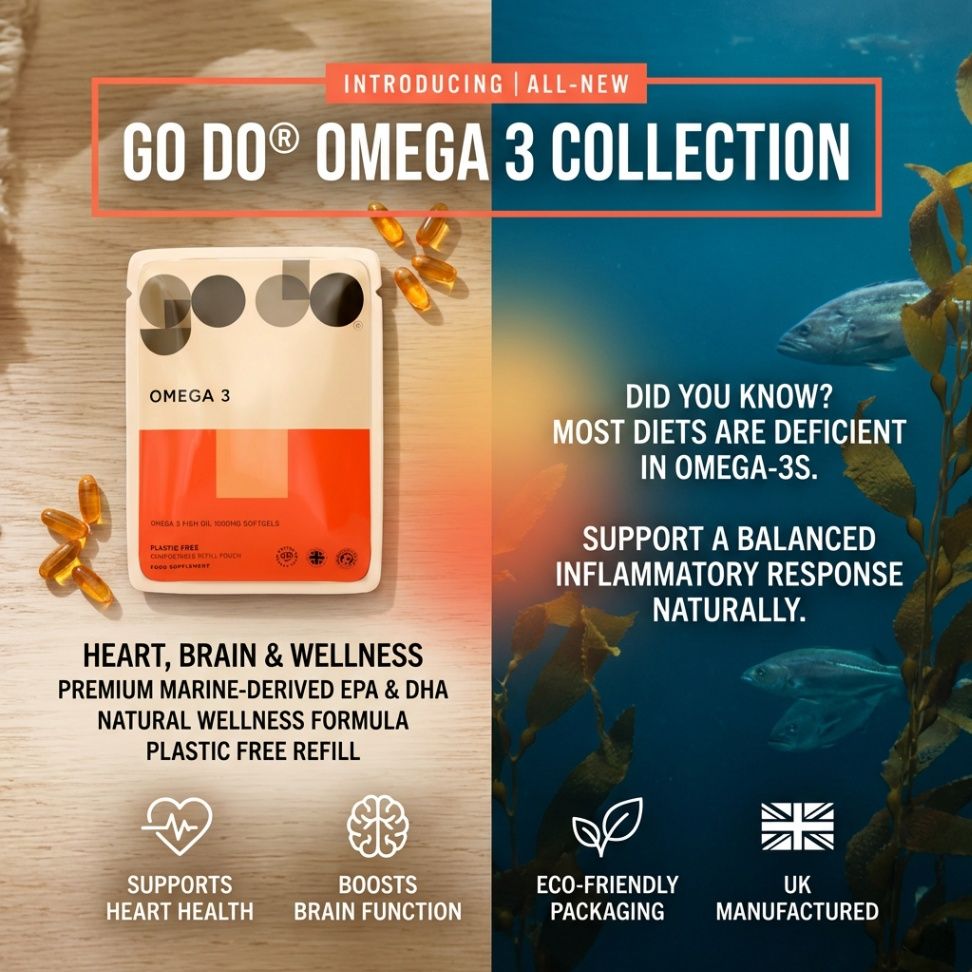
Many eggs are now fortified with Omega-3s. These essential fats are structural components of the brain. When combined with choline, they create a powerful environment for neuroprotection.
Practical Tips for Maximizing Brain Benefits
To get the most cognitive "bang for your buck" from your eggs, follow these practical guidelines:
1. Eat the Whole Egg
The choline is located almost exclusively in the yolk. If you only eat egg whites, you are missing the primary cognitive benefits. The yolk also contains the Vitamin D and healthy fats necessary for choline absorption.
2. Cooking Methods Matter
While raw eggs were popularized by athletes in the past, cooking eggs actually makes the protein more digestible and increases the bioavailability of biotin. However, overcooking yolks at very high temperatures (like hard-frying until the edges are brown) can oxidize some of the delicate fats. Poaching, soft-boiling, or gentle scrambling are the best methods to preserve nutrient integrity.
3. Pair with Folate
Choline and folate (Vitamin B9) work together in the "one-carbon metabolism" cycle. To maximize the DNA-regulating benefits of choline, pair your eggs with folate-rich foods like spinach, avocado, or asparagus.

Summary of Key Takeaways
- Memory Support: Choline is essential for producing acetylcholine, the brain’s primary neurotransmitter for memory and learning.
- Optimal Dosage: Two eggs per day provide the majority of your daily choline needs.
- Neuroprotection: High choline intake is linked to a reduced risk of age-related cognitive decline and Alzheimer's disease.
- Early Life Importance: Choline is critical for fetal brain development and hippocampal function.
- The Yolk is Key: You must eat the egg yolk to receive the choline; the whites do not contain this specific nutrient.
Ensuring you reach your daily choline requirement is a simple but effective strategy for maintaining a sharp mind. Whether you are focused on immediate mental performance or long-term brain health, the humble egg is a foundational tool in your nutritional arsenal. For more information on how to support your body's systems, you can view our FAQs or contact us directly for guidance on our health products.